Elektrine
Log in Register
Paige Chat Timeline Gallery Friends Email Drive DNS Private DNS Domains VPN Kairo Nerve
Remote

Psychology News Robot

@psychbot@mastodon.clinicians-exchange.org
mastodon 4.4.2
  • Open on mastodon.clinicians-exchange.org

I am a robot who usually moves psychology-related RSS news feeds to Toot posts. I am not officially affiliated with them. When driven by a human I may occasionally post other information related to #mental health. (I am owned by @admin@mastodon.clinicians-exchange.org )

DAILY EMAIL DIGEST: Email psybot-mastodon-digest-subscribe@clinicians-exchange.org -- no subject or message needed.

312 Followers
81 Following
31 Posts
Joined July 29, 2023
Open post
Psychology News Robot @psychbot@mastodon.clinicians-exchange.org
· 3mo ago

DATE: July 11, 2026 at 02:00PM SOURCE: PSYPOST.ORG

** Research quality varies widely from fantastic to small exploratory studies. Please check research methods when conclusions are very important to you. **

TITLE: Cannabis use in older adults not linked to faster cognitive decline or dementia

URL: https://www.psypost.org/cannabis-use-in-older-adults-not-linked-to-faster-cognitive-decline-or-dementia/

Older adults who have used cannabis do not appear to experience faster cognitive decline or a higher risk of dementia, according to a study published in BMJ Mental Health. The research also found no genetic evidence that cannabis use directly causes poorer brain health later in life.

As cannabis becomes increasingly available for both medical and recreational use, its popularity has grown among older adults. This has raised concerns about whether cannabis might accelerate memory loss or increase the likelihood of developing dementia. Previous research has produced conflicting results, with some studies suggesting long-term cognitive impairment while others found little evidence of lasting harm. Many of those studies, however, were relatively small or unable to determine whether cannabis itself was responsible for the observed effects.

To better answer this question, researchers led by Saba Ishrat from the University of Oxford analyzed data from two large health databases. The UK Biobank analysis included up to 18,975 people who had used cannabis and 60,598 non-users, with cannabis users averaging about 58 years of age and non-users about 62 years.

The team also examined electronic health records from the Million Veteran Program, including 12,222 people with cannabis use disorder and more than 210,000 comparison participants, to investigate dementia diagnoses. Cognitive tests assessed included working memory, reasoning, processing speed, executive function, and visual memory. Finally, the researchers performed Mendelian randomization analyses using genetic data to test whether cannabis use itself is likely to cause cognitive decline or dementia.

The results were reassuring overall. At the beginning of the study, people who had used cannabis actually performed slightly better on tests of numeric memory, reasoning, and problem-solving ability, compared to non-users. However, these differences were small and did not translate into better long-term outcomes. The researchers hypothesize that the better test performance of cannabis users may be confounded by educational background and socioeconomic status, as cannabis users in the UK Biobank dataset tended to have higher levels of both.

Over time, cannabis users did not experience faster declines in thinking abilities, and people with cannabis use disorder were not significantly more likely to develop dementia than those without the disorder.

The genetic analyses strengthened these findings. Because genetic variants are assigned before birth and are less affected by lifestyle or environmental factors, Mendelian randomization can provide stronger evidence about cause and effect than observational studies alone. The analyses found no evidence that cannabis use causes cognitive decline or dementia, nor that poorer cognitive function increases the likelihood of cannabis use.

Results remained broadly consistent after examining males versus females, different frequencies of cannabis use, different age groups, and different ethnicities.

“Clinicians can consider that occasional or prior cannabis use may not be a major contributor to cognitive aging in this population,” Ishrat and colleagues concluded. “However, these results do not establish the safety of cannabis, particularly at higher doses or with prolonged use, and should not be taken as an endorsement of use.”

Some limitations are to be noted. For instance, the researchers relied on self-reported data for cannabis use in the UK Biobank dataset, which introduces the risk of recall and reporting bias. The study could not determine whether different cannabis products, cannabidiol (CBD) and tetrahydrocannabinol (THC) concentrations, doses, and methods of use might have different effects.

The study, “Cannabis use, cognitive function and dementia risk in older adults: observational and genetic analyses,” was authored by Saba Ishrat, Daniel F. Levey, Joel Gelernter, Klaus P. Ebmeier, and Anya Topiwala.

URL: https://www.psypost.org/cannabis-use-in-older-adults-not-linked-to-faster-cognitive-decline-or-dementia/


Private, vetted email list for mental health professionals: https://www.clinicians-exchange.org

Unofficial Psychology Today Xitter to toot feed at Psych Today Unofficial Bot @PTUnofficialBot@mastodon.clinicians-exchange.org


#psychology #counseling #socialwork #psychotherapy @psychotherapist@a.gup.pe @psychotherapists@a.gup.pe @psychology@a.gup.pe @socialpsych@a.gup.pe @socialwork@a.gup.pe @psychiatry@a.gup.pe #mentalhealth #psychiatry #healthcare #depression #psychotherapist #CannabisAndCognition #OlderAdultsHealth #DementiaRisk #CognitiveAging #UKBiobank #MendelianRandomization #CannabisUseDisorder #BrainHealth #ElderlyWellbeing #BMJMentalHealth

Cannabis use in older adults not linked to faster cognitive decline or dementia
PsyPost - Psychology News

Cannabis use in older adults not linked to faster cognitive decline or dementia

As cannabis use grows among older adults, so do concerns about memory loss. However, a new study found that prior or occasional cannabis use is not associated with faster cognitive decline or a higher risk of dementia.

1
0
1
0
Open post
Psychology News Robot @psychbot@mastodon.clinicians-exchange.org
· 4mo ago

DATE: June 10, 2026 at 01:17AM
SOURCE: SCIENCE DAILY MIND-BRAIN FEED

TITLE: Popular joint supplement glucosamine linked to faster Alzheimer’s progression

URL: https://www.sciencedaily.com/releases/2026/06/260610003044.htm

A major study suggests glucosamine, a popular supplement for joint pain, could be linked to faster progression from mild cognitive impairment to Alzheimer’s disease. Researchers found a 25% higher likelihood of developing dementia among glucosamine users and uncovered biological clues that may explain why.

URL: https://www.sciencedaily.com/releases/2026/06/260610003044.htm

-------------------------------------------------

Private, vetted email list for mental health professionals: https://www.clinicians-exchange.org

Unofficial Psychology Today Xitter to toot feed at Psych Today Unofficial Bot @PTUnofficialBot@mastodon.clinicians-exchange.org

-------------------------------------------------

#psychology #counseling #socialwork #psychotherapy @psychotherapist@a.gup.pe @psychotherapists@a.gup.pe @psychology@a.gup.pe @socialpsych@a.gup.pe @socialwork@a.gup.pe @psychiatry@a.gup.pe #mentalhealth #psychiatry #healthcare #depression #psychotherapist #Glucosamine #JointSupplement #AlzheimersDisease #DementiaRisk #CognitiveHealth #MildCognitiveImpairment #BrainHealth #Neurodegeneration #SeniorHealth #MedicalResearch

Popular joint supplement glucosamine linked to faster Alzheimer’s progression
ScienceDaily

Popular joint supplement glucosamine linked to faster Alzheimer’s progression

A major study suggests glucosamine, a popular supplement for joint pain, could be linked to faster progression from mild cognitive impairment to Alzheimer’s disease. Researchers found a 25% higher likelihood of developing dementia among glucosamine users and uncovered biological clues that may explain why.

1
0
3
0
Open post
Psychology News Robot @psychbot@mastodon.clinicians-exchange.org
· 4mo ago

DATE: June 9, 2026 at 08:00PM
SOURCE: PSYPOST.ORG

** Research quality varies widely from fantastic to small exploratory studies. Please check research methods when conclusions are very important to you. **
-------------------------------------------------

TITLE: Neuroscientists use light to restore lost memories in a mouse model of Alzheimer’s disease

URL: https://www.psypost.org/reconnecting-the-brain-s-memory-circuits-restores-olfactory-memory-in-mice/

Individuals in the early stages of Alzheimer’s disease often experience a declining ability to recognize and remember smells. A recent study published in Molecular Psychiatry suggests this sensory loss stems from communication breakdowns between memory-storing cells in two specific brain regions. By using light to stimulate these neural pathways in mice, researchers were able to temporarily restore olfactory memory function.

Diagnosing Alzheimer’s disease before broad cognitive decline occurs remains a constant challenge in neurology. Neurodegeneration often begins years before conventional memory loss becomes obvious. Changes to a person’s sense of smell can be a strong predictor of future cognitive decline. Research teams are trying to map exactly how early neurodegeneration disrupts the brain networks responsible for processing odors.

The study was led by researchers Yan Yan at Shenzhen MSU-BIT University and Zhifang Dong at Chongqing Medical University. They wanted to understand the structural connectivity between the piriform cortex, which processes odors, and the infralimbic cortex, a prefrontal region involved in storing and retrieving memories. Together, these two regions form a network that ties specific smells to past experiences.

Memories are thought to be stored in physical networks of neurons known as engrams. When a brain learns something new, a specific group of engram cells activate simultaneously. Retrieving that memory later requires the same engram cells to reactivate in the correct sequence. The researchers suspected that the connection between the piriform engram cells and the infralimbic engram cells was faltering in the early stages of cognitive decline.

To investigate structural changes in living humans, the research team analyzed functional magnetic resonance imaging scans from a public database. They compared brain scans from 183 individuals with mild cognitive impairment against scans from 182 healthy adults. The imaging data showed that connectivity between the piriform cortex and the infralimbic cortex was markedly reduced in the patients with mild cognitive impairment.

Seeking to understand the cellular mechanics behind this weakened connection, the team turned to a genetically modified mouse model of Alzheimer’s disease. These mice are engineered to accumulate amyloid plaques, a hallmark of the neurodegenerative condition. The researchers trained the mice to associate the scent of limonene with a mild foot shock, creating a fearful olfactory memory.

A day after the training, the researchers placed the mice in a new environment and exposed them to the scent without the shock. Age-matched normal mice immediately froze in place, anticipating the negative event. Mice engineered with the Alzheimer’s mutations displayed a normal fear response at three months of age, but they failed to freeze when tested at four months of age.

This behavioral change suggested that the four-month-old Alzheimer’s mice could encode the memory of the smell but struggled to retrieve it the next day. The researchers then used genetic tools to place fluorescent tags on the specific engram cells that fired during the initial smell training. By monitoring these fluorescent tags during the memory recall test, the team could watch individual neurons in real time.

The imaging revealed that the tagged engram cells in both the piriform cortex and the infralimbic cortex were much less active in the Alzheimer’s mice compared to the normal mice. To test whether this lack of activity was responsible for the memory failure, the team employed optogenetics. This technique involves modifying target neurons so they can be turned on or off with precisely timed flashes of light delivered through a tiny implanted fiber.

In the healthy mice, using light to suppress activity in the targeted engram cells prevented the mice from remembering the odor association. In the Alzheimer’s mice, the researchers tried the opposite approach. They delivered high-frequency pulses of light to the nerve fibers connecting the target cells in the piriform cortex to the infralimbic cortex, effectively forcing the cells to fire.

This targeted light stimulation caused the Alzheimer’s mice to freeze when exposed to the odor. The result indicated that the mice successfully recalled the memory when the brain circuit was artificially stimulated. Triggering the piriform cortex cells alone proved sufficient to activate the connected engram cells in the infralimbic cortex.

To find out why the natural memory signal was failing to bridge the gap between the two brain regions, the scientists analyzed the genetic activity of the individual engram cells. They identified abnormalities in how the cells processed glutamate. Glutamate is the primary excitatory neurotransmitter in the brain, responsible for sending activating signals from one neuron to the next across tiny gaps called synapses.

When a healthy brain forms a new memory, it undergoes long-term potentiation, a process that physically strengthens the synapses within the engram network. This strengthening normally depends on an influx of biological structures known as AMPA receptors. These specialized proteins sit on the receiving end of a synapse and catch the incoming glutamate molecules.

The researchers found that in healthy mice, the learning process successfully increased the number of functional AMPA receptors in the infralimbic cortex. In the Alzheimer’s mice, this routine strengthening mechanism did not occur. As a result, the chemical signal sent by the piriform cortex was too weak to properly activate the memory storage cells in the infralimbic cortex.

The high-frequency optical stimulation compensated for this chemical weakness. By manually forcing the presynaptic neurons to fire rapidly, the researchers artificially induced sudden synaptic strengthening. This influx of activity temporarily repaired the communication breakdown and allowed the memory signal to travel successfully across the brain circuit.

Animal models of Alzheimer’s disease primarily mimic isolated pathological features of the condition, meaning the timeline of memory loss in mice does not perfectly reflect the human experience. The optical stimulation techniques used in the laboratory require highly invasive surgical and genetic modifications. Such methods are fundamentally experimental and cannot be used as medical treatments for human patients.

Future research might explore noninvasive methods of neuromodulation capable of stimulating targeted memory circuits. Mapping the functional connectivity between these specific olfactory regions via brain scans could act as a supplementary diagnostic tool. Tracking early communication breakdowns in the olfactory system might eventually help clinicians detect neurodegenerative diseases long before severe cognitive symptoms appear.

The study, “The dynamic impairment of synaptic transmission in the PCx-IL engram circuit contributes to early olfactory memory decline in Alzheimer’s disease,” was authored by Yan Yan, Da Song, Guangfei Li, Junjie Li, Yuanhong Tang, Danyang Li, Jian Mao, Hui Li, Xiaoyun Liu, Ding Yu, Fangfang Ma, Yayan Pang, Yue Jin, Yujun Deng, Yunjie Qiu, Zhenzhen Quan, Junjun Ni, Yong Cheng, Zhe Wang, Zhifang Dong, and Qing Hong.

URL: https://www.psypost.org/reconnecting-the-brain-s-memory-circuits-restores-olfactory-memory-in-mice/

-------------------------------------------------

Private, vetted email list for mental health professionals: https://www.clinicians-exchange.org

Unofficial Psychology Today Xitter to toot feed at Psych Today Unofficial Bot @PTUnofficialBot@mastodon.clinicians-exchange.org

-------------------------------------------------

#psychology #counseling #socialwork #psychotherapy @psychotherapist@a.gup.pe @psychotherapists@a.gup.pe @psychology@a.gup.pe @socialpsych@a.gup.pe @socialwork@a.gup.pe @psychiatry@a.gup.pe #mentalhealth #psychiatry #healthcare #depression #psychotherapist #AlzheimersMemoryRestoration #OlfactoryMemory #EngramCells #PiriformCortex #InfralimbicCortex #Optogenetics #NeuroscienceBreakthrough #AMPAReceptors #SynapticPlasticity #EarlyDetectionAlzheimers

Neuroscientists use light to restore lost memories in a mouse model of Alzheimer's disease
PsyPost - Psychology News

Neuroscientists use light to restore lost memories in a mouse model of Alzheimer's disease

Many patients with Alzheimer’s disease lose their sense of smell before experiencing memory loss. New research reveals how poor communication between specific brain regions causes this sensory decline, offering insights that could lead to earlier diagnostic tests.

1
0
0
0
Open post
Psychology News Robot @psychbot@mastodon.clinicians-exchange.org
· 4mo ago

DATE: June 9, 2026 at 06:00PM
SOURCE: PSYPOST.ORG

** Research quality varies widely from fantastic to small exploratory studies. Please check research methods when conclusions are very important to you. **
-------------------------------------------------

TITLE: Antidepressants may offer an unexpected protective effect against fatal MDMA toxicity

URL: https://www.psypost.org/antidepressants-may-offer-an-unexpected-protective-effect-against-fatal-mdma-tox/

Taking antidepressant medication at the same time as MDMA is associated with a lower rate of fatal outcomes compared to other drug-related deaths. These findings provide baseline safety data for future psychiatric protocols as researchers continue to test MDMA as a potential therapy for trauma. The research was published in the Journal of Psychopharmacology.

MDMA is a synthetic substance commonly known by the street name ecstasy. It produces robust psychological changes, including increased feelings of empathy, boosted sociability, and reduced fear. Medical researchers are investigating the substance as a potential treatment for post-traumatic stress disorder, or PTSD. Many people with PTSD do not respond to existing treatments, making the search for new therapies an urgent priority.

In a clinical setting, MDMA is used to help patients reprocess traumatic memories without the overwhelming terror normally associated with those events. The United States Food and Drug Administration recently reviewed an application for MDMA-based therapy. The agency rejected the application in August 2024. Regulators requested an additional late-stage clinical trial to address open questions about how the prior studies were conducted.

This regulatory pause gives researchers an opportunity to answer outstanding safety questions regarding the drug. A major question involves how MDMA interacts with standard psychiatric medications. Currently, the primary pharmacological treatments for PTSD are antidepressants. Since more than half of PTSD patients also experience concurrent depression, antidepressant use is widespread in this population.

Kirsten L. Rock, a researcher at King’s College London, and her colleagues wanted to understand what happens when people mix these prescription medications with MDMA. Because clinical trials have tightly controlled rules about combining drugs, real-world data offers a wider view of potential risks. The research team utilized a database called the National Programme on Substance Use Mortality. This registry tracks drug-related deaths reported by coroners in the United Kingdom.

The researchers designed a retrospective case-control study. In this type of research, scientists compare people who experienced a specific event to a matched group of people who did not. The team identified 1,328 deaths between 1997 and 2023 where MDMA was detected in the body during toxicological testing.

To make a fair comparison, they matched each of these MDMA-related deaths with four other drug-related deaths where MDMA was absent. They paired the cases based on age and biological sex to ensure the two groups were similar. In total, the control group included 5,312 individuals.

The team ran two separate analyses to understand both active co-use and long-term medication habits. First, they looked at post-mortem toxicology reports to see which drugs were actively in the patients’ systems at the time of death. Second, they reviewed medical records to see which patients had active prescriptions for antidepressants in the year prior to their death.

Using multiple drugs at once, known as polysubstance use, is incredibly common and represents a major risk factor for adverse events. To ensure their estimates were accurate, the researchers adjusted their statistical models to account for the presence of other substances, such as alcohol, opioids, and other stimulants. They also accounted for whether a death was classified as intentional or unintentional on the death certificate.

After making these adjustments, a distinct pattern emerged regarding active antidepressant use. People who died from MDMA-related events were 40 percent less likely to have antidepressants in their system compared to people who died from other drug-related causes. The researchers observed the strongest effects with specific classes of drugs, like selective serotonin reuptake inhibitors, or SSRIs, and tricyclic antidepressants. Both of these drug classes influence how the brain handles serotonin, a chemical messenger involved in mood regulation.

MDMA produces its euphoric and empathic effects by flooding the brain with serotonin. It accomplishes this by binding to a specific protein called a serotonin transporter, which acts like a gateway into the nerve cells. Once inside, MDMA disrupts normal cellular processes and forces the neurons to release their stored serotonin reserves.

Antidepressants like SSRIs operate by blocking these exact same cellular gateways. When prescription drugs block the transporters, MDMA cannot enter the nerve cells as easily. This biological blockade might prevent the massive release of serotonin that typically causes the desired high.

Preventing that serotonin release might also prevent the dangerous physical side effects of MDMA. The drug can cause severe physical reactions, including rapid heart rate, elevated blood pressure, and dangerous spikes in body temperature. If an antidepressant prevents MDMA from binding to nerve cells, it may also prevent these life-threatening physiological responses.

In the past, users of recreational substances have independently noticed this blunting effect. Some individuals intentionally take SSRIs after using MDMA to soften the negative mood drop that often follows a period of drug use. Other people stop taking their prescribed antidepressants right before using MDMA to ensure the prescription does not diminish their euphoric experience.

This behavioral pattern was reflected in the researchers’ second analysis. When the team looked only at individuals who were prescribed antidepressants, regardless of what was found in their system at death, the results were not statistically significant. This suggests that simply having an ongoing prescription does not alter the risk of an MDMA fatality if the medication is not actively circulating in the blood.

A person who temporarily stops taking their medication to feel the full effects of MDMA loses any potential protective benefit. At the same time, the researchers noticed that MDMA users often consume other stimulant drugs, such as cocaine or amphetamines. Taking multiple stimulants together massively elevates serotonin levels and increases the risk of a life-threatening condition called serotonin toxicity.

The study found that co-use of other stimulants was nearly twice as common in MDMA deaths as in other drug deaths. If a person combines MDMA with a secondary stimulant, any protective effect offered by an antidepressant may be entirely overwhelmed. Combining these substances creates an unpredictable and highly dangerous physiological environment.

Observational studies using coronial data come with inherent limitations. Because the data relies entirely on after-the-fact reports from medical examiners, the researchers cannot establish direct cause and effect. A case-control study can identify patterns and associations in large populations, but it cannot prove that taking an antidepressant directly prevents MDMA-induced death.

Additionally, some of the less common antidepressants did not appear frequently enough in the registry for the scientists to draw firm conclusions about their specific effects. The findings heavily reflect the most popular medications prescribed in the United Kingdom. The database also only captures fatal events, meaning it provides no information about people who mixed these drugs and survived without medical intervention.

The research offers a strong foundation for future exploration. When researchers design new clinical trials for MDMA-assisted therapy, they will need to consider how a participant’s current or prior antidepressant use might alter the treatment experience. If antidepressants actively block the effects of MDMA, doctors will need specific protocols to manage patients transitioning between these therapies safely.

For the general public, these insights provide new context about drug interactions. While scientists continue to untangle the exact biological mechanisms, the data points toward a biological competition between daily mood stabilizers and potent psychoactive substances. Understanding this competition will shape both future clinical guidelines and harm reduction strategies in the years ahead.

The study, “The impact of antidepressant use on MDMA fatalities: A matched case-control study using a post-mortem database,” was authored by Kirsten L. Rock, Paul Rees, David Morgan, and Caroline S. Copeland.

URL: https://www.psypost.org/antidepressants-may-offer-an-unexpected-protective-effect-against-fatal-mdma-tox/

-------------------------------------------------

Private, vetted email list for mental health professionals: https://www.clinicians-exchange.org

Unofficial Psychology Today Xitter to toot feed at Psych Today Unofficial Bot @PTUnofficialBot@mastodon.clinicians-exchange.org

-------------------------------------------------

#psychology #counseling #socialwork #psychotherapy @psychotherapist@a.gup.pe @psychotherapists@a.gup.pe @psychology@a.gup.pe @socialpsych@a.gup.pe @socialwork@a.gup.pe @psychiatry@a.gup.pe #mentalhealth #psychiatry #healthcare #depression #psychotherapist #MDMA #Antidepressants #PTSDtherapy #EcstasySafety #SSRIs #Serotonin #Psychopharmacology #DrugInteractions #HarmReduction #ClinicalTrials

Antidepressants may offer an unexpected protective effect against fatal MDMA toxicity
PsyPost - Psychology News

Antidepressants may offer an unexpected protective effect against fatal MDMA toxicity

A new study of drug-related fatalities suggests that having antidepressants actively circulating in the body is associated with a lower risk of death from MDMA, raising new questions for psychiatric researchers developing trauma therapies.

1
0
0
0
Open post
Psychology News Robot @psychbot@mastodon.clinicians-exchange.org
· 4mo ago

DATE: June 9, 2026 at 10:00AM
SOURCE: PSYPOST.ORG

** Research quality varies widely from fantastic to small exploratory studies. Please check research methods when conclusions are very important to you. **
-------------------------------------------------

TITLE: How your attachment style is linked to the way you experience being alone

URL: https://www.psypost.org/how-your-attachment-style-is-linked-to-the-way-you-experience-being-alone/

An online survey of Australian adults found that individuals with less secure adult attachment orientations tend to report higher loneliness. They also found that one specific type of motivation for solitude mediates the association between insecure attachment and loneliness. The paper was published in the Journal of Social and Personal Relationships.

Loneliness is the distressing feeling that arises when a person believes their social relationships are fewer, weaker, or less satisfying than they would like them to be. It is not the same as being physically alone, because someone can enjoy solitude without feeling lonely. A person can also feel lonely while surrounded by other people if they lack a sense of closeness, understanding, or belonging.

Loneliness may be temporary, such as after moving to a new city, ending a relationship, or losing contact with friends. It can also become chronic when the feeling persists for a long time and begins to affect daily life. Loneliness can involve emotional loneliness, when someone lacks a close attachment figure, or social loneliness, when they feel disconnected from a wider group or community. It may contribute to sadness, anxiety, low self-esteem, sleep problems, and reduced motivation. Persistent loneliness is also associated with poorer physical health, partly because it can increase stress and reduce healthy behaviors.

Study author Samantha O’Brien and her colleagues examined how individuals’ anxious and avoidant attachment orientations are associated with their motivation for solitude, which, in turn, predicts loneliness. Motivation for solitude refers to reasons why a person chooses or ends up spending time alone. It can be self-determined or non-self-determined.

Self-determined motivation for solitude refers to choosing to spend time alone because it is personally enjoyable, meaningful, calming, or useful for reflection and creativity. Non-self-determined motivation for solitude refers to being alone because of external pressure, being rejected by others, anxiety, avoidance, or a feeling that one has no real choice.

Study participants were 548 Australian adults recruited from the general community via social media and a student subject pool. Before the final analysis, 72 of them were excluded for failing attention checks. Of the remaining participants, 352 were university students. Seventy-three percent of the participants were women, and 59% were under 30 years of age.

Participants completed an online survey that included assessments of adult attachment orientations (the Experiences in Close Relationships Scale – Short Form) and motivation for solitude (the Motivation for Solitude Scale – Short Form). One week later, they completed a follow-up survey measuring loneliness (the UCLA 3-item Loneliness Scale).

Attachment orientations are a person’s typical patterns of feeling and behaving in close relationships. Individuals with pronounced attachment anxiety tend to fear rejection and abandonment a lot, while pronounced attachment avoidance involves feeling discomfort with closeness, dependence, or emotional intimacy. Pronounced attachment avoidance or anxiety are collectively referred to as insecure attachment, while secure attachment means scoring low on both attachment avoidance and attachment anxiety scales.

Results showed that individuals with less secure attachment orientations (i.e., with pronounced attachment anxiety or avoidance) tended to report higher motivation for non-self-determined solitude. They also tended to report higher loneliness. Interestingly, motivation for self-determined solitude was not directly associated with either loneliness or attachment orientations in the initial, simple correlations. It was, however, weakly associated with motivation for non-self-determined solitude.

The study authors tested a statistical model that proposed that the two attachment orientations affect both motivations for solitude, which, in turn, affect loneliness. The analysis showed that it is highly probable that both attachment orientations increase motivation for non-self-determined solitude, which, in turn, increases loneliness. In other words, non-self-determined solitude acts as a mediator explaining why insecurely attached people feel so lonely.

On the other hand, the statistical model showed that avoidant orientation increases motivation for self-determined solitude, which in turn, decreases loneliness. However, this link was comparatively weak and fell just short of being statistically significant. Self-determined solitude did not mediate the relationship between anxious attachment and loneliness either. There were also direct links between attachment orientation and loneliness, not achieved through these two motivations for solitude.

“These findings highlight that higher motivation for non-self-determined solitude may be a key mechanism linking anxious and avoidant attachment orientations with loneliness. Additionally, self-determined solitude seems to play a key role in reducing loneliness,” the study authors concluded.

The study contributes to the scientific understanding of links between attachment orientations and loneliness. However, it should be noted that the study design does not allow any definitive causal inferences to be derived from the results. Additionally, the link between self-determined solitude and either loneliness or attachment orientations is absent when these factors are examined individually via zero-order correlations, only emerging as significant when modeled together.

The paper, “Attachment orientations predicting loneliness: The role of self-determined and non-self-determined solitude,” was authored by Samantha G. O’Brien, Daniel J. Brown, Ashleigh B. Bryant, Hugh A. Hampton, Daniel J. Phipps, and Jacob J. Keech.

URL: https://www.psypost.org/how-your-attachment-style-is-linked-to-the-way-you-experience-being-alone/

-------------------------------------------------

Private, vetted email list for mental health professionals: https://www.clinicians-exchange.org

Unofficial Psychology Today Xitter to toot feed at Psych Today Unofficial Bot @PTUnofficialBot@mastodon.clinicians-exchange.org

-------------------------------------------------

#psychology #counseling #socialwork #psychotherapy @psychotherapist@a.gup.pe @psychotherapists@a.gup.pe @psychology@a.gup.pe @socialpsych@a.gup.pe @socialwork@a.gup.pe @psychiatry@a.gup.pe #mentalhealth #psychiatry #healthcare #depression #psychotherapist #AttachmentTheory #LonelinessResearch #SolitudeMotivation #SelfDeterminedSolitude #NonSelfDeterminedSolitude #AnxiousAttachment #AvoidantAttachment #LonelinessCorrelation #PsychologyStudy #JournalOfSocialAndPersonalRelationships

How your attachment style is linked to the way you experience being alone
PsyPost - Psychology News

How your attachment style is linked to the way you experience being alone

Do you enjoy your alone time, or do you feel forced into it? A recent study found that people with anxious and avoidant attachment styles frequently experience "non-self-determined solitude," a state strongly associated with intense loneliness.

1
0
0
0
Open post
Psychology News Robot @psychbot@mastodon.clinicians-exchange.org
· 4mo ago

DATE: June 9, 2026 at 09:00AM
SOURCE: PSYCHIATRIC TIMES

Direct article link at end of text block below.

Social media disorder remains noticeably absent from psychiatric diagnostic frameworks. However, 83% of readers believe social media is addictive. What's the verdict?

Read our June cover story here: https://t.co/Uhxz1IiC7J https://t.co/nTvSr1MXgi

Here are any URLs found in the article text:

https://t.co/Uhxz1IiC7J

https://t.co/nTvSr1MXgi

Articles can be found by scrolling down the page at Articles can be found at https://www.psychiatrictimes.com/news".

-------------------------------------------------

Private, vetted email list for mental health professionals: https://www.clinicians-exchange.org

-------------------------------------------------

#psychology #counseling #socialwork #psychotherapy @psychotherapist@a.gup.pe @psychotherapists@a.gup.pe @psychology@a.gup.pe @socialpsych@a.gup.pe @socialwork@a.gup.pe @psychiatry@a.gup.pe #mentalhealth #psychiatry #healthcare #psychotherapist #SocialMediaAddiction #MentalHealthAwareness #DigitalWellbeing #PsychiatryDisruption #JuneCoverStory

“Engineered Addiction”: Redefining Addictive Disorders and the Psychiatric Impact of Social Media | Psychiatric Times
t.co

“Engineered Addiction”: Redefining Addictive Disorders and the Psychiatric Impact of Social Media | Psychiatric Times

Lawsuits, research, and clinicians clash over youth screen addiction—learn more about how problematic social platform use evades diagnosis and how we can curb harm.

1
0
0
0
Open post
Psychology News Robot @psychbot@mastodon.clinicians-exchange.org
· 5mo ago

DATE: May 8, 2026 at 06:00PM
SOURCE: PSYPOST.ORG

** Research quality varies widely from fantastic to small exploratory studies. Please check research methods when conclusions are very important to you. **
-------------------------------------------------

TITLE: New brain scan index detects hidden Alzheimer’s patterns before memory loss begins

URL: https://www.psypost.org/new-brain-scan-index-detects-hidden-alzheimer-s-patterns-before-memory-loss-begi/

Researchers have created a new mathematical method for analyzing standard brain scans to predict the onset of Alzheimer’s disease long before symptoms appear. By rating how closely an individual’s brain matches the structural patterns typical of the disease, this new tool can track the hidden impacts of genetic and cardiovascular risks in healthy adults. The research was published in the journal Molecular Psychiatry.

Alzheimer’s disease is the leading cause of cognitive decline in older adults. The gradual changes that lead to the condition begin in the brain decades before the first signs of memory loss or confusion. This long preclinical period provides a window of opportunity for medical interventions aimed at delaying or preventing the disease.

Existing methods for detecting these early changes often rely on specialized and expensive techniques. Doctors look for specific proteins using radioactive tracers in positron emission tomography scans, or they test spinal fluid and blood. While these methods are highly accurate, they can be invasive and are not always practical for screening the broader public.

Standard magnetic resonance imaging offers a noninvasive and widely available brain scanning alternative. However, typical visual signs of the disease on these common scans, such as the shrinking of specific brain folds or the widening of fluid cavities, are not very sensitive. These visible changes usually show up only after memory problems have already started.

A team of scientists led by Peter Kochunov and L. Elliot Hong at the University of Texas Health Science Center at Houston sought an earlier warning sign. They developed a software measurement called the Regional Vulnerability Index. This analytical tool evaluates the entire brain structure all at once.

To create the index, the researchers first established a universal blueprint of how the disease physically alters the brain over time. They analyzed brain scans from people diagnosed with the disease who had a confirmed buildup of toxic proteins. They compared these scans to those of healthy adults to map out the typical regional deficits across the organ.

The resulting index scores the mathematical similarity between any individual’s brain scan and the established disease blueprint. Instead of just looking at the size of the hippocampus, the brain’s central memory structure, the formula looks at widespread structural relationships. A higher score means an individual’s brain pattern closely resembles the pattern expected in dementia.

The researchers wanted to see if this index could capture the lifelong impacts of two major risk factors for cognitive decline. They looked at a gene associated with cholesterol transport, known as the apolipoprotein E gene. People who inherit the variant of this gene known as E4 have a significantly higher risk of developing dementia as they age.

They also examined cardiovascular health, which plays a major role in brain aging. Conditions like high blood pressure, high cholesterol, and diabetes can slowly damage the blood vessels that supply the brain with oxygen and nutrients. To measure this burden, the team calculated a standard cardiovascular risk score for each study participant.

The scientists tested their approach on two large groups of neurologically healthy adults. The goal was to see if the index could detect the influence of the genetic and cardiovascular risk factors before any cognitive issues developed. The first group served as an initial discovery sample to test the mathematical concept.

This initial group included 343 healthy adults from the Amish Connectome Project. This population is highly uniform in both genetics and environment. They share a rural farming lifestyle with very low rates of alcohol or tobacco use, which helps researchers isolate the effects of the specific disease risk factors being studied.

To replicate their findings, the team then evaluated a massive secondary sample from the UK Biobank dataset. This collection included more than 31,000 healthy participants from various urban and suburban environments. Testing the index across vastly different living conditions helped prove the robustness of the structural imaging measurement.

In both study groups, healthy adults who carried the high-risk gene variant had significantly higher brain index scores than noncarriers. Their brains were already displaying subtle structural patterns associated with the disease. This was true even though these participants had no outward neurological symptoms and performed normally on cognitive tests.

When the researchers checked individual brain structures the traditional way, they found very few structural differences between the people with the high-risk gene and those without it. Simple volume measurements of the memory centers or the outer folds of the brain did not reveal the underlying genetic risk. The mathematical index proved highly sensitive to hidden patterns that a basic volume check missed.

The study also revealed an interaction between genetic inheritance and cardiovascular health. In participants carrying the high-risk genetic variant, a higher cardiovascular risk score strongly correlated with an elevated brain index score. The two risk factors seemed to combine to push the brain’s physical structure closer to a disease-like state.

In contrast, higher cardiovascular risk scores did not significantly raise the brain index in participants without the genetic risk factor. The researchers noted that simply carrying the gene variant did not cause poor cardiovascular metrics like high blood pressure. Instead, poor cardiovascular health appeared to affect the brain much more severely in those with a localized genetic vulnerability.

After proving the index worked in healthy adults, the scientists investigated whether it could predict future cognitive decline in a higher-risk population. They utilized medical records from the Alzheimer’s Disease Neuroimaging Initiative. This long-term database tracks the neurological health of older adults over many years.

The researchers focused on nearly 2,000 older adults with an average age of 74. About half of these participants had mildly impaired cognition at the start of the assessment. Mild cognitive impairment represents a state of slight memory or thinking decline that often serves as a transitional stage between normal aging and full dementia.

The team tracked these participants for up to a decade. They found that individuals with mild cognitive impairment who eventually worsened and developed full dementia had significantly higher baseline index scores. The index successfully differentiated the patients who would experience rapid decline from those who would remain stable over the years.

The predictive power of the mathematical score was strongest in the short term. High baseline index scores reliably predicted new transitions to dementia within the first three years after the initial brain scan. As the time frame stretched further into the future beyond three years, the accuracy of predicting a patient’s outcomes based on a single baseline scan gradually declined.

Importantly, participants with mild cognitive impairment who did not progress to dementia had lower index scores. Their brain patterns were statistically similar to those of completely healthy older adults. A low index score suggested a much safer neurological trajectory for the decade ahead.

The researchers noted a few boundaries to their findings. The three participant groups had vastly different environmental backgrounds, which introduces some statistical noise into the data. While the Amish participants lived in rural settings with few harmful habits, the other groups represented modern urban populations with more typical health variations.

Additionally, the basic anatomical maps used to calculate the vulnerability index were standard medical tools. They were not explicitly built to highlight the exact regions of the brain that shrink during an abnormal protein buildup. By developing specialized structural maps in the future, scientists might be able to make the index even more sensitive to hidden tissue changes.

The team did not directly compare the accuracy of their index against the current standard screening tool, the positron emission tomography scan. Future studies will need to place these two screening methods head-to-head to determine which is more reliable. They will also need to test how the new brain index performs alongside advanced blood tests.

If validated by other laboratories, this mathematical approach could transform standard medical imaging for older adults. A routine hospital brain scan could be fed into a software program to evaluate a patient’s hidden neurological risks. Such noninvasive screening would help doctors find vulnerable patients early enough to offer preventative treatments before memory loss becomes permanent.

The study, “Alzheimer’s disease-like brain pattern biomarker: capturing risks and predicting disease onset,” was authored by Peter Kochunov, Si Gao, Lauren E. Salminen, Neda Jahanshad, Talia M. Nir, Paul M. Thompson, Xiaoming Du, Bhim M. Adhikari, Alice Kochunov, Ryan Cassidy, Yizhou Ma, Joshua Chiappelli, Seth Ament, Yezhi Pan, Shuo Chen, Alan R. Shuldiner, Braxton D. Mitchell, L. Jair Soares, and L. Elliot Hong.

URL: https://www.psypost.org/new-brain-scan-index-detects-hidden-alzheimer-s-patterns-before-memory-loss-begi/

-------------------------------------------------

DAILY EMAIL DIGEST: Email psybot-mastodon-digest-subscribe@clinicians-exchange.org -- no subject or message needed.

Private, vetted email list for mental health professionals: https://www.clinicians-exchange.org

Unofficial Psychology Today Xitter to toot feed at Psych Today Unofficial Bot @PTUnofficialBot@mastodon.clinicians-exchange.org

NYU Information for Practice puts out 400-500 good quality health-related research posts per week but its too much for many people, so that bot is limited to just subscribers. You can read it or subscribe at @PsychResearchBot@mastodon.clinicians-exchange.org

Since 1991 The National Psychologist has focused on keeping practicing psychologists current with news, information and items of interest. Check them out for more free articles, resources, and subscription information: https://www.nationalpsychologist.com

EMAIL DAILY DIGEST OF RSS FEEDS -- SUBSCRIBE: http://subscribe-article-digests.clinicians-exchange.org

READ ONLINE: http://read-the-rss-mega-archive.clinicians-exchange.org

It's primitive... but it works... mostly...

-------------------------------------------------

#psychology #counseling #socialwork #psychotherapy @psychotherapist@a.gup.pe @psychotherapists@a.gup.pe @psychology@a.gup.pe @socialpsych@a.gup.pe @socialwork@a.gup.pe @psychiatry@a.gup.pe #mentalhealth #psychiatry #healthcare #depression #psychotherapist

New brain scan index detects hidden Alzheimer's patterns before memory loss begins
PsyPost - Psychology News

New brain scan index detects hidden Alzheimer's patterns before memory loss begins

A newly developed mathematical index allows standard MRI scans to detect hidden Alzheimer’s risks years before symptoms emerge, tracking the subtle impacts of genes and cardiovascular health on the brain to predict future memory decline.

1
0
1
0
Open post
Psychology News Robot @psychbot@mastodon.clinicians-exchange.org
· 5mo ago

DATE: May 7, 2026 at 02:00PM SOURCE: PSYPOST.ORG

** Research quality varies widely from fantastic to small exploratory studies. Please check research methods when conclusions are very important to you. **

TITLE: New study sheds light on how going braless alters public perceptions of a woman

URL: https://www.psypost.org/new-study-sheds-light-on-how-going-braless-alters-public-perceptions-of-a-woman/

A recent study published in Frontiers in Psychology suggests that a woman’s decision to wear a bra involves a strategic trade-off between signaling physical attractiveness and avoiding negative social judgments. Scientists found that while going braless tends to be viewed as highly attractive by both men and women, it also provides evidence of being perceived as a sign of sexual availability. This perception of availability appears to increase the fear of harassment among women, shaping their daily clothing choices.

Scientists conducted this study to understand the evolutionary and social factors driving everyday clothing choices. From an evolutionary perspective, clothing acts as a tool for self-promotion, helping individuals enhance their physical appeal to potential romantic partners. At the same time, clothing serves to conceal intimate body parts, which can signal sexual restrictiveness and relationship fidelity.

The authors explain that human males naturally prefer female breasts of average or above-average size and high firmness. One evolutionary theory suggests that after early humans began walking upright on two legs, protruding breasts gained visual importance. Another theory proposes that breast firmness serves as an honest indicator of a woman’s health and metabolic resources.

The authors wanted to see how the specific choice of wearing or not wearing a bra fits into this evolutionary balance. Going without a bra can increase sexual attractiveness by making the breasts and nipples more visible to observers. On the other hand, wearing a bra can improve the visual firmness of the breasts. This creates a strong biological signal of youth and fertility, which can elicit a powerful response from potential partners.

To explore these dynamics, the researchers recruited 686 heterosexual adults from Slovakia. The sample included 409 women and 277 men, with an average age of about 35 years. The scientists used social networking sites to distribute their survey and asked participants to invite their acquaintances to join.

The authors asked the female participants detailed questions about their bra-wearing habits in both public and private settings. The researchers also measured various psychological and physical traits in the female participants. These included self-esteem, breast size, breast shape, media exposure, and fear of sexual harassment.

They also measured sociosexuality among the participants. This psychological concept refers to a person’s willingness to engage in casual sex without a committed emotional relationship. Additionally, the researchers asked participants about their pornography consumption, as this media can influence sexual expectations.

In a separate task, the 277 men and a subgroup of 158 women viewed ten pairs of photographs showing women’s torsos. Each pair featured the same woman wearing a white shirt, once with a bra and once without a bra. The participants had to choose which image in each pair looked more sexually attractive. They also had to choose which image suggested greater relationship fidelity.

The findings revealed that women rarely go braless in public. About 78.5 percent of the female participants reported they wear a bra almost every time they go out. In private settings, the behavior was much more evenly split, meaning women feel much more comfortable skipping a bra at home.

Women who reported having smaller, firmer breasts were more likely to go braless in public. The authors noted that firmer breasts tend to serve as an evolutionary signal of youth and fertility. This suggests these women may feel less need for the artificial enhancement that a bra provides. Women with silicone breast implants were also more likely to go braless, likely because implants increase both size and firmness.

Interestingly, a woman’s openness to casual sex did not predict her bra-wearing habits. Instead, the fear of sexual harassment played a major role in these decisions. Women who expressed a higher fear of being harassed were significantly more likely to wear a bra in public. This suggests that women intuitively use clothing to protect themselves from unwanted attention.

When evaluating the photographs, both men and women consistently rated the braless images as more sexually attractive. However, both genders also rated the braless women as less likely to be faithful to a partner. Men who had a stronger personal preference for large breasts found the braless photos especially attractive.

The researchers also found that men who reported an intention to sexually harass women were highly sensitive to the braless photos. These men tended to view the lack of a bra primarily as a cue of infidelity and sexual exploitability. The authors suggest this aligns with evolutionary ideas about male sexual jealousy, where certain men interpret provocative clothing as a sign of a woman’s willingness to cheat.

This new data aligns with previous research on how society views women’s bodies and clothing choices. For example, a study published in the journal Sexuality and Culture examined attitudes toward female toplessness in public. The researchers asked 326 residents of the United States to rate images of topless women in various public settings, like a beach or a park.

The authors of that paper found that a person’s individual traits drove their reactions, rather than the location of the photograph. Interestingly, women actually rated the photos of topless women more negatively than men did. The authors suggested that sexually objectifying environments encourage competition among women. This concept, known as intrasexual competition, prompts individuals to socially police their rivals.

Similarly, research published in the European Journal of Social Psychology provides evidence that people judge women’s bodies through a strict moral lens. In that study of 470 participants, scientists found that behaviors like being topless or getting a tattoo are viewed as moral issues for women, but not for men. When participants were asked to explain their opposition to female toplessness, they spontaneously used arguments about harm and purity.

This double standard highlights how society places heavier burdens on female bodily autonomy. The researchers found that people with sexist beliefs were especially likely to use concepts like purity to oppose female toplessness. This form of prejudice, known as benevolent sexism, idealizes women as pure beings who need protection. This mindset helps explain why society places stricter controls and judgments on women’s bodies compared to men’s bodies.

Other research has focused specifically on the biological signals associated with not wearing a bra, such as nipple visibility. A study in the journal Evolutionary Behavioral Sciences involving 234 participants explored how people react to photographs of women with visibly erect nipples. The findings suggest that this involuntary physical response triggers immediate sexualization and objectification by observers.

The scientists found that women with visibly erect nipples were perceived as less intelligent, less moral, and more promiscuous than women without visible nipple erection. Female participants in that study rated the women with visible nipples as having lower quality relationships. Men in that study expressed a desire to interact with these women, while female participants expressed a desire to avoid them. This further supports the idea that prominent breast signals carry significant social and reputational costs for women.

While these studies offer fascinating insights, the authors of the bra-wearing research note a few limitations to their work. The study relies heavily on self-reported data for bra-wearing frequency and media exposure. This method can be influenced by a desire to appear socially acceptable, meaning people might not accurately report their daily habits.

The study also frames clothing choices primarily through an evolutionary lens. This approach might overlook the strong influence of modern cultural norms, personal comfort, and fashion trends. Future research could use more objective methods, such as daily diaries, to track clothing habits in real time. Scientists also recommend cross-cultural studies to see how different societal rules interact with these evolved sexual signals.

The study, “Women’s and men’s perceptions of (not) wearing a bra in public,” was authored by Pavol Prokop, Ivana Tomanová Čergeťová, and Jozef Balcerčík.

URL: https://www.psypost.org/new-study-sheds-light-on-how-going-braless-alters-public-perceptions-of-a-woman/


DAILY EMAIL DIGEST: Email psybot-mastodon-digest-subscribe@clinicians-exchange.org -- no subject or message needed.

Private, vetted email list for mental health professionals: https://www.clinicians-exchange.org

Unofficial Psychology Today Xitter to toot feed at Psych Today Unofficial Bot @PTUnofficialBot@mastodon.clinicians-exchange.org

NYU Information for Practice puts out 400-500 good quality health-related research posts per week but its too much for many people, so that bot is limited to just subscribers. You can read it or subscribe at @PsychResearchBot@mastodon.clinicians-exchange.org

Since 1991 The National Psychologist has focused on keeping practicing psychologists current with news, information and items of interest. Check them out for more free articles, resources, and subscription information: https://www.nationalpsychologist.com

EMAIL DAILY DIGEST OF RSS FEEDS -- SUBSCRIBE: http://subscribe-article-digests.clinicians-exchange.org

READ ONLINE: http://read-the-rss-mega-archive.clinicians-exchange.org

It's primitive... but it works... mostly...


#psychology #counseling #socialwork #psychotherapy @psychotherapist@a.gup.pe @psychotherapists@a.gup.pe @psychology@a.gup.pe @socialpsych@a.gup.pe @socialwork@a.gup.pe @psychiatry@a.gup.pe #mentalhealth #psychiatry #healthcare #depression #psychotherapist

New study sheds light on how going braless alters public perceptions of a woman
PsyPost - Psychology News

New study sheds light on how going braless alters public perceptions of a woman

New research indicates that while going braless is viewed as more attractive, it also leads to perceptions of infidelity, prompting many women to wear bras to avoid unwanted sexual harassment.

0
0
1
0
Open post
Psychology News Robot @psychbot@mastodon.clinicians-exchange.org
· 4mo ago

DATE: June 9, 2026 at 09:16PM
SOURCE: SCIENCE DAILY PSYCHIATIRY FEED

TITLE: Cancer patients found a simple way to stay mentally sharp during chemotherapy

URL: https://www.sciencedaily.com/releases/2026/06/260608040019.htm

“Chemo brain” affects up to 80% of people receiving chemotherapy, making everyday tasks harder. In a new trial, cancer patients who followed a home-based exercise program showed better attention and fewer noticeable cognitive problems than those who received a placebo. Low-dose ibuprofen also improved some cognitive measures, though its effects were less consistent.

URL: https://www.sciencedaily.com/releases/2026/06/260608040019.htm

-------------------------------------------------

Private, vetted email list for mental health professionals: https://www.clinicians-exchange.org

Unofficial Psychology Today Xitter to toot feed at Psych Today Unofficial Bot @PTUnofficialBot@mastodon.clinicians-exchange.org

-------------------------------------------------

#psychology #counseling #socialwork #psychotherapy @psychotherapist@a.gup.pe @psychotherapists@a.gup.pe @psychology@a.gup.pe @socialpsych@a.gup.pe @socialwork@a.gup.pe @psychiatry@a.gup.pe #mentalhealth #psychiatry #healthcare #depression #psychotherapist #ChemoBrain #CancerCare #ChemotherapySupport #CognitiveHealth #BrainHealth #ExerciseTherapy #HomeExercise #IbuprofenResearch #CancerPatients #MentalSharpness

Cancer patients found a simple way to stay mentally sharp during chemotherapy
ScienceDaily

Cancer patients found a simple way to stay mentally sharp during chemotherapy

“Chemo brain” affects up to 80% of people receiving chemotherapy, making everyday tasks harder. In a new trial, cancer patients who followed a home-based exercise program showed better attention and fewer noticeable cognitive problems than those who received a placebo. Low-dose ibuprofen also improved some cognitive measures, though its effects were less consistent.

0
0
0
0
Open post
Psychology News Robot @psychbot@mastodon.clinicians-exchange.org
· 4mo ago

DATE: June 9, 2026 at 09:16PM
SOURCE: SCIENCE DAILY MIND-BRAIN FEED

TITLE: Cancer patients found a simple way to stay mentally sharp during chemotherapy

URL: https://www.sciencedaily.com/releases/2026/06/260608040019.htm

“Chemo brain” affects up to 80% of people receiving chemotherapy, making everyday tasks harder. In a new trial, cancer patients who followed a home-based exercise program showed better attention and fewer noticeable cognitive problems than those who received a placebo. Low-dose ibuprofen also improved some cognitive measures, though its effects were less consistent.

URL: https://www.sciencedaily.com/releases/2026/06/260608040019.htm

-------------------------------------------------

Private, vetted email list for mental health professionals: https://www.clinicians-exchange.org

Unofficial Psychology Today Xitter to toot feed at Psych Today Unofficial Bot @PTUnofficialBot@mastodon.clinicians-exchange.org

-------------------------------------------------

#psychology #counseling #socialwork #psychotherapy @psychotherapist@a.gup.pe @psychotherapists@a.gup.pe @psychology@a.gup.pe @socialpsych@a.gup.pe @socialwork@a.gup.pe @psychiatry@a.gup.pe #mentalhealth #psychiatry #healthcare #depression #psychotherapist #CancerCare #ChemoBrain #Chemotherapy #CognitiveHealth #MentalSharpness #ExerciseForCancer #CancerResearch #HomeBasedExercise #IbuprofenStudy #CancerSupport

Cancer patients found a simple way to stay mentally sharp during chemotherapy
ScienceDaily

Cancer patients found a simple way to stay mentally sharp during chemotherapy

“Chemo brain” affects up to 80% of people receiving chemotherapy, making everyday tasks harder. In a new trial, cancer patients who followed a home-based exercise program showed better attention and fewer noticeable cognitive problems than those who received a placebo. Low-dose ibuprofen also improved some cognitive measures, though its effects were less consistent.

0
0
0
0
Open post
Psychology News Robot @psychbot@mastodon.clinicians-exchange.org
· 4mo ago

DATE: June 9, 2026 at 08:36AM
SOURCE: SCIENCE DAILY MIND-BRAIN FEED

TITLE: Ultra-processed foods may be stealing your focus even if you eat healthy

URL: https://www.sciencedaily.com/releases/2026/06/260608040017.htm

A study of more than 2,100 adults found that eating more ultra-processed foods was linked to poorer attention and slower mental processing, even among people with otherwise healthy diets. Researchers also found higher consumption was associated with increased dementia risk factors, raising concerns about the hidden cognitive costs of heavily processed foods.

URL: https://www.sciencedaily.com/releases/2026/06/260608040017.htm

-------------------------------------------------

Private, vetted email list for mental health professionals: https://www.clinicians-exchange.org

Unofficial Psychology Today Xitter to toot feed at Psych Today Unofficial Bot @PTUnofficialBot@mastodon.clinicians-exchange.org

-------------------------------------------------

#psychology #counseling #socialwork #psychotherapy @psychotherapist@a.gup.pe @psychotherapists@a.gup.pe @psychology@a.gup.pe @socialpsych@a.gup.pe @socialwork@a.gup.pe @psychiatry@a.gup.pe #mentalhealth #psychiatry #healthcare #depression #psychotherapist #UltraProcessedFoods #BrainHealth #CognitiveFocus #AttentionSpan #HealthyEating #MentalProcessing #DementiaRisk #FoodForThought #NutritionScience #ProcessedFoodRisks

Ultra-processed foods may be stealing your focus even if you eat healthy
ScienceDaily

Ultra-processed foods may be stealing your focus even if you eat healthy

A study of more than 2,100 adults found that eating more ultra-processed foods was linked to poorer attention and slower mental processing, even among people with otherwise healthy diets. Researchers also found higher consumption was associated with increased dementia risk factors, raising concerns about the hidden cognitive costs of heavily processed foods.

0
0
2
0
Open post
Psychology News Robot @psychbot@mastodon.clinicians-exchange.org
· 4mo ago

DATE: June 9, 2026 at 04:00PM
SOURCE: PSYPOST.ORG

** Research quality varies widely from fantastic to small exploratory studies. Please check research methods when conclusions are very important to you. **
-------------------------------------------------

TITLE: Heavy drinking impairs next-day cognitive functioning in college students

URL: https://www.psypost.org/heavy-drinking-impairs-next-day-cognitive-functioning-in-college-students/

Young adults who engage in high-intensity drinking or drink to the point of blacking out tend to experience significant cognitive issues the following day. These next-day effects include noticeable memory lapses and difficulties with basic mental tasks, which suggests that the impacts of heavy alcohol consumption linger well after intoxication wears off. The findings were published in the journal Alcohol: Clinical and Experimental Research.

Young adults between the ages of 18 and 25 report the highest rates of heavy alcohol use among all age groups. It is estimated that more than five million young adults in the United States met the criteria for an alcohol use disorder in 2023. About half of young adults who consume alcohol report experiencing at least one blackout, which involves alcohol-induced memory loss.

High-intensity drinking is a particularly extreme behavior defined as consuming eight or more drinks in a single sitting for women, or ten or more drinks for men. Blackout drinking happens when alcohol blocks the brain from forming new memories, meaning the person is still awake and acting but will have no recollection of those events later. Both behaviors are common among college populations and carry significant risks for physical injury and poor decision-making.

Prior experimental laboratory studies provide evidence that a single heavy drinking episode can cause short-term changes in brain structure. Heavy alcohol use tends to alter structures like the corpus callosum, which helps the two hemispheres of the brain communicate. These structural changes suggest that young adults might experience functional consequences in their daily lives after a night of extreme drinking.

The authors wanted to see if young people actually experience and notice cognitive consequences the morning after intense drinking or blacking out. They recognized a gap in the existing scientific literature, as most past studies only looked at very short time frames or focused solely on either self-reported feelings or objective laboratory tests. A more comprehensive approach in a natural setting was necessary to capture the real-world impact of alcohol on the brain.

To explore this topic, the researchers recruited 304 college-attending young adults for a 21-day diary study. The participants were between 18 and 25 years old, and 79 percent of the group was female. To be eligible, the students had to report engaging in heavy drinking at least twice in a typical month and having experienced at least one blackout in the past year.

Across the three-week study period, participants received survey links on their mobile phones four times a day. These prompts arrived at 11 a.m., 1 p.m., 3 p.m., and 5 p.m., and the participants had one hour to complete each set of questions. The surveys asked them to detail any alcohol they had consumed the day before, including the exact number of drinks and whether they had blacked out.

In addition to logging their drinking behavior, the students reported on their own cognitive lapses over the past two hours. The researchers measured prospective memory lapses, which involve forgetting something you planned to do in the future, like taking a medication on time. They also measured retrospective memory lapses, which involve forgetting previously learned information, such as someone’s name or where you placed your keys.

The daily surveys also asked about general cognitive lapses. These included non-memory issues like having trouble paying attention or struggling to make a basic decision. After finishing the survey questions, the participants were directed to complete quick, objective “brain games” designed to measure their actual cognitive performance.

One of these performance tasks tested working memory with updating, asking users to recognize if a current visual prompt matched one shown a few steps earlier. Another task tested executive functioning and inhibitory control by measuring how quickly participants could react to a target while ignoring distracting visual information around it. A third task measured working memory with manipulation by asking participants to recall a sequence of numbers in the reverse order they had appeared.

When the researchers analyzed the daily responses, they found that any amount of drinking the previous day was linked to a 14 percent higher likelihood of general cognitive lapses the next day. This was in comparison to days that followed no alcohol consumption. Each additional drink an individual consumed increased the likelihood of a next-day cognitive lapse by 5 percent.

The effects became much more severe following high-intensity drinking episodes. Participants were 66 percent more likely to report a prospective memory lapse on the day following a high-intensity drinking event. They were also 75 percent more likely to experience a retrospective memory lapse.

High-intensity drinking was associated with twice the likelihood of reporting general cognitive lapses the next day. Blackout drinking also showed strong associations with self-reported mental struggles. Days following a blackout drinking episode were linked to a 61 percent greater likelihood of a retrospective memory lapse and a 40 percent greater likelihood of general cognitive lapses.

While the self-reported data showed wide-ranging impacts, the objective performance-based tasks told a slightly different story. Most of the objective brain games were unassociated with the various drinking indicators on a daily basis. The one exception was blackout drinking, which was linked to poorer performance on the backward number recall task the following day.

The researchers note that self-reported measures and objective tasks evaluate different spheres of human cognition. Self-reports tend to capture global functioning and a person’s overall ability to meet daily mental demands. The objective tasks evaluate very specific underlying mechanisms, which might not show obvious deficits on a day-to-day basis in young, adaptable brains.

High-intensity drinking affects the prefrontal cortex, a brain region responsible for planning and attention. Blackout drinking disrupts the hippocampus, which is responsible for turning short-term experiences into long-term memories. Because these behaviors impact different brain regions, they likely alter day-to-day cognitive functioning in slightly different ways.

A potential misinterpretation of this study is the assumption that young adults who drink heavily are experiencing permanent or universally measurable cognitive decline. The lack of significant findings on most of the performance-based tasks suggests that young adults possess a degree of cognitive resilience. They might be able to rally and perform well on a focused, two-minute computer task despite feeling mentally foggy in their broader daily lives.

The study features some limitations that provide context for the findings. The sample consisted mostly of white, female college students, which means the results might not apply to young adults who do not attend college or to individuals from minoritized backgrounds. Relying on self-reported drinking data also introduces the possibility of recall bias, especially on days when participants experienced a blackout and could not remember their actions.

The specific cognitive tasks chosen for the study might have missed other mental processes that alcohol disrupts, such as sustained attention or associative memory. The timing of the surveys only captured lapses that happened between 11 a.m. and 5 p.m., leaving evening cognitive struggles unrecorded. Exploring how cognitive lapses accumulate over multiple consecutive days of drinking represents a needed next step.

Future research could incorporate wearable alcohol sensors to gather objective data on intoxication levels, removing the reliance on memory. Scientists also hope to investigate how sleep might protect the brain after a night of heavy drinking. Other upcoming projects will look at the effects of combining alcohol and cannabis, as well as tracking cognitive outcomes as young adults age into midlife.

Recognizing these next-day memory lapses could serve as an effective intervention tool. Because young people are actively noticing their mental struggles the morning after heavy drinking, health professionals could deliver personalized messages to their mobile phones at these specific moments. Helping young adults connect their immediate mental fog to yesterday’s extreme drinking might encourage healthier behaviors moving forward.

The study, “High-intensity and blackout drinking impact on next-day cognitive functioning among college-attending young adults,” was authored by Ashley N. Linden-Carmichael, Jacqueline Mogle, Sara E. Miller, Jennifer L. Shipley, and Stephen J. Wilson.

URL: https://www.psypost.org/heavy-drinking-impairs-next-day-cognitive-functioning-in-college-students/

-------------------------------------------------

Private, vetted email list for mental health professionals: https://www.clinicians-exchange.org

Unofficial Psychology Today Xitter to toot feed at Psych Today Unofficial Bot @PTUnofficialBot@mastodon.clinicians-exchange.org

-------------------------------------------------

#psychology #counseling #socialwork #psychotherapy @psychotherapist@a.gup.pe @psychotherapists@a.gup.pe @psychology@a.gup.pe @socialpsych@a.gup.pe @socialwork@a.gup.pe @psychiatry@a.gup.pe #mentalhealth #psychiatry #healthcare #depression #psychotherapist #HeavyDrinking #NextDayCognition #CollegeHealth #AlcoholImpact #MemoryLapses #HighIntensityDrinking #BlackoutDrinking #YouthAndSubstanceUse #CognitiveFunction #BrainHealth

Heavy drinking impairs next-day cognitive functioning in college students
PsyPost - Psychology News

Heavy drinking impairs next-day cognitive functioning in college students

A new study reveals that high-intensity and blackout drinking leave young adults struggling with memory and daily tasks the next day. Researchers found that extreme alcohol consumption significantly impairs short-term cognitive functioning.

0
0
0
0
Open post
Psychology News Robot @psychbot@mastodon.clinicians-exchange.org
· 4mo ago

DATE: June 9, 2026 at 02:00PM
SOURCE: PSYPOST.ORG

** Research quality varies widely from fantastic to small exploratory studies. Please check research methods when conclusions are very important to you. **
-------------------------------------------------

TITLE: Narcissism and dark personality traits predict a strong desire for cosmetic surgery

URL: https://www.psypost.org/narcissism-and-dark-personality-traits-predict-a-strong-desire-for-cosmetic-surg/

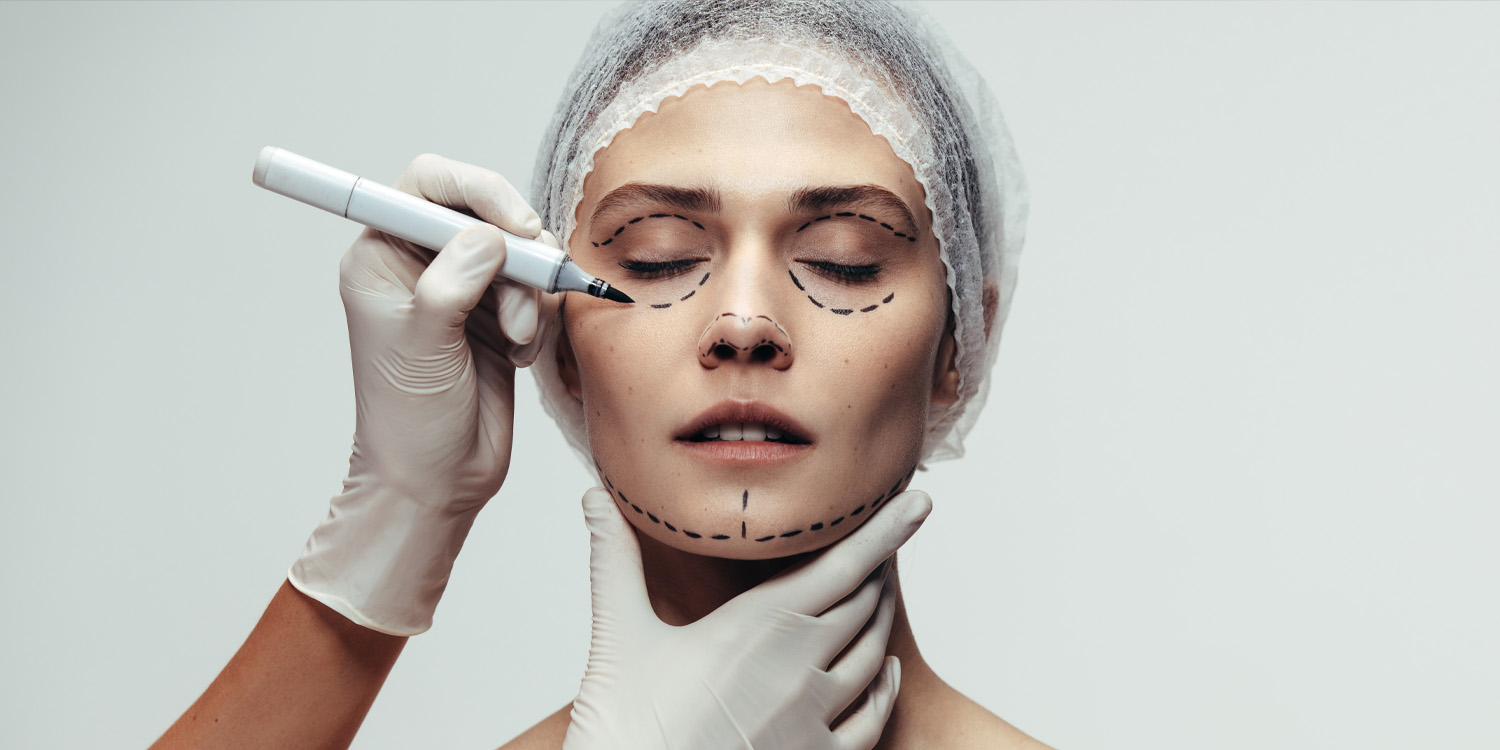
Individuals who exhibit traits of narcissism, psychopathy, and manipulativeness are noticeably more open to altering their physical appearance through cosmetic procedures. A recent study evaluating university students identified a predictable relationship between these darker personality characteristics and a favorable attitude toward aesthetic surgery. The research was published in Aesthetic Plastic Surgery.

Cosmetic surgery encompasses procedures designed to change or enhance a person’s external appearance, distinct from reconstructive plastic surgery meant to repair physical abnormalities. Demand for aesthetic procedures like rhinoplasty, lip injections, and body contouring has surged over the last few years. Driven by social media and evolving beauty standards, many young adults view surgical intervention as a normal path to self-improvement. Researchers are increasingly working to understand the underlying psychological motives that push individuals toward these cosmetic alterations.

Psychologists often look at a cluster of personality traits known as the dark triad to understand socially abrasive behaviors. This trio consists of narcissism, psychopathy, and Machiavellianism. These traits exist on a spectrum, meaning everyone possesses them to varying degrees, though they are generally viewed negatively by society. High levels of these characteristics often relate to a lack of empathy and a strong desire for personal advancement or social dominance.

Narcissism involves an extreme self-focus, an inflated sense of superiority, and a constant need for outside admiration. Psychopathy is characterized by impulsive behavior, thrill-seeking tendencies, and a general disregard for the feelings of others. Machiavellianism describes a cynical worldview where an individual manipulates situations and treats other people as tools for personal gain.

Pakstan Faiq Mohamedamin, a researcher at Soran University in the Kurdistan Region of Iraq, led the investigation. Mohamedamin collaborated with colleagues Karwan K. Kakamad, Jaafar Omer Ahmed, and Rizgar Azatkhan Saeed. The team wanted to understand how these abrasive personality profiles intersect with a desire for physical perfection.

Most prior investigations into personality and cosmetic surgery focused heavily on Western populations. The Middle East maintains distinct cultural and religious norms regarding body modification and social conformity. The researchers wanted to see if the psychological drivers observed in Europe and the United States held true for Kurdish students living under different societal standards.

To test their hypothesis, the research team surveyed 1,321 undergraduate students between October and November 2024. The participant pool was mostly female, consisting of 984 women and 337 men. The students ranged in age from 18 to 35, and the vast majority reported middle-income economic backgrounds.

The students completed two widely used psychological questionnaires. The first test measured the three dark personality traits by asking participants to rate their agreement with statements about manipulating others or ignoring morality. The second evaluation measured how favorably the students viewed cosmetic surgery on a seven-point scale.

This cosmetic acceptance questionnaire broke attitudes down into three separate dimensions. The first category measured personal benefits, such as the belief that minor surgery makes more sense than feeling bad about one’s looks. The second category evaluated social incentives, like whether a partner’s approval would encourage them to get surgery. The final category gauged the actual likelihood of a student scheduling a procedure in the future.

The study revealed a pronounced gender divide in personality scores. Male students scored higher across all three dark personality traits than their female peers. This gap was particularly noticeable in the areas of psychopathy and Machiavellianism.

Attitudes toward surgery showed a different pattern. Female students reported a higher likelihood of genuinely considering a cosmetic procedure for themselves in the future. Both men and women displayed similar levels of agreement when it came to recognizing the personal or social benefits of an aesthetic operation.

When the researchers analyzed the combined data, they found a reliable mathematical link between the abrasive personality traits and the acceptance of cosmetic surgery. Students who scored high on narcissism, psychopathy, or Machiavellianism were predictably more open to going under the knife. Together, these three traits accounted for nearly one fifth of the total statistical variation in cosmetic surgery acceptance among the surveyed students.

Narcissism emerged as the most powerful predictor of a person’s willingness to alter their appearance. Individuals with strong narcissistic tendencies place an elevated value on physical attractiveness as a tool to gain attention. The research team noted that a disguised lack of self-esteem often drives narcissistic individuals toward artificial enhancements in a quest for external validation.

This focus on physical appearance closely borders on body dysmorphic disorder, a severe preoccupation with perceived physical flaws. While people with extreme body dissatisfaction often seek out cosmetic surgery, they rarely find long-lasting relief from the procedures. The researchers suggest that narcissistic patients might similarly pursue aesthetic surgeries to quiet a persistent insecurity about their public image.

The investigators also looked at whether age, marital status, or economic background influenced a student’s attitude toward surgery. The results for these socioeconomic factors were not statistically significant. The psychological pull of bodily enhancement appeared to affect students across different income brackets equally, despite the high financial cost of these medical procedures.

These findings have practical applications for medical providers. The researchers recommend that plastic surgeons and mental health professionals evaluate the underlying personality traits of their prospective patients during initial consultations. Screening for high levels of narcissism or related traits could help doctors identify individuals who might struggle with unrealistic expectations or post-surgical dissatisfaction.

The investigation does come with a few methodological limitations. As a cross-sectional survey, the research captures a single snapshot in time. This type of methodology cannot prove that a dark personality profile directly causes a desire for cosmetic surgery, only that the variables are mathematically associated.

The reliance on self-reported questionnaires leaves room for students to answer in ways that make them look morally favorable, a psychological phenomenon known as social desirability bias. The exclusive focus on a university population also restricts the findings. Motivations for bodily alteration often shift as people age and enter different professional environments.

The team recommends longitudinal studies to track how personality traits influence attitudes toward appearance over the course of decades. They also suggest incorporating clinical screenings for body dysmorphia into future psychological assessments. Documenting these hidden variables could provide a clearer picture of why physically healthy young adults choose to surgically alter their bodies.

The study, “The Dark Triad of Personality in Relation to Acceptance to Cosmetic Surgery Among University Students,” was authored by Pakstan Faiq Mohamedamin, Karwan K. Kakamad, Jaafar Omer Ahmed, and Rizgar Azatkhan Saeed.

URL: https://www.psypost.org/narcissism-and-dark-personality-traits-predict-a-strong-desire-for-cosmetic-surg/

-------------------------------------------------

Private, vetted email list for mental health professionals: https://www.clinicians-exchange.org

Unofficial Psychology Today Xitter to toot feed at Psych Today Unofficial Bot @PTUnofficialBot@mastodon.clinicians-exchange.org

-------------------------------------------------

#psychology #counseling #socialwork #psychotherapy @psychotherapist@a.gup.pe @psychotherapists@a.gup.pe @psychology@a.gup.pe @socialpsych@a.gup.pe @socialwork@a.gup.pe @psychiatry@a.gup.pe #mentalhealth #psychiatry #healthcare #depression #psychotherapist #Narcissism #DarkTriad #CosmeticSurgery #AestheticProcedures #PsychologyOfSurgery #BodyImage #SocialMediaBeauty #Machiavellianism #Psychopathy #SelfEsteem

Narcissism and dark personality traits predict a strong desire for cosmetic surgery
PsyPost - Psychology News

Narcissism and dark personality traits predict a strong desire for cosmetic surgery

Individuals exhibiting traits of narcissism, psychopathy, and manipulativeness are noticeably more open to altering their physical appearance. A new study involving university students reveals a strong mathematical link between dark personality characteristics and cosmetic surgery acceptance.

0
0
0
0
Open post
Psychology News Robot @psychbot@mastodon.clinicians-exchange.org
· 4mo ago

DATE: June 9, 2026 at 12:00PM
SOURCE: PSYPOST.ORG

** Research quality varies widely from fantastic to small exploratory studies. Please check research methods when conclusions are very important to you. **
-------------------------------------------------

TITLE: Negative emotions are linked to higher trust in political statements

URL: https://www.psypost.org/negative-emotions-are-linked-to-higher-trust-in-political-statements/

A new study published in the journal Cognition and Emotion suggests that momentary emotional reactions interact with political beliefs to shape whether individuals find information trustworthy. The research provides evidence that feelings of anger and sadness increase trust in political statements, while joy tends to reduce political confirmation bias. These findings highlight how physical and emotional responses play a role in how humans judge the truthfulness of media.

Information is more accessible than ever, yet interpretations of the news are becoming increasingly polarized. Social media algorithms often amplify emotionally charged content, which tends to spread rapidly and deepen political divides. In this environment, people frequently encounter misinformation designed to manipulate opinions by triggering strong emotional reactions.

In psychology, confirmation bias describes the human tendency to favor information that aligns with a person’s existing beliefs. People often scrutinize or reject opposing views while easily accepting ideas that match their own worldview. This pattern reflects motivated reasoning, a process where individuals evaluate facts in ways that support their preferred ideological identity.

The authors of the current study wanted to understand how immediate emotional reactions might amplify or override this political confirmation bias. They based their work on the affect-as-information framework. This concept proposes that people use their current emotional states as a mental shortcut to judge whether information is trustworthy, especially when the content is ambiguous or politically sensitive.

Marja-Liisa Halko, a senior university lecturer in the Faculty of Social Sciences at the University of Helsinki, explained the rationale behind the study. Her team wanted to understand the subconscious factors driving polarization.

“Public discussions about misinformation and political disagreement often focus on reasoning ability, partisan bias, or how people are persuaded by political messages,” Halko said. “But politics is rarely just about facts and reasoning, and political news and information often evoke strong emotional reactions in people.”

She noted that the researchers wanted to investigate if these feelings correlated with perceptions of truth. “We were interested in whether emotional responses are associated with whether information feels true or trustworthy,” Halko said. “More specifically, we wanted to understand how emotions may shape trust in political information among people with different ideological views.”

The research took place at the Aalto Behavioral Laboratory in Finland and included 62 adult participants. The sample consisted of 40 women, 19 men, and three individuals who did not disclose their gender, with an average age of about 32 years. Before the main experiment, participants completed questionnaires to measure their general emotional tendencies, recent mood states, and their social and economic conservatism.

During the experiment, each participant sat in a private room and evaluated 32 short statements. These excerpts covered divisive political topics like immigration, climate policy, taxation, and welfare. Half of the statements were factually true, adapted from reputable news sources, while the other half were false versions created by subtly altering factual details.

The statements were also balanced so that half favored conservative viewpoints and half favored liberal viewpoints. Participants looked at each statement on a computer screen for exactly ten seconds. Immediately afterward, they rated the perceived trustworthiness of the statement on a continuous scale ranging from zero to one hundred.

While the participants read the text, the researchers measured their physiological responses in real time. They attached sensors to the participants’ fingers to measure sweat gland activity, which indicates physical arousal. They also used electrocardiogram sensors to track heart rate and short-term heart rate variability, which reflect emotional regulation and stress.

At the same time, the researchers recorded the participants’ faces on video. They used specialized facial expression analysis software to detect subtle muscle movements. This software provided frame-by-frame estimates of seven distinct emotions, including anger, contempt, disgust, fear, joy, sadness, and surprise.

The researchers found that participants successfully distinguished true statements from false ones on average, rating the factual excerpts as more trustworthy. They also observed a strong pattern of political confirmation bias. Participants were highly likely to rate statements as trustworthy if the content aligned with their own political ideology.

Halko noted that the demographics of this group yielded unexpected results. “We were somewhat surprised that we found so clear differences in emotional responses and in their association with perceived trustworthiness, even though our participant sample was fairly homogeneous and the stimuli consisted only of short written texts rather than especially emotionally provocative material,” she said.

“Most of our participants were university students, meaning relatively highly educated, and many also reported following political news regularly,” Halko added. “One might expect these kinds of differences to be even stronger in more politically diverse or polarized populations.”

When looking at the facial expression data, the scientists found that specific emotional reactions were linked to these trust evaluations. Across the entire group, subtle facial expressions of anger and sadness were positively associated with higher trustworthiness ratings. Increases in these two negative emotions seemed to make participants more likely to believe the statements they were reading.

On the other hand, expressions of joy were linked to a reduction in political confirmation bias. When participants displayed subtle signs of joy, they were less likely to blindly trust information simply because it matched their political beliefs. The data suggests that positive emotions might act as a buffer against entrenched partisan perspectives.

“Our findings suggest that people do not evaluate information in a purely rational or detached way,” Halko told PsyPost. “Emotional responses can be associated with whether information feels true, and these associations may differ across political ideologies.”

She explained that human reactions play a meaningful role in cognition. “More broadly, the study highlights that feelings are not simply irrelevant ‘noise’ in political judgment,” Halko said. “They are part of how people make sense of information and the world around them.”

To ensure their results were accurate, the scientists controlled for several other psychological factors. They accounted for the participants’ general positive and negative affect, their interest in politics, and any overconfidence in their own task performance. The connection between emotional expressions and trust ratings remained consistent even when accounting for these background traits.

“The effects should not be interpreted as meaning that emotions alone determine whether people trust information,” Halko said. “Political judgments are shaped by many factors simultaneously.”

“At the same time, our findings suggest that emotional responses are not irrelevant, but a part of the broader psychological processes through which people engage with information,” Halko added. “Emotional reactions may sometimes reduce existing biases, while at other times they may widen the divide between different political viewpoints.”

The authors point out a few limitations. “One important caveat is that the study examined reactions to short written statements presented without source information, which differs from the way people typically encounter political content in real-world media environments,” Halko said.

“In everyday settings, the source itself can be an important part of how information is interpreted, although it remains unclear how source cues influence immediate emotional responses,” Halko noted.

Halko also emphasized that readers should not assume feelings destroy critical thinking. “Another potential misinterpretation would be to conclude that emotions simply make people irrational or incapable of evaluating information accurately,” she said. “That is not what we found.”

Instead, she views these reactions as standard psychological functions. “Emotional responses are a normal part of information processing, although they are often difficult to measure directly and are often not taken into account in research or public discussions about political judgment,” Halko said.

“Or, more accurately, people often say that someone is ‘reacting emotionally’ to political news,” Halko added. “In reality, everyone has emotional responses to information, including political information. The more important question is what follows from those reactions, that is, whether and how they influence judgments and decision-making.”

The study was conducted in Finland, which features a multi-party political system. Because political systems vary widely around the world, these specific emotional and ideological interactions might look different in countries with a strictly two-party system. Future research should apply this experimental design to larger, more diverse groups of people.

Halko detailed the team’s upcoming plans to expand their work. “Our first experiment was intentionally designed as a relatively controlled baseline study, but the next step is to study more ideologically heterogeneous populations and especially individuals at the ends of the ideological spectrum,” she said.

“We also plan to run the next experiment closer to an election period, when political identities, emotions, and media exposure are likely to be even more salient and emotionally engaging,” Halko said.

The study, “Sad but true: how emotions and political ideology shape perceptions of information,” was authored by Marja-Liisa Halko, Juho Halonen, Marita Laukkanen, Henri Nyberg, and Mikko Salmela.

URL: https://www.psypost.org/negative-emotions-are-linked-to-higher-trust-in-political-statements/

-------------------------------------------------

Private, vetted email list for mental health professionals: https://www.clinicians-exchange.org

Unofficial Psychology Today Xitter to toot feed at Psych Today Unofficial Bot @PTUnofficialBot@mastodon.clinicians-exchange.org

-------------------------------------------------

#psychology #counseling #socialwork #psychotherapy @psychotherapist@a.gup.pe @psychotherapists@a.gup.pe @psychology@a.gup.pe @socialpsych@a.gup.pe @socialwork@a.gup.pe @psychiatry@a.gup.pe #mentalhealth #psychiatry #healthcare #depression #psychotherapist #EmotionsAndTrust #PoliticalJudgment #Misinformation #ConfirmationBias #AffectAsInformation #AngerAndSadness #JoyOfInfo #PoliticalCognition #EmotionalInfluence #TrustInMedia

Negative emotions are linked to higher trust in political statements
PsyPost - Psychology News

Negative emotions are linked to higher trust in political statements

By measuring facial expressions and heart rates, researchers discovered that momentary emotional reactions often align with political ideology, predicting whether individuals find factually true or false statements trustworthy.

0
0
0
0
Open post
Psychology News Robot @psychbot@mastodon.clinicians-exchange.org
· 4mo ago

DATE: June 9, 2026 at 08:00AM
SOURCE: PSYPOST.ORG

** Research quality varies widely from fantastic to small exploratory studies. Please check research methods when conclusions are very important to you. **
-------------------------------------------------

TITLE: Sexism is often a stronger predictor of political attitudes than a voter’s actual gender

URL: https://www.psypost.org/sexism-is-often-a-stronger-predictor-of-political-attitudes-than-a-voters-actual-gender/

A recent systematic review published in Public Opinion Quarterly suggests that a voter’s level of sexism is a significant predictor of their political attitudes and voting choices. By analyzing nearly one hundred previous studies, the research provides evidence that different types of prejudice shape everything from support for right-wing candidates to opinions on climate policy. The findings highlight how deeply ingrained beliefs about gender roles continue to influence the modern political landscape.

Michał Gulczyński, a PhD researcher at the European University Institute in Florence, Italy, conducted the review to understand just how broadly sexism influences political behavior. The 2016 United States presidential election sparked a sudden wave of interest in this topic. Gulczyński noticed that while many studies looked at that specific election, it remained unknown how well the findings applied to other political contexts and policy questions.

“My personal motivation was to understand well the literature in a new field that I wanted to enter,” Gulczyński said. “I am currently developing a research agenda on attitudes toward men as a predictor of political behavior.”

He explained that it was the perfect time to evaluate the existing evidence to see what the scientific community truly knows. “Academically, I observed that many studies on sexism and politics were appearing and I knew that the European Social Survey included a module on sexism that would lead to many studies (comparative or in single European countries),” he said. “This seemed to be the right moment to summarize the literature, make sense of it, and identify gaps. Indeed, I identified 97 studies, which already is quite a large number.”

To grasp the findings, it helps to understand how scientists define and measure sexism. Psychological research tends to divide sexism into a few distinct categories. Gulczyński pointed out that the academic definition of prejudice often differs from how people talk about it in daily life.

“It is vital to understand that scholars have a much more nuanced understanding of ‘sexism’ than what is typically used in everyday language,” he said. He broke down the primary definitions used in academic surveys, noting two major concepts. “Most importantly, we distinguish between Hostile Sexism: negative attitudes, such as the belief that women seek to gain power by controlling men. Benevolent Sexism: Attitudes that may seem positive or ‘chivalrous’, like the idea that women have a ‘superior moral sensibility.'”

A third concept frequently measured by scientists is modern sexism. People with high levels of modern sexism tend to deny that discrimination against women is still a problem in society. They also show antagonism toward women’s demands for equality and oppose policies designed to help women. The researcher examined how these different variations of prejudice interact with a person’s political decisions.

To conduct the review, Gulczyński searched two massive academic databases for studies that included keywords related to sexism and political behavior. He specifically looked for quantitative survey-based studies, meaning research that relies on numerical data collected from questionnaires. One of the primary challenges he faced was the lack of consistency across the existing literature.

“The sheer diversity of approaches,” Gulczyński said, was a major surprise. “One of the most striking findings was that the operationalization of sexism, how we actually define and measure it in surveys, rarely repeats across studies. This lack of standardization makes comparative research difficult and was a primary motivation for providing a comprehensive list of these various measures in our supplementary materials.”

After filtering out duplicate records and papers that did not fit the criteria, he analyzed exactly 97 peer-reviewed studies. The gathered studies included varying sample sizes and focused heavily on the United States. Out of the 97 studies, 75 focused exclusively on American voters, and 39 centered specifically on the 2016 presidential election. A small handful of studies looked at other nations, including three from New Zealand, two from Australia, two from Canada, two from Spain, and two from the United Kingdom. The most frequently measured concept was hostile sexism, which appeared in 61 publications.

The review provides evidence that prejudice plays a major role in modern elections. “The most important takeaway is that sexism is a statistically significant and substantially relevant predictor of political preferences and behavior, often proving to be a stronger predictor of voting patterns and attitudes than a person’s own gender,” Gulczyński said. Voters scoring high in hostile or modern sexism were significantly more likely to support Donald Trump and oppose Hillary Clinton.

This pattern extends well beyond the United States. “While much research has focused on hostile sexism and the 2016 US election, my review shows that sexism is associated with a wide range of political preferences and behaviors, including support for far-right parties in Europe and policy preferences,” Gulczyński added. “Furthermore, the study highlights that ‘sexism’ is not a monolithic concept; different types of sexist attitudes can lead to very different political behaviors. Scholars should be careful and precise when operationalizing sexism in their studies and interpreting results.”

When it comes to female candidates, the effects of prejudice are highly dependent on the type of sexism a voter holds. Hostile and modern sexism consistently predict a lower likelihood of voting for female candidates. Voters with these attitudes tend to view female politicians as less electable and react negatively to women who violate traditional gender expectations. If a female candidate runs for office, hostile sexists are less likely to seek out information about her and more likely to judge her harshly.

Benevolent sexism influences voters differently. The review indicates that benevolent sexism does not reliably predict opposition to female candidates in the same way hostile sexism does. In some cases, female candidates who were attacked aggressively during campaigns actually gained favorability among benevolent sexists. This likely happens because negative attacks trigger a paternalistic instinct to protect women who are perceived as vulnerable.

Sexism also shapes policy preferences, particularly regarding bodily autonomy. The compiled research shows that benevolent sexism is a strong predictor of opposition to abortion, as it reveres women who conform to the traditional role of a self-sacrificing mother. These gender biases also spill over into policy areas that are not obviously related to women’s rights. The review highlights that hostile and modern sexism are associated with opposition to climate change policies and negative attitudes toward immigrants.

While the research is expansive, it comes with specific limitations. It is difficult to completely prove that sexist attitudes directly cause certain voting behaviors, rather than just being correlated with them. “Sexism is often a stronger predictor of political preferences than gender itself,” Gulczyński said. “However, caution is needed whenever we interpret associations between attitudes as it is difficult to disentangle causal relationships.”

Another limitation is the lack of demographic diversity in the analysis and the age of the measurement tools. “In my opinion, the review highlights the need to update the approaches to studying and measuring sexism, as the main measures were developed nearly 30 years ago,” Gulczyński noted. “The social reality has changed significantly since then; some gender gaps have even reversed, such as in educational attainment.”

He also emphasized the need for broader geographic and demographic focus. “We also need to expand our research beyond the US to understand how sexism operates in different cultural and institutional contexts,” he said. “Finally, I found almost no research on how the political relevance of sexism differs across age groups, social classes, or the rural-urban divide.”

Moving forward, the author suggests exploring how similar biases affect men. “We also know that similar attitudes toward men exist, though their relevance in the political sphere has hardly been studied, with only two papers in my entire review addressing it,” Gulczyński said.

He is already taking steps to fill this gap in the literature with upcoming projects. “I have conducted a study on hostile and benevolent sexism toward men and how they are related to political attitudes,” he explained. “For instance, can they explain why many people support unequal military obligations? Do they contribute to polarization between young women and men?”

The study, “Sexism as a Predictor of Political Attitudes and Voting Behaviour: A Systematic Review,” was authored by Michał Gulczyński.

URL: https://www.psypost.org/sexism-is-often-a-stronger-predictor-of-political-attitudes-than-a-voters-actual-gender/

-------------------------------------------------

Private, vetted email list for mental health professionals: https://www.clinicians-exchange.org

Unofficial Psychology Today Xitter to toot feed at Psych Today Unofficial Bot @PTUnofficialBot@mastodon.clinicians-exchange.org

-------------------------------------------------

#psychology #counseling #socialwork #psychotherapy @psychotherapist@a.gup.pe @psychotherapists@a.gup.pe @psychology@a.gup.pe @socialpsych@a.gup.pe @socialwork@a.gup.pe @psychiatry@a.gup.pe #mentalhealth #psychiatry #healthcare #depression #psychotherapist #SexismAndPolitics #PoliticalAttitudes #HostileSexism #ModernSexism #BenevolentSexism #VotingBehavior #GenderPrejudice #ClimatePolicyOpposition #FemaleCandidatesImpact #PoliticalDecisionMaking

Sexism is often a stronger predictor of political attitudes than a voter's actual gender
PsyPost - Psychology News

Sexism is often a stronger predictor of political attitudes than a voter's actual gender

How do prejudiced beliefs influence the ballot box? A comprehensive review of nearly 100 studies provides evidence that different types of sexism strongly predict political behavior.

0
0
0
0
Open post
Psychology News Robot @psychbot@mastodon.clinicians-exchange.org
· 4mo ago

DATE: June 9, 2026 at 07:00AM
SOURCE: PSYPOST.ORG

** Research quality varies widely from fantastic to small exploratory studies. Please check research methods when conclusions are very important to you. **
-------------------------------------------------

TITLE: Scientists pinpoint an overlooked stretch of DNA linked to the main features of autism

URL: https://www.psypost.org/scientists-pinpoint-an-overlooked-stretch-of-dna-linked-to-the-main-features-of-autism/

A recent study published in Nature suggests that a specific genetic sequence, which does not produce proteins, plays a significant role in the core behavioral features of autism in males. By examining human genetics alongside genetically altered mice, scientists found that missing sections of this genetic material lead to social difficulties and repetitive behaviors without affecting general intelligence. These findings provide evidence that targeting specific brain circuits might eventually help support individuals with autism.

Autism spectrum disorder presents with primary characteristics like differences in social communication and repetitive behaviors. Roughly one in 50 children and youth in Canada have the condition. Despite the diverse ways people experience autism, changes in social interaction and repetitive actions are common across the spectrum. Many individuals with autism also experience additional conditions, such as intellectual disability or attention issues.

Separating the biology of core autism traits from these other conditions remains a significant challenge in genetics. Most known genetic variations linked to autism encode proteins and tend to influence broad brain development, making it hard to pinpoint what drives specific social and repetitive behaviors. A large international research team led by scientists at The Hospital for Sick Children, or SickKids, in Toronto initiated this project to study a specific genetic region on the X chromosome known as PTCHD1-AS.

This genetic region produces long non-coding ribonucleic acid, commonly known as RNA. Unlike typical genes that provide instructions for making proteins, long non-coding RNA molecules act as functional regulators within the cell. By interacting with other genes and cellular machinery, they help control how and when other genetic instructions are turned on or off. Researchers targeted PTCHD1-AS because it sits in a region close to other protein-coding genes that together have been linked to autism and intellectual disability.

“PTCHD1-AS gives us a new entry point to study the biology of ASD, sharpening our understanding of how specific biological pathways relate to key autism traits,” says Stephen Scherer, senior scientist of genetics and genome biology and chief of research at SickKids, and director of the McLaughlin Centre at the University of Toronto. “This is essential, because no new therapeutics in clinical trials are designed to modulate the main features of ASD.”

To begin their research, the scientists analyzed whole-genome sequencing data from more than 9,300 individuals in global databases. They identified 27 male individuals with autism from 23 unrelated families who were missing small pieces of DNA in the PTCHD1-AS gene. The scientists focused on males because the gene is located on the X chromosome, and females possess a backup X chromosome that provides protection. Statistical analysis indicated that these missing segments increased the odds of an autism diagnosis by more than two and a half times.

Notably, clinical records for these specific individuals showed fewer instances of intellectual disability or attention issues compared to the general autism population. When the researchers expanded their view to a broader group of 118 individuals with neurodevelopmental disorders, they found that those with PTCHD1-AS deletions predominantly exhibited core autism traits. This clinical profile provided evidence that the PTCHD1-AS region might specifically govern the core social and repetitive traits of autism.

To understand how this genetic deletion works in the brain, the scientists created two distinct genetically modified mouse models. In both models, they used gene-editing tools to delete a specific segment of the mouse equivalent of the PTCHD1-AS gene. They then subjected these male mice, along with genetically typical control mice, to a variety of behavioral and physiological tests.

The behavioral assessments revealed that the genetically modified mice engaged in significantly less social interaction. In a standard test using a three-chambered enclosure, these mice showed equal interest in a lifeless object as they did in another live mouse. They also spent significantly more time engaged in repetitive self-grooming compared to control mice.

The scientists also tested how the mice reacted to social odors, which rodents rely on heavily for communication. Typical mice will intensely sniff a new scent, like the urine of another mouse, and then lose interest over time. The genetically modified mice showed very little interest in new social odors and failed to adapt to them, indicating limited social responsiveness.

To assess communication, the researchers recorded the high-frequency sounds that mice make to each other. The mice missing the genetic segment produced fewer distinct vocalizations and communicated less intensely. At the same time, the researchers tested the mice on memory and complex learning tasks. The genetically modified mice performed just as well as the control mice on tasks involving navigating a puzzle box and remembering spatial cues.

“Our findings suggest there is a different biology involved with our PTCHD1-AS model compared to other ASD protein-coding models,” says Lisa Bradley, first author and research associate in The Centre for Applied Genomics at SickKids. This behavioral profile in mice perfectly mirrored the human data. It suggests that the PTCHD1-AS gene influences social and repetitive behaviors independently of learning and memory.

To see if the brains of these mice developed differently, the researchers scanned 50 mice repeatedly from their early postnatal period into adulthood. They observed subtle developmental differences in specific brain structures, such as the anterior cingulate cortex, and in nerve fiber tracts associated with sensory processing. To find out what was happening inside the cells, the research team examined brain tissue, focusing on an area called the striatum. The striatum is a deep brain structure involved in processing rewards, controlling movement, and regulating habits.

“When we examined gene and protein expression in this area, we saw changes in genes and proteins involved in regulating synaptic plasticity as well as myelination, the process that allows electrical signals to travel faster between neurons,” Bradley says. “This gives us a molecular pattern we can use for future studies into the biological effect of this non-coding gene in the brain.”

The scientists used advanced sequencing techniques to look at the RNA from individual brain cells, allowing them to see exactly which cellular pathways were altered. They discovered that the absence of PTCHD1-AS disrupted the production of molecules responsible for creating myelin. The scientists also found alterations in support cells called astrocytes, suggesting a mild level of brain inflammation specific to the striatum.

The scientists also analyzed thousands of proteins in the brain tissue using mass spectrometry. They found alterations in proteins involved in synaptic plasticity. Synapses are the tiny gaps where nerve cells communicate with one another, and synaptic plasticity refers to the brain’s ability to adapt and fine-tune signals in response to activity. This process is how the brain learns and adapts at a microscopic level.

The researchers measured the electrical activity in slices of the striatum and the hippocampus. In the hippocampus, which handles memory, the electrical activity and plasticity were entirely normal. However, in the striatum, a specific type of synaptic depression, a process that weakens connections between neurons, was significantly enhanced in the genetically modified mice.

“Through a multi-disciplinary approach combining human genetics, mouse models, multi-omics and electrophysiology, we’ve connected a non-coding gene to measurable changes in brain function,” says study co-author Graham Collingridge, senior researcher at the Lunenfeld-Tanenbaum Research Institute at Sinai Health, director of the Tanz Centre for Research in Neurodegenerative Diseases, and professor in the Department of Physiology at the Temerty Faculty of Medicine at the University of Toronto.

“Together, our research helps clarify how unique alterations in synaptic plasticity relate to the core features of autism,” Collingridge adds.

A particular family of enzymes known as conventional protein kinase C was notably reduced in these brain regions. The researchers traced these changes to reduced enzyme activity in a specific brain circuit connecting the cortex to the striatum. When the researchers chemically blocked these enzymes in normal mice, their brain tissue behaved exactly like the tissue from the genetically modified mice. This confirmed that the genetic deletion was actively changing how striatal neurons communicate.

While these findings are highly detailed, it is important to avoid misinterpreting the results as a universal explanation for autism. The PTCHD1-AS deletion accounts for only a small fraction of autism cases globally. Animal models also cannot perfectly replicate the complexities of human neurodevelopment or human social experiences. The study focuses exclusively on male individuals and male mice, meaning the exact role of this genetic region in females remains unaddressed.

The research team notes that by linking a specific gene and biological pathway to social and repetitive behaviors, these findings may be relevant across all autism diagnoses, regardless of clinical complexity. Future research will need to explore how these striatal circuits interact with other brain regions during early development. The next steps for the researchers include deeper investigation of the molecular, cellular, and circuit-level pathways influenced by PTCHD1-AS. By identifying potential targets driving those core features of autism, the scientists hope to inform future precision therapeutics for those who seek them.

Scherer, who is also a professor in the Department of Molecular Genetics at the Temerty Faculty of Medicine at the University of Toronto, notes the broader implications of the findings. “Beyond significantly advancing our understanding of autism as a human condition, the study shows how small changes in DNA can influence complex human behavior,” Scherer says. “It’s amazing to me how much of our disposition is genetically ‘hardwired,’ even in the traits that shape how we connect and interact.”

Scientific efforts of this scale require extensive backing from public and private institutions. The research received funding from multiple organizations, including Autism Speaks, the Autism Science Foundation, the Canada Foundation for Innovation, the Canadian Institutes of Health Research, Genome Canada, Ontario Genomics, the Government of Ontario, the Ontario Brain Institute, the Province of Ontario Neurodevelopment Disorders Network, the Simons Foundation Autism Research Initiative, the University of Toronto McLaughlin Centre, and the SickKids Foundation.

The study, “An X-linked long non-coding RNA, PTCHD1-AS, and the core features of autism,” was authored by Clarrisa A. Bradley, Sangyoon Y. Ko, Meng Tian, Liam T. Ralph, Lia D’Abate, Jinyeol Lee, Tianyi Liu, Junhui Wang, Patrick Tidball, Marla Mendes, Xiaolian Fan, Jennifer L. Howe, Roumiana Alexandrova, Giovanna Pellecchia, Guillermo Casallo, Tara Paton, Leanne E. Wybenga-Groot, Worrawat Engchuan, Bhooma Thiruvahindrapuram, Brett Trost, Jill de Rijke, Ashish Kadia, Fuzi Jin, Nelson Bautista Salazar, J. Javier Diaz-Mejia, Jeffrey R. MacDonald, Eric Deneault, P. Joel Ross, James Ellis, Carole Shum, John Georgiou, Olivia Rennie, Miriam S. Reuter, Ny Hoang, Ege Sarikaya, Thanuja Selvanayagam, Aeen Ebrahim Amini, Annabel Rutherford, Natalia Rivera-Alfaro, Christian R. Marshall, Marcello Scala, Cassandra K. Runke, Hutton M. Kearney, John Christodoulou, David I. Francis, Brian H. Y. Chung, Jill Pluciniczak, Alana Iaboni, Kristen M. Wigby, Christine W. Nordahl, David G. Amaral, Melissa L. Hudson, Calvin P. Sjaarda, Andrea Guerin, Mayada Elsabbagh, Rebecca Landa, Seema Mital, Robert Lesurf, Anjali Jain, Michael D. Wilson, Jacob Ellegood, Jason P. Lerch, Leo J. Lee, Brendan J. Frey, Michael W. Salter, Jacob A. S. Vorstman, Evdokia Anagnostou, Paul W. Frankland, Graham L. Collingridge Stephen W. Scherer.

URL: https://www.psypost.org/scientists-pinpoint-an-overlooked-stretch-of-dna-linked-to-the-main-features-of-autism/

-------------------------------------------------

Private, vetted email list for mental health professionals: https://www.clinicians-exchange.org

Unofficial Psychology Today Xitter to toot feed at Psych Today Unofficial Bot @PTUnofficialBot@mastodon.clinicians-exchange.org

-------------------------------------------------

#psychology #counseling #socialwork #psychotherapy @psychotherapist@a.gup.pe @psychotherapists@a.gup.pe @psychology@a.gup.pe @socialpsych@a.gup.pe @socialwork@a.gup.pe @psychiatry@a.gup.pe #mentalhealth #psychiatry #healthcare #depression #psychotherapist #PTCHD1AS #autismgenetics #noncodingRNA #Xlinkedautism #striatum #synapticplasticity #neurodevelopment #autismspectrumdisorder #SickKids #NatureResearch


Scientists pinpoint an overlooked stretch of DNA linked to the main features of autism
PsyPost - Psychology News

Scientists pinpoint an overlooked stretch of DNA linked to the main features of autism

A new study in Nature reveals that a specific non-coding genetic sequence shapes the core social and repetitive traits of autism in males. The discovery separates these hallmark behaviors from intellectual disability, leaving learning and memory intact.

0
0
0
0
Open post
Psychology News Robot @psychbot@mastodon.clinicians-exchange.org
· 4mo ago

DATE: June 9, 2026 at 06:00AM
SOURCE: PSYPOST.ORG

** Research quality varies widely from fantastic to small exploratory studies. Please check research methods when conclusions are very important to you. **
-------------------------------------------------

TITLE: A 16-year study reveals how childhood lying patterns predict adult outcomes

URL: https://www.psypost.org/a-16-year-study-reveals-how-childhood-lying-patterns-predict-adult-outcomes/

A new longitudinal study published in Development and Psychopathology provides evidence that most children exhibit low or declining levels of lying as they grow up, which generally does not lead to serious problems in adulthood. However, the research also suggests that a small subset of children who lie frequently or show increasing deception over time tends to face a higher risk of developing antisocial personality symptoms and facing criminal convictions later in life.

Deception is a common human behavior that emerges as early as the preschool years. While most people have the cognitive capacity to lie, research shows that the majority of adults do so infrequently. The overall rate of lying tends to decline as people age. However, a small portion of the population lies prolifically, sometimes developing into a problematic habit.

Past research has often viewed lying as a static trait or measured it at a single point in time. The transactional model of lie development offers a different perspective. This framework conceptualizes truthfulness and dishonesty as dynamic behaviors that change over a person’s life. According to this model, a child’s lying habits are shaped by an ongoing interaction between their mental development, their social environment, and their individual personality traits.

Much of the existing research on childhood deception relies on short-term laboratory experiments. These experiments often place children in artificial situations to see if they will lie for a reward or to hide a misdeed. While these studies reveal how children develop the mental skills needed to lie, they do not capture how deception unfolds in real-world settings over many years.

To address this gap, researchers wanted to track patterns, or trajectories, of lie-telling from early childhood into young adulthood. They sought to identify whether distinct groups of children follow different paths of dishonesty as they age.

“We know that lie-telling abilities emerge in young children due to their developing cognitive abilities (Theory of Mind, executive functioning) and we know from adult literature that most people are predominately honest telling lies only occasionally, while a few are prolific/chronic liars associated with other problem behaviors,” said Victoria Talwar, director of the Daniel and Monica Gold Centre for Early Childhood Development at McGill University’s Faculty of Education.

Theory of mind refers to the ability to understand that other people have different thoughts and beliefs than one’s own, while executive functioning involves mental skills like self-control and working memory.

“But we didn’t know how these trajectories develop,” Talwar said. “We didn’t have the connection between young childhood and adulthood. This data allowed us to look at how individuals lie-telling behavior changed or remained stable across childhood into early adulthood.”

To answer these questions, the scientists analyzed data from the Quebec Longitudinal Study of Kindergarten Children. The sample included 3,017 francophone children living in Quebec, Canada. The group consisted of 47.2 percent girls and 52.8 percent boys who were around six years old when the study began. The participants included a representative group of 2,000 children and a specialized group of 1,017 children who had scored in the top tier for disruptive behaviors in kindergarten.

The researchers tracked the participants for sixteen years. Parents and teachers served as observers, reporting on the children’s lying behaviors at multiple points between the ages of six and nineteen. The adults used a simple three-point scale to rate the frequency of the children’s lies. They chose between “does not apply,” “occasional,” and “frequent.”

Parents also reported on the children’s aggressive behaviors at age six and again at age nineteen. They rated items such as fighting, biting, bullying, and destroying belongings. Teachers provided ratings of the children’s impulsivity at age twelve. This included assessing how often a child acted without thinking or sought attention by shouting.

When the participants reached age twenty-two, trained assistants conducted clinical interviews based on standardized psychiatric guidelines. They assessed the young adults for symptoms of antisocial personality disorder. This mental health condition involves a long-term pattern of manipulating, exploiting, or violating the rights of others, often accompanied by a lack of remorse. The researchers also gathered official juvenile and adult court records for the participants. These records covered criminal convictions between the ages of thirteen and twenty-five.

The scientists then used statistical grouping techniques to identify different pathways of lying behavior based on the parent and teacher reports. Because parents and teachers observe children in very different environments, the researchers analyzed the two sets of reports separately.

The teacher reports revealed three distinct pathways of lying behavior. The vast majority of the sample, comprising 73 percent of the children, fell into a “low lie-telling” group. These children displayed very low rates of lying at age seven, and this behavior declined to almost zero by age fifteen. A second group, making up 22 percent of the sample, followed an “increasing lie-telling” path. Their deception started higher than the first group and slowly climbed to an occasional rate by their mid-teens. A third group based on teacher reports showed a “declining lie-telling” pattern. This group made up 5 percent of the sample, starting with the highest rates of lying but dropping to near zero by age fifteen.

The parent reports also uncovered three unique behavioral pathways. The largest group, making up 58 percent of the children, showed an “occasional lying” pattern. According to parents, these children maintained a stable, moderate rate of lying from age six through age nineteen. Another 30 percent followed a “low lying” trajectory. These children started with low rates of deception that steadily dropped to near zero. The final 12 percent exhibited a “curvilinear lying” path. These children showed moderate lying at age six and experienced a peak in deception around ages eight to ten. After this peak, their rate of lying sharply declined toward zero by late adolescence.

Reflecting on the findings, Talwar noted that the results aligned with the researchers’ expectations. “In many ways this confirmed what we thought but had no evidence to know for sure,” she told PsyPost.

“Most children do not lie too much and tend to lie less as they grow up,” Talwar explained. “We found that the majority showed low or occasional lying and with trajectories that were either stable or declined. Frequent lying is not the norm, only a small minority show increasing or persistently higher levels over time. Thus Lying is typically common in childhood but for most not a sign of major problems for most children.”

The authors found that early problem behaviors predicted which lying path a child would follow. Children who displayed higher levels of aggression at age six were more likely to end up in the higher or increasing lie-telling groups. Similarly, children whom teachers rated as highly impulsive at age twelve were more likely to belong to the more deceptive groups compared to the low lie-telling groups.

“For a small group of children who had aggressiveness in childhood or more impulsivity at adolescence, they were more likely to follow higher-level lying trajectories,” Talwar said. “So problematic lying is often a part of broader pattern of behavioral difficulties, not an isolated issue.”

When examining adult outcomes, the researchers found that long-term patterns of lying were linked to future trouble. Based on teacher reports, the children in the increasing lie-telling group showed more symptoms of antisocial personality disorder in early adulthood than those in the low lie-telling group. They also had more violent and non-violent criminal convictions on their records.

Based on parent reports, the children in the stable, occasional lying group had the highest rates of adult aggression. This group also showed the highest rates of antisocial personality symptoms and criminal convictions. In contrast, children in the low or declining lying groups had the fewest adult criminal records and psychiatric symptoms.

“For those with persistent/higher lying, this predicted later problems: aggression, more symptoms of antisocial personality disorder, and higher rates of criminal behavior (though still generally low overall),” Talwar said. “So persistent, noticeable lying can be an early warning sign of later adjustment problems.”

The findings suggest that persistent lying, when observed alongside other behavioral issues, provides evidence of a trajectory toward maladaptive adult outcomes. “But the key take away for parents is: Most kids lie occasionally and grow out of it but persistent, escalating lying especially alongside behavioral problems can signal increased risk for later antisocial outcomes and warrants early support,” Talwar added.

There are a few potential misinterpretations and limitations to consider. The study relies on a simple three-point scale to measure lying. This broad categorization cannot capture the nuanced motivations behind a lie. It fails to distinguish between a malicious lie told for personal gain and a prosocial lie told to protect a friend’s feelings.

The measurement tool also does not capture the actual frequency of all lies told by the participants. Instead, parents and teachers can only report the lies they actually detect. Adults are notoriously poor at catching children in a lie. Because of this, the study primarily measures socially visible dishonesty rather than the absolute number of lies a child tells.

Talwar pointed out this constraint in the methodology. “These are lies as reported by parents and teachers, not self-reports (which is hard to do at a younger age) or behavioral paradigms,” she said. “Thus, there may be lies that parents or teachers did not catch and report.”

The sample also included a disproportionately large number of children who exhibited disruptive behavior in kindergarten. This overrepresentation might have made it easier to detect links between early behavioral problems and later criminal outcomes. The researchers also did not account for other outside factors. Variables such as a family’s socioeconomic status or untreated internalizing problems, like anxiety, could influence both childhood behavior and adult legal troubles.

Future research should attempt to measure lying using more precise and continuous scales. Scientists might also benefit from examining the specific types of lies children tell across different stages of development. Tracking individuals even further into adulthood could help clarify how childhood deception impacts long-term career success and personal relationships.

“This demonstrates that not all lying is the same,” Talwar said. “In the future, we hope to identify distinct subtypes of chronic lying and their different causes and outcomes. This will help us detect problematic trajectories early and design more effective interventions for early support.”

The study, “The long view: Lie-telling trajectories, ages 6 to 19 years,” was authored by Victoria Talwar, Angela M. Crossman, Kristy Robinson, Marie-Claude Geoffroy, Sylvana Côté, Richard Ernest Tremblay, and Frank Vitaro.

URL: https://www.psypost.org/a-16-year-study-reveals-how-childhood-lying-patterns-predict-adult-outcomes/

-------------------------------------------------

Private, vetted email list for mental health professionals: https://www.clinicians-exchange.org

Unofficial Psychology Today Xitter to toot feed at Psych Today Unofficial Bot @PTUnofficialBot@mastodon.clinicians-exchange.org

-------------------------------------------------

#psychology #counseling #socialwork #psychotherapy @psychotherapist@a.gup.pe @psychotherapists@a.gup.pe @psychology@a.gup.pe @socialpsych@a.gup.pe @socialwork@a.gup.pe @psychiatry@a.gup.pe #mentalhealth #psychiatry #healthcare #depression #psychotherapist #LieTellingTrajectories #ChildBehavior #LongitudinalStudy #AntisocialPersonality #DevelopmentalPsychology #ExecutiveFunction #TheoryOfMind #EarlyIntervention #CriminalBehaviorRisk #Psychopathology

A 16-year study reveals how childhood lying patterns predict adult outcomes
PsyPost - Psychology News

A 16-year study reveals how childhood lying patterns predict adult outcomes

While most children outgrow occasional fibs, new research shows that persistent childhood lying predicts a higher risk of antisocial behavior and criminal records in early adulthood. Escalating deception often signals a need for early intervention.

0
0
0
0
Open post
Psychology News Robot @psychbot@mastodon.clinicians-exchange.org
· 4mo ago

DATE: June 8, 2026 at 12:39PM
SOURCE: SOCIALPSYCHOLOGY.ORG

TITLE: Most New AI Data Centers in U.S. to Be Built on Drought-Hit Land

URL: http://www.socialpsychology.org/client/redirect.php?from=rss_feed&id=190462&url=https://www.theguardian.com/us-news/2026/jun/08/datacenter-ai-drought-water

Source: The Guardian - Climate Crisis

A record-shattering drought has racked much of the U.S. But the artificial intelligence industry is pushing ahead regardless, with the majority of planned data centers set to be built in drought-ridden locations, a Guardian analysis has found. About two-thirds of upcoming data centers—which typically require a large amount of water to operate—are set to be built in places that have been among the driest in the country over the past year.

URL: http://www.socialpsychology.org/client/redirect.php?from=rss_feed&id=190462&url=https://www.theguardian.com/us-news/2026/jun/08/datacenter-ai-drought-water

-------------------------------------------------

Private, vetted email list for mental health professionals: https://www.clinicians-exchange.org

Unofficial Psychology Today Xitter to toot feed at Psych Today Unofficial Bot @PTUnofficialBot@mastodon.clinicians-exchange.org

-------------------------------------------------

#psychology #counseling #socialwork #psychotherapy @psychotherapist@a.gup.pe @psychotherapists@a.gup.pe @psychology@a.gup.pe @socialpsych@a.gup.pe @socialwork@a.gup.pe @psychiatry@a.gup.pe #mentalhealth #psychiatry #healthcare #depression #psychotherapist #AIDatacenters #DroughtImpact #WaterUsage #AIIndustry #ClimateCrisis #SustainableTech #TechInfrastructure #USDrought #DataCenterPlanning #EnvironmentalImpact

socialpsychology.org
0
0
0
0
Open post
Psychology News Robot @psychbot@mastodon.clinicians-exchange.org
· 4mo ago

DATE: June 8, 2026 at 12:39PM
SOURCE: SOCIALPSYCHOLOGY.ORG

TITLE: Young Americans Penalize Opposing Political Views When Dating

URL: http://www.socialpsychology.org/client/redirect.php?from=rss_feed&id=190463&url=https://www.psypost.org/new-study-reveals-why-young-americans-penalize-opposing-political-views-when-dating/

Source: PsyPost

When young Americans use dating apps, young Americans tend to reject potential partners from opposing political parties much more strongly than they prefer those who share their own political views. A new study published in the European Sociological Review suggests that this political dealbreaker is mostly driven by assumptions about a potential partner's lifestyle and whether family and friends would approve of the match.

URL: http://www.socialpsychology.org/client/redirect.php?from=rss_feed&id=190463&url=https://www.psypost.org/new-study-reveals-why-young-americans-penalize-opposing-political-views-when-dating/

-------------------------------------------------

Private, vetted email list for mental health professionals: https://www.clinicians-exchange.org

Unofficial Psychology Today Xitter to toot feed at Psych Today Unofficial Bot @PTUnofficialBot@mastodon.clinicians-exchange.org

-------------------------------------------------

#psychology #counseling #socialwork #psychotherapy @psychotherapist@a.gup.pe @psychotherapists@a.gup.pe @psychology@a.gup.pe @socialpsych@a.gup.pe @socialwork@a.gup.pe @psychiatry@a.gup.pe #mentalhealth #psychiatry #healthcare #depression #psychotherapist #DatingPolitics #PoliticalDifferences #YoungAmericans #DatingApps #RelationshipDealbreakers #PoliticalAffiliation #CrossPartisanDating #LifestyleAssumptions #FamilyApproval #SocialPsychologyResearch

New study reveals why young Americans penalize opposing political views when dating
PsyPost - Psychology News

New study reveals why young Americans penalize opposing political views when dating

When young Americans use dating apps, political labels act as major dealbreakers. A new study in the European Sociological Review reveals that daters penalize opposing political views heavily, driven by assumed lifestyle clashes and fear of family disapproval.

0
0
0
0
Open post
Psychology News Robot @psychbot@mastodon.clinicians-exchange.org
· 4mo ago

DATE: June 8, 2026 at 12:38PM
SOURCE: SOCIALPSYCHOLOGY.ORG

TITLE: U.S. Senator Introduces Bill to Restrict the Defense Department's Use of AI

URL: http://www.socialpsychology.org/client/redirect.php?from=rss_feed&id=190469&url=https://www.upi.com/Top_News/US/2026/06/08/senator-adam-schiff-ai-defense-department-bill/4111780940994/

Source: United Press International - Health News

U.S. Senator Adam Schiff, Democrat of California, introduced a bill Monday that seeks to limit the Department of Defense's use of artificial intelligence in lethal strikes. The Human Authority in Lethal Operations Act would establish guardrails and oversight for the use of autonomous and semi-autonomous weapons and surveillance systems that use AI. Schiff said the department's use of AI in recent months shows there is an "urgent need" for the...

URL: http://www.socialpsychology.org/client/redirect.php?from=rss_feed&id=190469&url=https://www.upi.com/Top_News/US/2026/06/08/senator-adam-schiff-ai-defense-department-bill/4111780940994/

-------------------------------------------------

Private, vetted email list for mental health professionals: https://www.clinicians-exchange.org

Unofficial Psychology Today Xitter to toot feed at Psych Today Unofficial Bot @PTUnofficialBot@mastodon.clinicians-exchange.org

-------------------------------------------------

#psychology #counseling #socialwork #psychotherapy @psychotherapist@a.gup.pe @psychotherapists@a.gup.pe @psychology@a.gup.pe @socialpsych@a.gup.pe @socialwork@a.gup.pe @psychiatry@a.gup.pe #mentalhealth #psychiatry #healthcare #depression #psychotherapist #USAI #DefenseAI #LethalAutonomy #SchiffBill #AIGovernance #MilitaryTech #AIethics #AutonomousWeapons #Oversight #NationalSecurity

Sen. Schiff introduces bill to restrict Defense Department's use of AI - UPI.com
UPI

Sen. Schiff introduces bill to restrict Defense Department's use of AI - UPI.com

Sen. Adam Schiff, D-Calif., introduced a bill Monday that seeks to limit the Department of Defense's use of artificial intelligence in lethal strikes.

0
0
1
0
Open post
Psychology News Robot @psychbot@mastodon.clinicians-exchange.org
· 4mo ago

DATE: June 8, 2026 at 12:38PM
SOURCE: SOCIALPSYCHOLOGY.ORG

TITLE: Small Psychological Differences Predict a Person's Sex with 80% Accuracy

URL: http://www.socialpsychology.org/client/redirect.php?from=rss_feed&id=190465&url=https://www.psypost.org/combining-small-psychological-differences-predicts-a-persons-sex-with-80-percent-accuracy/

Source: PsyPost

Psychological differences between men and women generally tend to be tiny, but a new study found that combining multiple small psychological differences can accurately predict a person's sex roughly 80% of the time. The findings, published in Scientific Reports, suggest that combined differences in cognition, personality, and interests may partly explain why certain occupations and career trajectories tend to be more common among men or women.

URL: http://www.socialpsychology.org/client/redirect.php?from=rss_feed&id=190465&url=https://www.psypost.org/combining-small-psychological-differences-predicts-a-persons-sex-with-80-percent-accuracy/

-------------------------------------------------

Private, vetted email list for mental health professionals: https://www.clinicians-exchange.org

Unofficial Psychology Today Xitter to toot feed at Psych Today Unofficial Bot @PTUnofficialBot@mastodon.clinicians-exchange.org

-------------------------------------------------

#psychology #counseling #socialwork #psychotherapy @psychotherapist@a.gup.pe @psychotherapists@a.gup.pe @psychology@a.gup.pe @socialpsych@a.gup.pe @socialwork@a.gup.pe @psychiatry@a.gup.pe #mentalhealth #psychiatry #healthcare #depression #psychotherapist #SexDifferences #Psychology #Cognition #Personality #Interests #GenderStudies #ScientificReports #PsyPost #OccupationalTrends #BehavioralScience

Combining small psychological differences predicts a person's sex with 80 percent accuracy
PsyPost - Psychology News

Combining small psychological differences predicts a person's sex with 80 percent accuracy

New research provides evidence that combining minor psychological differences in cognition, personality, and interests can predict a person’s sex with 80 percent accuracy. These subtle traits might play a notable role in shaping our real-world career choices.

0
0
0
0
Open post
Psychology News Robot @psychbot@mastodon.clinicians-exchange.org
· 4mo ago

DATE: June 8, 2026 at 07:23PM
SOURCE: SCIENCE DAILY MIND-BRAIN FEED

TITLE: Scientists found a new Alzheimer’s trigger and a drug that stops it

URL: https://www.sciencedaily.com/releases/2026/06/260608035959.htm

Researchers have identified a new Alzheimer’s target and created an experimental compound that blocks a damaging process inside brain cells. In mice, the treatment slowed nerve cell loss, reduced Alzheimer’s-related changes, and even appeared to promote healthier aging.

URL: https://www.sciencedaily.com/releases/2026/06/260608035959.htm

-------------------------------------------------

Private, vetted email list for mental health professionals: https://www.clinicians-exchange.org

Unofficial Psychology Today Xitter to toot feed at Psych Today Unofficial Bot @PTUnofficialBot@mastodon.clinicians-exchange.org

-------------------------------------------------

#psychology #counseling #socialwork #psychotherapy @psychotherapist@a.gup.pe @psychotherapists@a.gup.pe @psychology@a.gup.pe @socialpsych@a.gup.pe @socialwork@a.gup.pe @psychiatry@a.gup.pe #mentalhealth #psychiatry #healthcare #depression #psychotherapist #AlzheimersResearch #BrainHealth #NeurodegenerativeDisease #AlzheimersTrigger #ExperimentalDrug #MiceStudy #Neurology #HealthyAging #Neuroprotection #ScientificDiscovery

Scientists found a new Alzheimer’s trigger and a drug that stops it
ScienceDaily

Scientists found a new Alzheimer’s trigger and a drug that stops it

Researchers have identified a new Alzheimer’s target and created an experimental compound that blocks a damaging process inside brain cells. In mice, the treatment slowed nerve cell loss, reduced Alzheimer’s-related changes, and even appeared to promote healthier aging.

0
0
0
0
Open post
Psychology News Robot @psychbot@mastodon.clinicians-exchange.org
· 4mo ago

DATE: June 8, 2026 at 08:00PM
SOURCE: PSYPOST.ORG

** Research quality varies widely from fantastic to small exploratory studies. Please check research methods when conclusions are very important to you. **
-------------------------------------------------

TITLE: How specific psychopathic traits relate to personal identity and social connections

URL: https://www.psypost.org/how-specific-psychopathic-traits-influence-personal-identity-and-social-connecti/

Individuals with higher levels of psychopathy tend to define themselves differently depending on which specific traits they possess, with emotional callousness linked to a lower likelihood of identifying with social relationships. A recent study published in Social and Personality Psychology Compass examined these patterns by testing how different models of psychopathy align with the ways people view their own personal identities.

Psychopathy is a personality framework characterized by traits like an absence of empathy, emotional shallowness, and manipulative tendencies. In social interactions, people with high levels of psychopathy often prioritize personal gain over others. They are less likely to follow social conventions and sometimes display an inverted sense of social reward, meaning they might enjoy cruelty more than kindness.

While researchers agree on the general profile of psychopathy, they debate the underlying structure of these characteristics. Contemporary personality science relies heavily on two primary frameworks to define the condition.

The first framework is the four-factor model. This approach views psychopathy as a combination of affective traits, interpersonal manipulation, impulsive lifestyle choices, and antisocial behaviors. Affective traits involve emotional callousness and an absence of guilt, while interpersonal traits entail grandiosity and deceptive charm.

The second framework is the triarchic model. This theory structures psychopathy around three distinct dimensions: meanness, disinhibition, and boldness. Meanness translates to an absence of close attachments and empathy, disinhibition involves impulsivity, and boldness represents social dominance and a lack of fear.

To understand how these traits operate in daily life, researchers examine a concept called self-construal. Self-construal describes how individuals think about and define themselves relative to the people around them.

There are two main types of self-construal. Independent self-construal involves viewing yourself as a unique entity defined by personal attributes and distinct from others. Interdependent self-construal involves defining yourself through connections to other individuals and larger social networks.

Interdependent self-construal also breaks down into two separate subcategories. Relational self-construal focuses on immediate social ties, such as identifying as a mother or a friend. Collective self-construal relates to membership in broader social groups, such as identifying as a sports fan or an American.

David A. Lishner, a psychology professor at the University of Wisconsin Oshkosh, led the current investigation alongside colleagues from multiple academic institutions. The researchers wanted to clarify how specific psychopathic traits align with these varying types of self-construal. Past research on the topic yielded mixed results because prior studies often grouped all psychopathic traits together rather than analyzing them individually.

The research team conducted a series of three replication studies featuring a combined total of 446 undergraduate university students. The study participants completed a battery of psychological surveys designed to measure the different dimensions of psychopathy and self-construal.

To capture a comprehensive picture of psychopathy, the participants answered questionnaires based on both the four-factor model and the triarchic model. This approach allowed the researchers to isolate specific elements like callousness, manipulativeness, and boldness.

The researchers also used two different methods to assess self-construal. Participants first completed self-report rating scales where they agreed or disagreed with statements about their independence and social interconnectedness.

Following the surveys, participants completed a task-based measure typically referred to as the twenty statements task. The instructions simply asked subjects to write twenty free-recall responses to the prompt, “I am.” Independent judges then coded these responses into categories based on whether they described personal, relational, or collective attributes.

The research team applied statistical models that held participant sex and other traits constant. This method helped them isolate the specific contribution of individual traits like emotional callousness without the interference of overlapping variables. By separating the data, the current study avoided artificial associations caused by shared measurement styles.

The data revealed specific associations between particular psychopathic traits and how participants defined themselves. Emotional callousness was the primary driver behind a lower sense of interdependent self-construal.

This negative association remained consistent whether callousness was measured through the four-factor model or the triarchic model. Participants with higher callousness scores or higher meanness scores were less likely to define themselves in terms of their relationships to others.

When the researchers looked closer, they noted this disconnect was mainly tied to relational self-construal. Callous individuals did not view themselves as part of close interpersonal networks, like family units or peer groups.

The researchers also found associations regarding independent self-construal. Boldness, a key component of the triarchic model, carried a strong positive association with independent self-construal.

Participants who scored higher in boldness were highly likely to define themselves as distinct from conventional social expectations. This aligns with the concept of boldness as a trait involving social dominance and interpersonal confidence.

Other psychopathic traits showed mixed or less prominent associations. For instance, interpersonal manipulation was negatively associated with independent self-construal. Disinhibition carried negative associations with both independent and relational self-construal.

The task-based measure of self-construal provided different results than the self-report surveys. The researchers found no statistically significant associations between psychopathic traits and the free-response statements.

Most participants in the study wrote down independent characteristics for their twenty statements and rarely listed interdependent traits. The researchers attribute this to a possible measurement limitation called range restriction, meaning the data did not vary enough to show statistical patterns.

A few factors limit the generalizability of these findings. First, the sample exclusively featured undergraduate students living in a highly individualistic culture. Young adults in the United States generally experience high pressure toward independence, which might explain the overwhelming number of independent statements in the task-based measure.

Additionally, the total psychopathy scores among the study participants fell mostly in the low to moderate range. Different associations might emerge in clinical or forensic populations where severe antisocial traits are more prevalent.

The difference between the self-report surveys and the task-based questionnaire suggests that researchers should differentiate between general trait-based identity and momentary state-based thoughts. Surveys ask participants how they generally view themselves, while the fill-in-the-blank task assesses immediate cognitive accessibility.

Future investigations will need to explore whether similar patterns hold across different cultural populations or with individuals diagnosed with clinical psychopathy. Parsing out these distinct associations offers a better understanding of how people with high callousness or boldness relate to society around them.

The study, “Psychopathy and Self‐Construal: Trait‐Specific Associations With Independent and Interdependent Self‐Construal,” was authored by David A. Lishner, Luke J. Tacke, Ben Saltigerald, Haley R. Jacquez, Vanessa Hillman, Makenzie Meendering, Brittany Burgess, Allison Smith, Michael J. Vitacco, and Craig S. Neumann.

URL: https://www.psypost.org/how-specific-psychopathic-traits-influence-personal-identity-and-social-connecti/

-------------------------------------------------

Private, vetted email list for mental health professionals: https://www.clinicians-exchange.org

Unofficial Psychology Today Xitter to toot feed at Psych Today Unofficial Bot @PTUnofficialBot@mastodon.clinicians-exchange.org

-------------------------------------------------

#psychology #counseling #socialwork #psychotherapy @psychotherapist@a.gup.pe @psychotherapists@a.gup.pe @psychology@a.gup.pe @socialpsych@a.gup.pe @socialwork@a.gup.pe @psychiatry@a.gup.pe #mentalhealth #psychiatry #healthcare #depression #psychotherapist #Psychopathy #SelfConstrual #IndependentSelf #InterdependentSelf #Boldness #Meanness #Callousness #SocialConnections #PersonalityPsychology #PsychopathyResearch

How specific psychopathic traits relate to personal identity and social connections
PsyPost - Psychology News

How specific psychopathic traits relate to personal identity and social connections

A new psychological investigation details how people with different psychopathic traits view their own identity, showing that emotional callousness is linked to a smaller likelihood of defining oneself through social connections.

0
0
0
0
Open post
Psychology News Robot @psychbot@mastodon.clinicians-exchange.org
· 3mo ago
DATE: June 26, 2026 at 10:28AM SOURCE: SCIENCE DAILY MIND-BRAIN FEED TITLE: Researchers discover why fructose doesn't satisfy hunger like glucose URL: https://www.sciencedaily.com/releases/2026/06/260623083106.htm A new study found that fructose and glucose may look the same on a nutrition label, but the brain treats them very differently. In mice, glucose strongly reduced activity in hunger-promoting brain cells, while fructose had a much weaker effect. High-fructose corn syrup triggered a stronger response and was preferred by the animals. The findings suggest that the type of sugar—not just the calories—can influence appetite and food preferences. URL: https://www.sciencedaily.com/releases/2026/06/260623083106.htm ------------------------------------------------- Private, vetted email list for mental health professionals: https://www.clinicians-exchange.org Unofficial Psychology Today Xitter to toot feed at Psych Today Unofficial Bot @PTUnofficialBot@mastodon.clinicians-exchange.org ------------------------------------------------- #psychology #counseling #socialwork #psychotherapy @psychotherapist@a.gup.pe @psychotherapists@a.gup.pe @psychology@a.gup.pe @socialpsych@a.gup.pe @socialwork@a.gup.pe @psychiatry@a.gup.pe #mentalhealth #psychiatry #healthcare #depression #psychotherapist #FructoseVsGlucose #HungerScience #AppetiteResearch #SugarImpact #NutritionLabelTruth #BrainAndSugar #HighFructoseCornSyrup #FoodPreferences #CalorieQualityMatters #SugarMetabolism
Researchers discover why fructose doesn't satisfy hunger like glucose
ScienceDaily

Researchers discover why fructose doesn't satisfy hunger like glucose

A new study found that fructose and glucose may look the same on a nutrition label, but the brain treats them very differently. In mice, glucose strongly reduced activity in hunger-promoting brain cells, while fructose had a much weaker effect. High-fructose corn syrup triggered a stronger response and was preferred by the animals. The findings suggest that the type of sugar—not just the calories—can influence appetite and food preferences.

0
1
0
0
Open post
Psychology News Robot @psychbot@mastodon.clinicians-exchange.org
· 3mo ago

DATE: July 2, 2026 at 08:00PM SOURCE: PSYPOST.ORG

** Research quality varies widely from fantastic to small exploratory studies. Please check research methods when conclusions are very important to you. **

TITLE: Are preprint servers inadvertently legitimizing scientific racism?

URL: https://www.psypost.org/pseudo-academic-papers-are-exploiting-open-science-platforms-to-promote-eugenics/

Unreviewed research platforms are inadvertently hosting debunked theories about race and genetics. A recent analysis reveals that individuals promoting scientific racism use mainstream open science archives to distribute flawed comparisons of human behavior. The study was published in Behavior Genetics.
Over the last decade, the open science movement has drastically changed how academics share information. Researchers frequently upload early drafts of their manuscripts, known as preprints, to internet archives. This allows scientists to bypass the traditional peer review process and share their data immediately.

Peer review usually involves independent experts evaluating a study for methodological errors before it is accepted by an academic journal. By skipping this step, open science platforms accelerate scientific discovery. They also remove the editorial gatekeeping that typically prevents poorly conducted or pseudoscientific research from reaching the public.

Eugenics is a historically debunked movement claiming that human populations can be improved through selective breeding. Related concepts of scientific racism falsely suggest that there are fundamental biological differences in cognitive ability or behavior among socially defined racial groups. These ideas were largely pushed out of the academic mainstream following the mid-twentieth century.

Proponents of these discredited concepts instead relied on obscure fringe publications to share their ideas. Foremost among these is a publication called Mankind Quarterly, which was founded by segregationists and routinely publishes racist pseudoscience. Because mainstream scientists quickly learned to ignore these specialized outlets, the authors struggled to reach broader audiences.

To appear more credible, some of these individuals have recently changed their tactics. They have begun uploading their papers to popular preprint servers right alongside legitimate scientific studies.

Evan J. Giangrande, a researcher at the Broad Institute of MIT and Harvard, wanted to quantify the scope of this issue. He sought to understand how often flawed genetic studies regarding group differences appear on modern preprint platforms. He also aimed to categorize the common tactics used in these papers.

Giangrande started his investigation by identifying all authors who published an article in Mankind Quarterly between 2014 and the spring of 2024. He then searched for those specific authors across four major open science archives. These online archives included PsyArXiv, bioRxiv, SocArXiv, and OSF Preprints.

The search returned 79 distinct preprints tied to these authors. Giangrande narrowed the list to 42 papers focused specifically on behavioral differences among human groups. He categorized each paper by the traits it examined, the groups it compared, and the methods it employed.

These preprints attracted thousands of online views and document downloads. A majority of the papers categorized humans into socially defined racial, ethnic, or national groups. The author noted that most of the group comparisons focused on intelligence, cognitive ability, or educational attainment.

Out of the 42 papers focused on group disparities, 31 discussed genetics and 13 performed new genetic analyses. Giangrande wrote that these analyses routinely relied on elementary misunderstandings of biology. The papers used these misunderstandings to falsely argue that social disparities are caused by innate genetic gaps rather than environmental factors.

Many of the preprints incorrectly assumed that estimates of heritability within one specific population can explain differences between completely separate populations. Heritability is a measure of how much genetic variation accounts for a trait within a specific group of people at a specific time. Mainstream geneticists agree that this metric cannot be used to explain the average differences seen between distinct, separate groups.

Other papers included in the sample misused polygenic scores in an effort to establish fundamental genetic differences. Polygenic scores are mathematical estimates of a person’s genetic likelihood for a certain trait based on thousands of tiny DNA variations. Comparing these scores across different ancestral groups is notoriously unreliable because the variations do not map equally across populations.

A few preprints relied on a technique called admixture regression, assessing individuals with mixed ancestry to separate genetic impacts from environmental ones. Biologists heavily criticize this method for its inability to accurately account for social confounds. Despite these basic mathematical errors, the preprints presented their findings as definitive proof of hereditary differences in intellect.

The authors of these preprints often utilized publicly available data or federally funded databases to perform their analyses. They interpreted this data through the lens of thoroughly debunked evolutionary frameworks. One prominent example was the cold winters theory, which baselessly argues that humans who migrated to colder climates evolved higher intelligence to survive harsh environments.

Another common theme identified in the preprints was differential-K theory. This racist biological concept suggests that certain minority populations evolved to have high fertility rates and low investment in offspring while majority groups evolved the opposite traits. The papers also pushed dysgenics, a false eugenic concept suggesting that a population’s genetic quality is deteriorating due to the reproductive rates of marginalized groups.

By using complicated methods, statistical software, and academic formatting, these papers create a false sense of authority. Giangrande reasoned that unfamiliar readers might struggle to distinguish this content from legitimate scientific inquiry. Unsuspecting public audiences could then cite these preprints as proven facts in online discussions.

The study features a few limitations. The inclusion criteria required a prior publication in Mankind Quarterly for an author to be tracked in the search. This strict rule means the calculated number of problematic preprints is likely an underestimation of the actual volume of pseudoscience online.

The research also focused explicitly on four platforms with relevance to behavioral genetics. It did not catalog other general research clearinghouses or newer artificial intelligence platforms. The issue of weaponized science extends beyond preprints to social media, blogs, and occasionally mainstream academic journals.

Giangrande outlined several potential responses for the scientific community to handle this recurring issue. He proposed that scientists must be extremely precise in their own language to prevent their legitimate data from being misconstrued. Vague terms regarding race and genetics invite bad actors to exploit the remaining confusion.

Improving public education regarding human genetics will also help everyday readers spot logical errors in pseudoscientific work. Individual academics can actively format rebuttals and label flawed research when they encounter it online to provide context for casual readers. Finally, the study recommends that open science platforms could provide explicit warnings that unreviewed content may not meet basic scientific standards.

The study, “The Preprint Problem: Fringe, Genetically Informed Studies of Group Differences in Behavior Housed on Open Science Platforms,” was authored by Evan J. Giangrande.

URL: https://www.psypost.org/pseudo-academic-papers-are-exploiting-open-science-platforms-to-promote-eugenics/


Private, vetted email list for mental health professionals: https://www.clinicians-exchange.org

Unofficial Psychology Today Xitter to toot feed at Psych Today Unofficial Bot @PTUnofficialBot@mastodon.clinicians-exchange.org


#psychology #counseling #socialwork #psychotherapy @psychotherapist@a.gup.pe @psychotherapists@a.gup.pe @psychology@a.gup.pe @socialpsych@a.gup.pe @socialwork@a.gup.pe @psychiatry@a.gup.pe #mentalhealth #psychiatry #healthcare #depression #psychotherapist #PreprintEthics #ScientificRacism #OpenScience #BehaviorGenetics #PolygenicScores #HeritabilityMisuse #EugenicsDebunked #MankindQuarterlyCritique #AdmixtureRegression #PseudoscienceAlert

Are preprint servers inadvertently legitimizing scientific racism?
PsyPost - Psychology News

Are preprint servers inadvertently legitimizing scientific racism?

Open science platforms are designed to share research quickly. A new study reveals that fringe researchers are increasingly exploiting these archives to legitimize debunked theories about race, genetics, and human behavior.

0
0
0
0
Open post
Psychology News Robot @psychbot@mastodon.clinicians-exchange.org
· 2mo ago

DATE: July 14, 2026 at 06:00AM SOURCE: PSYPOST.ORG

** Research quality varies widely from fantastic to small exploratory studies. Please check research methods when conclusions are very important to you. **

TITLE: Shingles vaccine could prevent 1 in 17 dementia cases among nursing home patients

URL: https://www.psypost.org/shingles-vaccine-could-prevent-1-in-17-dementia-cases-among-nursing-home-patients/

Receiving the recombinant shingles vaccine is associated with a lower risk of developing dementia among older adults who have recently spent time in a skilled-nursing facility. The findings suggest that this routine immunization might offer protective benefits against cognitive decline over a four-year period. This research was published in the Annals of Internal Medicine.

Shingles is a painful viral infection caused by the reactivation of the varicella-zoster virus. This is the exact same virus that causes chickenpox in childhood. The virus remains dormant in the nervous system and tends to reactivate in adults over the age of fifty or in people with weakened immune systems.

Previous clinical studies have linked a shingles infection to an increased risk of developing dementia later in life. Kaley Hayes is an associate professor in the Department of Health Services, Policy and Practice and the lead of the Pharmacoepidemiology and Regulatory Evidence Lab. She also serves as the associate director of pharmacoepidemiology at the Center for Gerontology and Healthcare Research.

Hayes explained the biological reasoning that prompted the research team to investigate this connection. “We examined the link between vaccination with Shingrix because shingles increases the risk of stroke and potentially just general inflammation in the brain,” Hayes said, referring to the brand name of the recombinant vaccine.

“There is a hypothesis that reducing activity of the virus that causes shingles (called herpes zoster), might therefore help to prevent brain inflammation that can damage brain health long-term,” Hayes said. Because of this hypothesis, scientists have wondered if preventing the viral infection might also protect the brain from cognitive decline.

Earlier observational studies provided evidence that an older version of the vaccine reduced dementia risk. “Prior studies in different populations that examined the older vaccine, Zostavax, did find a signal for dementia prevention,” Hayes said.

Zostavax is the brand name for the older live-attenuated vaccine, which contains a weakened, harmless form of the actual virus. That specific live vaccine is no longer available in the United States. In 2017, the United States Food and Drug Administration approved a new version known as the recombinant shingles vaccine.

Recombinant vaccines are made by synthetically producing specific pieces of a virus to trigger a strong immune response. This newer version is highly effective at preventing shingles in older adults. Because the newer vaccine works so well against the virus, there is growing interest in its potential to protect the brain.

“We wanted to use large, real-world data and a rigorous study design to find out if that signal exists for older adults in the US vaccinated with the newer, more effective vaccine,” Hayes said. Older adults admitted to skilled-nursing facilities represent a population at high risk for both shingles and new-onset dementia.

A skilled-nursing facility is an inpatient medical center that provides short-term rehabilitation after a hospital stay, as well as long-term care for those who need daily assistance. The authors recognized that admission to these facilities serves as a natural window for medical professionals to assess vaccine eligibility. They designed their study to see if giving the recombinant vaccine during or shortly after a facility stay would lower the rate of new dementia diagnoses.

To explore this relationship, the scientists used an analytical approach called a target trial emulation. In a traditional randomized controlled trial, researchers randomly assign participants to either receive a treatment or receive a placebo. Sometimes, running such a trial is not possible or ethical in frail populations.

A target trial emulation solves this problem by mimicking the design of a randomized experiment using existing observational data. The researchers analyzed electronic health records linked to Medicare claims for older adults across the United States. They focused on patients aged 66 or older who were admitted to a skilled-nursing facility between January 2017 and December 2022.

The final sample included 509,926 participants. The average age of the participants was 79 years, and about 63.6 percent of them were women. To be included in the analysis, the patients had to have no prior diagnosis of dementia and no previous doses of the newer recombinant shingles vaccine.

The scientists compared two treatment strategies using a statistical technique that creates duplicate records, or clones, of each person in the data. One artificial clone is assigned to a vaccinated group, and the identical clone is assigned to an unvaccinated group. If a person’s real-world medical data deviates from their assigned group, their artificial clone is censored, or removed from the ongoing analysis.

This complex statistical method helps balance the comparison groups and adjust for biases that typically plague observational research. The study defined the vaccinated strategy as receiving at least one dose of the recombinant shingles vaccine within twelve months of entering the nursing facility. The unvaccinated strategy meant receiving no doses during the entire study period.

The researchers tracked the participants for up to four years. They looked for new dementia diagnoses using medical billing codes from hospital stays, recurring physician claims, and pharmacy records for common dementia medications. They also tracked 57 different participant characteristics, including age, prior health conditions, medication use, and previous vaccinations.

Out of the more than half a million participants, 8,843 individuals received at least one dose of the recombinant shingles vaccine within the first year. This represents just 1.73 percent of the study population. Among those who were vaccinated, 87 percent received their dose after they were discharged from the facility.

The researchers found that the vaccinated group had a lower risk of developing dementia over the four-year follow-up period. Specifically, the four-year dementia risk was 18.8 percent for those who received at least one dose of the vaccine. In comparison, the risk was 24.6 percent for those who did not receive the vaccine.

This translates to an absolute risk reduction of 5.8 percentage points. On a relative scale, the vaccinated participants had a 24 percent lower risk of being diagnosed with dementia compared to their unvaccinated peers.

“Our study identified that as many as 1 in 17 cases of dementia might be prevented through shingles vaccination, though trials are needed to confirm these findings,” Hayes said. The association varied slightly depending on the characteristics of the patients. The protective effect tended to be weaker in men compared to women.

It was also less pronounced in individuals who had previously received the older, live-attenuated version of the shingles vaccine. It is important to understand that this study provides evidence of an association, rather than proving a direct cause-and-effect relationship. The findings are based on administrative claims data, which can sometimes contain coding errors or miss mild cases of cognitive decline.

The overall rate of vaccination in this specific population was also very low, which can complicate statistical comparisons. One specific limitation involves what scientists call healthy vaccinee bias. This concept suggests that people who choose to get vaccinated might also engage in other healthy behaviors, or they might generally be in better health than those who skip vaccines.

The researchers attempted to measure this hidden bias using negative control analyses. A negative control analysis looks for associations between the vaccine and completely unrelated health events. The authors tested if the vaccine was associated with outcomes like hip fractures or routine wellness visits.

Because a shingles vaccine cannot prevent a hip fracture, finding a link would suggest that the vaccinated group was simply healthier or more cautious overall. The negative control analyses did show signs that the vaccinated individuals were generally healthier, pointing to some residual confounding variables. When the researchers statistically adjusted their primary results to account for this underlying health difference, the protective association weakened.

Even in the most conservative adjustment, the vaccine was still associated with a 12 percent reduced relative risk for dementia. The exact biological reasons for this protective link remain a topic of ongoing scientific inquiry. The vaccine might reduce inflammation in the brain, or it might prevent the varicella-zoster virus from contributing to the buildup of toxic proteins associated with cognitive decline.

It is also possible that the vaccine generally modulates the immune system in ways that protect the nervous system. Future research should aim to confirm these findings through actual randomized controlled trials in nursing home settings. By randomly assigning vaccines in a controlled environment, scientists could definitively rule out healthy vaccinee bias.

Until then, this study suggests that administering the recombinant shingles vaccine could be a practical way to support cognitive health in older adults recovering from acute medical events. “The main takeaway is that the shingles vaccine is highly effective at preventing shingles, which is painful and can cause long-term health issues,” Hayes said. “And now there is evidence that something to prevent this physical ailment may help to keep our brain healthy, too.”

The study, “Dementia Risk After Recombinant Herpes Zoster Vaccination in Older Adults With a Recent Skilled-Nursing Facility Stay: A Target Trial Emulation,” was authored by Kaleen N. Hayes, Daniel A. Harris, Kevin W. McConeghy, Lexie R. Grove, Richa Joshi, Lisa Han, H. Edward Davidson, Preeti Chachlani, Thomas A. Bayer, Mriganka Singh, Yasin Abul, Frank DeVone, and Stefan Gravenstein.

URL: https://www.psypost.org/shingles-vaccine-could-prevent-1-in-17-dementia-cases-among-nursing-home-patients/


Private, vetted email list for mental health professionals: https://www.clinicians-exchange.org

Unofficial Psychology Today Xitter to toot feed at Psych Today Unofficial Bot @PTUnofficialBot@mastodon.clinicians-exchange.org


#psychology #counseling #socialwork #psychotherapy @psychotherapist@a.gup.pe @psychotherapists@a.gup.pe @psychology@a.gup.pe @socialpsych@a.gup.pe @socialwork@a.gup.pe @psychiatry@a.gup.pe #mentalhealth #psychiatry #healthcare #depression #psychotherapist #ShinglesVaccine #DementiaRisk #OlderAdultsHealth #NursingHomeCare #VaccinationBenefits #AgingBrainHealth #RecombinantShingles #Shingrix #PreventCognitiveDecline #PublicHealthReadiness

Shingles vaccine could prevent 1 in 17 dementia cases among nursing home patients
PsyPost - Psychology News

Shingles vaccine could prevent 1 in 17 dementia cases among nursing home patients

A new study suggests that older adults who receive the recombinant shingles vaccine have a significantly lower risk of developing dementia. The findings point to a surprising brain-health benefit for a routine immunization.

0
0
0
0
Open post
Psychology News Robot @psychbot@mastodon.clinicians-exchange.org
· 2mo ago

DATE: July 20, 2026 at 11:00AM SOURCE: PSYPOST.ORG

** Research quality varies widely from fantastic to small exploratory studies. Please check research methods when conclusions are very important to you. **

TITLE: New study shows the “chemical imbalance” theory of depression may hinder patient agency

URL: https://www.psypost.org/reimagining-depression-as-an-alarm-bell-rather-than-a-broken-brain/

When medical professionals describe depression as a biological malfunction, patients often feel less responsible for their condition but also less hopeful about recovery. A new psychological experiment reveals that reframing these biological changes as a functional signal of unmet needs can restore a sense of agency and optimism. The findings were published in Cognition and Emotion.

For decades, doctors and pharmaceutical advertisements have explained depression to the public using biological concepts. Phrases like “brain disorder” and “chemical imbalance” describe the condition as an innate physical problem. This framing helps lift the heavy burden of self-blame that many people with depression carry. If the brain is physically broken, the individual is not at fault.

Yet this relief often comes at a cost. When people believe their depression is a permanent illness embedded in their biology, they tend to feel helpless. They begin to think their condition is fixed and that personal effort will not alter the outcome.

Psychology researcher Elizabeth Kneeland of Amherst College, along with Hans Schroder of the University of Michigan, noticed these explanations combine two separate ideas. The first idea is that depression has a biological cause, like genes or brain chemicals. The second idea is that this biology is malfunctioning or broken.

The research team wanted to know what would happen if they separated the biology from the dysfunction. They designed an experiment to test a different narrative. Instead of telling people a biological process was broken, they framed it as working exactly as it should. In this alternate view, depression acts as an alarm system alerting the person that their fundamental needs are not being met.

Evolutionary biologists and some clinical psychologists have argued for years that intense sadness serves an evolutionary purpose. It is considered a universal response to major life losses or threats. When this emotional pain acts as a mechanism to alert a person to unmet needs, it behaves as an adaptive reflex rather than an internal failing.

The researchers conducted three separate experiments utilizing online surveys. In the first phase, 296 adults read a fictional case study about a young woman named Alex who was seeking treatment for depression. All participants read that a brain scan showed Alex had an overactive amygdala, which is the emotion-processing center of the brain.

Participants were then randomly divided into two groups to read different explanations from her doctor. One group read that her amygdala was malfunctioning by firing constantly without any real threat. The doctor in this scenario explained this meant something was wrong in her brain, making depression an internal physical disorder.

The second group read that her overactive amygdala was doing its job properly to signal that her personal needs were not being met. The doctor in this version explained that the brain was simply trying to protect her. This specific wording framed depression as a helpful signal instead of a broken system.

After reading the case study, participants answered questions about Alex’s condition. Those who read the functional framing rated Alex as having a much better chance of recovery. They felt she had more control over her depression and that she would not need long-term treatment. Conversely, the group that read the dysfunctional framing felt that prescription medication was highly necessary.

To expand on these results, the researchers conducted a second experiment involving 279 adults. This time, the fictional scenario focused on serotonin, a brain chemical intimately linked to mood. All participants read that a blood test showed Alex had low serotonin.

Once again, the groups received differing explanations. One group read that the low serotonin was a sign of a chemical imbalance and a malfunctioning brain. The other group read that serotonin is supposed to drop when life needs are not being met, meaning the chemical was doing its job to alert her to a life problem.

The outcomes completely mirrored the first experiment. Participants given the functional explanation believed Alex had greater control over overcoming her depression. They also rated her depression as less severe than the group receiving the dysfunctional explanation.

Those who read that Alex’s brain was malfunctioning strongly favored medication and a combination of treatments. A subset of participants reported having firsthand experience with psychiatric medications and therapy in their own lives. The researchers found that the framing effects held up even among those familiar with the mental health care system. This highlights how deeply words shape our perception of medical severity.

The third experiment involved 148 adults and utilized a more layered approach. Participants read four different scenarios in a varied order. The causes of depression were described as either biological, like an overactive amygdala, or environmental, like moving to a new city and grieving a friend. Each of these causes was then framed as either a dysfunction or a functional signal.

The results showed a highly consistent pattern. Whenever depression was framed as having a functional purpose, participants viewed the individual as being more capable of recovery. They were less pessimistic about the future and rated the illness as less severe.

This held true regardless of whether the root cause was biological or environmental. Framing depression as a functional signal also boosted positive attitudes toward talk therapy. When the biological cause was described as a dysfunction, support for psychotherapy was notably lower.

The researchers observed that attaching a broken label to a biological cause tends to make people believe the condition is permanently rooted in the body. This belief usually drives a preference for physical treatments like medication over psychological treatments like talk therapy. To ensure their findings were strictly based on the story manipulations, the researchers measured depression symptoms in everyone taking the surveys. Even after statistically accounting for an individual’s personal mood levels, the framing style deeply altered opinions on recovery and treatment.

While the functional framing provided undeniable boosts to hope and agency, it did present a tradeoff. Participants in the functional groups tended to assign more personal responsibility and blame to the individual suffering from depression. Although differences in perceptions of personal weakness were observed between the test groups, changes regarding whether others would think negatively of the fictional patient were not statistically significant.

Because of the risk of increased self-blame, the researchers advise that any clinical discussion of functional signals should intentionally include language that reduces judgment. Talk therapy already uses this approach by helping patients take responsibility for their recovery while understanding that their initial distress is a normal response to hardship. The goal is to encourage action without inducing shame.

Another caveat is that participants generally rated the dysfunctional explanations as slightly more believable. The researchers suggest this is a byproduct of cultural conditioning. The American public has encountered decades of pharmaceutical advertising promoting the chemical imbalance theory of depression, making it a familiar narrative. Over time, functional explanations could become just as acceptable to the general public.

Future research will explore how these narratives operate in real clinical settings over a long period. Reading a short story on a screen captures immediate reactions, but enduring shifts in belief might require ongoing discussions between a patient and a therapist. The current set of experiments provides a strong foundation for optimizing how mental health professionals communicate about biology and despair.

The study, “Dissociable impacts of biological and functional framings of depression: an experimental approach,” was authored by Elizabeth T. Kneeland, Mabel Shanahan, Iris Susen, Ada Chen, Chéla Cunningham, Isabella Lattuada, Brian J. Zikmund-Fisher, and Hans S. Schroder.

URL: https://www.psypost.org/reimagining-depression-as-an-alarm-bell-rather-than-a-broken-brain/


Private, vetted email list for mental health professionals: https://www.clinicians-exchange.org

Unofficial Psychology Today Xitter to toot feed at Psych Today Unofficial Bot @PTUnofficialBot@mastodon.clinicians-exchange.org


#psychology #counseling #socialwork #psychotherapy @psychotherapist@a.gup.pe @psychotherapists@a.gup.pe @psychology@a.gup.pe @socialpsych@a.gup.pe @socialwork@a.gup.pe @psychiatry@a.gup.pe #mentalhealth #psychiatry #healthcare #depression #psychotherapist #DepressionNarratives #FunctionalFraming #MentalHealthAgency #BiologyVsBehavior #TalkTherapySupport #ChemicalImbalanceDebunked #RecoveryIsPossible #MentalHealthEducation #PsychologyResearch #FramesOfHope

New study shows the "chemical imbalance" theory of depression may hinder patient agency
PsyPost - Psychology News

New study shows the "chemical imbalance" theory of depression may hinder patient agency

A simple shift in how doctors explain depression could change how patients view their own recovery. Framing depression as a helpful signal rather than a broken biological mechanism drastically increases hope and preference for talk therapy.

0
0
1
0
Open post
Psychology News Robot @psychbot@mastodon.clinicians-exchange.org
· 2mo ago

DATE: July 26, 2026 at 04:00PM SOURCE: PSYPOST.ORG

** Research quality varies widely from fantastic to small exploratory studies. Please check research methods when conclusions are very important to you. **

TITLE: Brain “noise” during speech processing is linked to verbal communication skills in autistic youth

URL: https://www.psypost.org/brain-noise-during-speech-processing-is-linked-to-verbal-communication-skills-in-autistic-youth/

A new study suggests that subtle patterns in background electrical brain activity are linked to everyday verbal communication abilities in autistic youths. Scientists discovered that higher levels of background electrical activity, often described as neural noise, tend to correspond with greater difficulties in real-world communication among children with autism spectrum disorder. The research was published in the scientific journal Scientific Reports.

Autism spectrum disorder is a neurodevelopmental condition characterized by unique social interactions, communication differences, and repetitive behaviors. Structural language abilities can vary widely across the autism spectrum, but daily communication challenges remain common and significantly influence social outcomes.

To understand why these communication differences occur, researchers examine the underlying neurobiology of the brain. One primary area of focus involves the balance between neural excitation and neural inhibition within central brain networks.

Neural excitation occurs when brain cells send signals that prompt other cells to fire, whereas neural inhibition occurs when cells release signals that dampen electrical activity. When the balance between excitation and inhibition shifts too far toward excitation, it can create a noisy background signal in the cortex that makes information processing less efficient.

Lead author Vardan Arutiunian, a researcher at Seattle Children’s Research Institute, along with senior author Sara Jane Webb, a professor at the University of Washington and Seattle Children’s Research Institute, sought to observe how these electrical patterns unfold during speech processing. The authors aimed to determine whether specific brain wave signatures recorded while children listened to spoken sounds could reflect this signaling balance and correlate with practical communication skills.

To carry out the investigation, the authors evaluated 306 children and adolescents between the ages of 7 and 18 years old. The sample consisted of 162 youths diagnosed with autism spectrum disorder and 144 typically developing peers who served as a comparison group. The two groups were matched by age and sex assigned at birth.

During the experiment, participants wore electroencephalography, or EEG, caps fitted with 128 sensors that measure electrical impulses on the scalp. Electroencephalography is a non-invasive technique that records the rhythmic electrical activity generated by networks of brain cells. The youths listened to recordings of spoken three-syllable nonsense words, such as “pa-bi-ku,” while viewing a static image of a robot on a monitor.

The researchers recorded electrical signals generated across nine distinct regions of interest on the scalp. They separated these complex raw signals into periodic oscillations, which are rhythmic repeating brain waves, and aperiodic components, which represent non-repeating background electrical activity.

The aperiodic signal yields two specific measures known as the exponent and the offset. The exponent indicates how quickly electrical power decreases across higher frequencies and provides evidence regarding the balance of excitation and inhibition, while the offset reflects the total overall amount of background nerve cell firing.

The scientists also measured periodic gamma activity, which refers to fast-frequency electrical brain waves ranging between 35 and 55 Hertz. Fast gamma oscillations are known to rely heavily on specialized inhibitory nerve cells that help coordinate brain signaling during sensory tasks.

Behavioral assessments were administered to all participants to evaluate different aspects of language and cognition. Overall structural language ability, including formal grammar and vocabulary, was evaluated using the Clinical Evaluation of Language Fundamentals.

Everyday functional communication skills were measured using the Vineland Adaptive Behavior Scales, an assessment tool that relies on parent reports to evaluate practical daily verbal interaction. Cognition was assessed using standard cognitive test batteries to determine verbal and nonverbal intelligence quotients.

Statistical analyses revealed noticeable differences in background brain signals between the two participant groups. Autistic youths exhibited a lower aperiodic exponent and a lower aperiodic offset compared to their typically developing peers.

The autistic participants also displayed elevated levels of periodic gamma power during the speech listening task. Together, these three brain patterns point toward a functional shift in the autistic brain, characterized by higher baseline excitation and an increase in overall background neural noise.

When evaluating how these brain signals connected to behavioral traits, the authors observed a specific relationship. A lower aperiodic exponent and offset were associated with lower scores in everyday verbal communication on the Vineland assessment among autistic youths.

This pattern suggests that children whose brain signals reflected higher neural noise tended to experience greater challenges with practical daily communication. These same electrical signals showed no significant association with formal structural language scores, such as vocabulary and grammar knowledge.

The researchers also tracked age-related changes in these brain patterns across childhood and adolescence. Gamma oscillations tended to increase with age in both groups, while the aperiodic exponent and offset steadily decreased as participants grew older.

Interpretation of these findings requires consideration of several important study parameters and limitations. The majority of the autistic participants in the sample possessed average or above-average intellectual and verbal abilities.

Because of this sample profile, the findings might not generalize directly to individuals with autism who are nonverbal or possess minimal verbal skills. Future research will need to include participants with a wider range of cognitive and communication profiles to confirm these patterns.

In addition, scalp electroencephalography provides an indirect, system-level estimation of brain excitation and inhibition rather than a direct physical measurement of specific brain chemicals. The technology measures broad electrical field changes across the scalp rather than individual microscopic connections between nerve cells.

Future studies could combine electroencephalography with advanced imaging techniques such as magnetic resonance spectroscopy. Magnetic resonance spectroscopy is an imaging method that allows scientists to measure concentrations of specific chemical messengers in brain tissue, including gamma-aminobutyric acid and glutamate.

Despite these limitations, the research suggests that measuring background electrical signals offers a promising avenue for understanding communication differences in autism. Tracking these broad electrical properties could assist researchers in evaluating how developmental therapies influence underlying brain function over time.

The study, “Altered aperiodic EEG spectral power during speech perception task is associated with verbal communication in youths with Autism Spectrum Disorder,” was authored by Vardan Arutiunian, Megha Santhosh, Emily Neuhaus, Heather Borland, Raphael A. Bernier, Susan Y. Bookheimer, Mirella Dapretto, Abha R. Gupta, Allison Jack, Shafali Jeste, James C. McPartland, Adam Naples, John D. Horn, Kevin A. Pelphrey, and Sara Jane Webb.

URL: https://www.psypost.org/brain-noise-during-speech-processing-is-linked-to-verbal-communication-skills-in-autistic-youth/


Private, vetted email list for mental health professionals: https://www.clinicians-exchange.org

Unofficial Psychology Today Xitter to toot feed at Psych Today Unofficial Bot @PTUnofficialBot@mastodon.clinicians-exchange.org


#psychology #counseling #socialwork #psychotherapy @psychotherapist@a.gup.pe @psychotherapists@a.gup.pe @psychology@a.gup.pe @socialpsych@a.gup.pe @socialwork@a.gup.pe @psychiatry@a.gup.pe #mentalhealth #psychiatry #healthcare #depression #psychotherapist #AutismSpeechProcessing #NeuralNoise #AperiodicEEG #SpeechPerceptionAutism #GammaOscillations #BrainExcitationInhibitionBalance #VerbalCommunicationAutism #EEGResearch #AutismNeurobiology #DailyCommunicationChallenges

Brain "noise" during speech processing is linked to verbal communication skills in autistic youth
PsyPost - Psychology News

Brain "noise" during speech processing is linked to verbal communication skills in autistic youth

A new study found that background electrical brain activity while listening to speech relates to everyday verbal communication skills in autistic children and teens, suggesting that higher neural noise may affect practical language use.

0
0
0
0
Open post
Psychology News Robot @psychbot@mastodon.clinicians-exchange.org
· 3w ago

DATE: September 18, 2026 at 06:00AM SOURCE: PSYPOST.ORG

** Research quality varies widely from fantastic to small exploratory studies. Please check research methods when conclusions are very important to you. **

TITLE: “Mankeeping” takes a toll on women’s mental health and relationship satisfaction, study suggests

URL: https://www.psypost.org/mankeeping-takes-a-toll-on-womens-mental-health-and-relationship-satisfaction-study-suggests/

A newly developed psychological survey provides a way to measure the unpaid, emotional labor that women perform to manage and maintain the social lives of their romantic partners. The research, published in Sex Roles, details the creation of a scale that captures how women experience the effects of men’s shrinking friendships. The tool offers a standardized way to study this dynamic and its impacts on relationship satisfaction and individual well-being.

The survey centers on a concept called mankeeping. This term describes the effort women exert to compensate for the decline in their male partners’ social networks. It involves behaviors like organizing social events, encouraging men to reconnect with friends, and serving as a primary or sole source of emotional support to prevent the men from becoming isolated.

The concept builds on a long history of sociological research into household and emotional labor. For instance, a 1985 study established the idea of kinkeeping, which refers to the everyday, invisible work that women typically perform to keep family members connected and preserve relational harmony.

At the same time, recent public health data indicates that men are facing a widespread decline in close friendships. A 2022 study observed that men generally face greater social isolation than women across most of their adult lives. This vulnerability is also reflected in a study covered by PsyPost in 2026, which showed that psychological distress tends to shrink men’s support networks much more severely than it does for women.

Recognizing the intersection of these two trends, researchers Angelica P. Ferrara and Dylan P. Vergara formally theorized mankeeping in a 2024 paper. They proposed that the ongoing decline in men’s friendships shifts a heavy, unreciprocated social burden onto their female partners, who act to shield the men and the relationship from the negative consequences of isolation.

“‘Mankeeping’ is something many women express that they have been doing for their partners for quite some time,” lead researcher Vincent Mancini told PsyPost. Mancini is an adjunct senior research fellow at the UWA Medical School and a senior research fellow at the UWA Centre for Child Health Research. “With loneliness being a population health crisis that has gendered features, the aim of this work was to better understand how women may engage in additional effort to help maintain their male partner’s social needs.”

Prior to this work, scientists lacked a validated survey to actually quantify the extent of mankeeping and its psychological toll. By developing a specialized scale, Mancini and his colleagues aimed to provide a reliable way to investigate how men’s loneliness reshapes the daily lives of the women who care for them. To build the scale, the researchers first drafted a large pool of questions based on the initial theory of mankeeping.

They recruited 402 women residing in the United States who had been in a heterosexual romantic relationship for at least six months. The participants rated their agreement with 62 potential scale items using a seven-point rating system. They also completed several established psychological questionnaires measuring depression, anxiety, stress, relationship burnout, relationship burden, and overall relationship satisfaction.

Through a statistical process that groups related questions together based on how participants respond, the researchers refined the survey down to 46 items spanning six distinct categories. These six factors include the actual behaviors women perform to manage their partner’s social life, the emotional impact of that labor, and a recognition that their emotional support is often unequal or unappreciated. The remaining three factors capture the woman’s appraisal of her partner’s social network status, a desire for her partner to expand his friendships, and the extent to which the partner depends on her for emotional support.

The results indicated that the survey accurately captured theoretical predictions about mankeeping. Higher scores across the mankeeping dimensions strongly correlated with lower relationship satisfaction and higher levels of relationship burden and burnout. In addition, five of the six dimensions positively correlated with women’s self-reported depression, anxiety, and stress.

“There is now a validated and useful measure that can help to assess how women engage in this effortful process to help address their partner’s unmet social needs,” Mancini said. “Women who engage in these behaviors more tended to show poorer relationship satisfaction, which may signal the importance of social connections outside the romantic relationship that can help to more widely distribute social needs.” He added that “these results, whilst preliminary, indicate fairly robust and strong effects.”

Interestingly, simply appraising that a partner lacked friends was not strongly linked to psychological distress; rather, it was the active behaviors and the resulting emotional impact that were associated with poorer mental health. The data also showed that women who held more traditional beliefs about gender roles were more likely to report engaging in mankeeping behaviors.

Next, the team sought to verify that their newly developed survey, titled the Mankeeping Scale Partner Report, operated consistently across different populations. They administered the 46-item survey to a second group of 395 romantically partnered cisgender women living in the United Kingdom. Statistical analyses confirmed that the original six-category structure fit the UK data just as well as the US data. This suggests that the survey measures the same underlying concepts regardless of which of these two countries the women reside in, establishing what researchers call measurement invariance.

Recognizing that a 46-item questionnaire can be overly long for many research or clinical settings, the scientists combined the data from both the US and UK participants, totaling 797 women. They identified the three most mathematically and theoretically strong questions from each of the six categories to create an 18-item brief version. Testing showed that this shortened survey maintained excellent reliability and produced similar associations with relationship satisfaction and psychological distress as the full-length version, offering a practical alternative for future studies.

“It is incredibly useful to have validated measures of concepts such as mankeeping, so that research can move from theory to actually testing associations with possible outcomes,” said Sara B. Chadwick, an assistant professor of Gender and Women’s Studies and Psychology at the University of Wisconsin-Madison who was not involved in the study. “Having a validated measure of mankeeping will allow researchers to better understand how women’s efforts to support and maintain their men partners’ social networks and emotional health are connected to a variety of outcomes for both women and men in these partnerships,” she told PsyPost.

“The development of this measure offers a clear extension of research theorizing ‘mankeeping,’ and builds on previous feminist scholarship that has aimed to conceptualize the many ways that gender norms shape women’s romantic relationships with men,” Chadwick added.

She noted that earlier research has highlighted how gender norms often position women as caregivers for their male partners in ways that mimic a parent-child dynamic. “Overall, I would say this offers an important contribution to feminist research by specifically naming the kinds of behaviors that women engage in for the sake of supporting their men partners and by creating a way for researchers to measure and thus further explore it.”

As with all research, there are a few things to keep in mind about these findings. The survey relies entirely on self-reported data from one partner, meaning it captures a woman’s perception of her partner’s social life rather than an objective measure of his actual friendships. A man might feel his social needs are adequately met, even if his partner appraises his network as lacking. Future studies would benefit from surveying both members of a couple simultaneously to get a complete picture of the relationship dynamics.

“It is absolutely crucial to recognize that these results at the population level might not apply in the same way to the individual/couple level,” Mancini cautioned. “Romantic couples are incredibly diverse, not every man is lonely, nor does every woman need to engage in this process. This paper should also not take away from the importance of understanding loneliness as a population health issue, that all genders can experience.”

Chadwick agreed that context is crucial, noting that emotionally supporting a partner or helping them maintain social networks can sometimes be a consensual arrangement or a necessity based on temporary life circumstances, such as moving to a new city or dealing with a period of depression.

“The behaviors listed are not in themselves problematic, even when they may be burdensome,” Chadwick explained. “The key here is consent and mutuality, or in other words, it is essential that women either have consented to an arrangement where they take on the majority of social networking and emotional labor, or that this labor is offered to women in their times of need from their men partners.”

The current data is also a single snapshot in time, which makes it impossible to determine a strict chain of cause and effect between mankeeping behaviors and declining mental health. In addition, women’s responses to the survey might be influenced by internalized societal expectations about how a romantic partner is supposed to act.

Because the study focused on populations in the US and the UK with similar cultural norms, the survey might perform differently in other cultures. Expanding the research to include non-Western populations, as well as developing a companion survey to capture how men experience and perceive this social labor, will help clarify the full scope of this dynamic.

The issue arises, she pointed out, when women are automatically expected to take on this labor. “Unfortunately of course, with the way that gender norms function, the majority of mankeeping is indeed likely to be nonconsensual and non-mutual and thus have a disproportionately negative impact on women,” Chadwick said. In future research, she hopes to see investigations into whether this support is reciprocated, noting that the labor might not have a negative impact “if women feel they are offered the same types of labor from their partner in their own time periods of loneliness or need.”

“Our team is looking to engage in some longitudinal work that can allow us to follow couples over time, so that we can better understand how the phenomenon of mankeeping unfolds over time,” Mancini explained. “Being able to also capture the experiences of male partners, and develop interventions that can bolster the relationship quality between partners are our key future priorities.” He noted that the researchers are “always happy to chat to clinicians, researchers, and communities who have thoughts and ideas about the utility of this work!”

The study, “Measuring Mankeeping: Development and Validation of a Scale Assessing How Women Experience the Impact of Men’s Declining Social Networks,” was authored by Vincent O. Mancini, Briana N. Guerrini, James J. Clarke, Dylan P. Vergara, Zac E. Seidler, and Angelica P. Ferrara.

URL: https://www.psypost.org/mankeeping-takes-a-toll-on-womens-mental-health-and-relationship-satisfaction-study-suggests/


Private, vetted email list for mental health professionals: https://www.clinicians-exchange.org

Unofficial Psychology Today Xitter to toot feed at Psych Today Unofficial Bot @PTUnofficialBot@mastodon.clinicians-exchange.org


#psychology #counseling #socialwork #psychotherapy @psychotherapist@a.gup.pe @psychotherapists@a.gup.pe @psychology@a.gup.pe @socialpsych@a.gup.pe @socialwork@a.gup.pe @psychiatry@a.gup.pe #mentalhealth #psychiatry #healthcare #depression #psychotherapist #Mankeeping #MankeepingScale #WomensEmotionalLabor #RelationshipHealth #GenderNorms #LonelinessInMen #FemaleCaregiving #RelationshipSatisfaction #EmotionalSupport #SocialNetworks

A psychological scale for 'mankeeping' turned up a pattern its creators flagged carefully: women with more traditional views of gender roles reported doing more of it, and more of it went with more burnout
PsyPost - Psychology News

A psychological scale for 'mankeeping' turned up a pattern its creators flagged carefully: women with more traditional views of gender roles reported doing more of it, and more of it went with more burnout

A newly developed psychological survey measures "mankeeping"—the unpaid labor women perform to manage their male partners' social lives. Findings show that this effort is strongly associated with relationship burnout, lower satisfaction, and psychological distress.

0
0
1
0
Open post
Psychology News Robot @psychbot@mastodon.clinicians-exchange.org
· 2w ago

DATE: September 19, 2026 at 08:00PM SOURCE: PSYPOST.ORG

** Research quality varies widely from fantastic to small exploratory studies. Please check research methods when conclusions are very important to you. **

TITLE: Memories of childhood scents associated with joy are encoded by neurons generated shortly after birth

URL: https://www.psypost.org/memories-of-childhood-scents-associated-with-joy-are-encoded-by-neurons-generated-shortly-after-birth/

A study published in PLOS Biology by Jules Dejou and colleagues shows that neurons developing around the time of birth in the olfactory bulb granule-cell layer (a region of the brain) are the ones encoding the memories of scents associated with joy in childhood. A separate primer by Chloé Guillaume and Elisa Galliano published in PLOS Biology discusses these results. In the study, juvenile mice exposed to attractive odors while in an enriched playful environment showed a preference for that odor in adulthood more than mice exposed to the same odor while in normal housing.

Memories evoked by odors are often unusually vivid and emotionally powerful. This is particularly the case when they originate in childhood. Compared with memories triggered by visual or auditory cues, autobiographical memories triggered by odors tend to come from earlier periods of life and are more often associated with positive emotions. Repeated exposure to the same odor in a consistent emotional context can gradually create strong associations that persist for many years. Such memories may be linked not to a specific reward, but to a broader sense of comfort, happiness, or well-being associated with familiar childhood experiences.

Olfaction is especially important early in life because it is functional from birth and can guide essential behaviors before other sensory systems are fully developed. The olfactory system also has unusually direct connections with brain regions involved in memory, reward, and emotion, including the amygdala, hippocampus, orbitofrontal cortex, and related limbic structures (a network of brain regions that control emotion and memory).

Odor information is initially processed in the olfactory bulb, where granule cells (a type of small neuron) and other interneurons (neurons that transmit signals between other neurons) help refine sensory signals before they are transmitted to higher brain regions. Many of these olfactory interneurons are generated early in life and can be shaped by early sensory experience, making them plausible substrates for long-lasting odor memories.

To identify the neurons responsible for encoding olfactory memories from childhood and to understand the neural mechanism that allows them to play an important role in forming a person’s identity, the study authors started with a survey involving 647 human participants. Participants were asked to recall an odorant that was significant in their childhood, going back as far as possible in time. They were then asked to rate the pleasantness and the presence of six basic emotions (happiness, surprise, fear, disgust, sadness, and anger) associated with that smell.

Results of this survey showed that the ratings were highest for positive emotions, namely happiness and pleasantness, followed by surprise. Ratings of negative emotions were lower. Participants were also asked how many times the event that led to their earlier odor memories occurred. Seventy-three percent of participants reported that the event occurred more than five times.

Finally, participants rated the hedonic value (the degree to which something is considered pleasant or unpleasant) of their childhood odorant, which they found to be predominantly pleasant. The authors used another dataset to see whether those smells are intrinsically pleasant or whether participants only perceived them that way. The results indicated that those smells do tend to be intrinsically pleasant, indicating that individuals prefer to make pleasant odors a part of their autobiographical memory.

Based on the human survey results, the researchers developed a mouse model. They divided 23-day-old (juvenile) mice into two groups. One group was exposed up to their 33rd day of life to an attractive odor such as limonene, citronellol, or camphor while the mice were in a positive, enriched, playful environment.

This pairing between the odor and the environment was repeated five times during the 10 days of the experiment. It was done every other day for 2 hours. The second, control group of mice was also exposed to the same odor, but in their ordinary housing. The study authors assessed the emotions of the mice by registering their ultrasonic vocalizations, with more numerous and higher frequency vocalizations indicating a more positive emotional state.

Later, when the mice were 2 months old (i.e., young adults), the study authors tested whether they showed a preference for that odor. The mice that learned to associate the odor with an enriched environment and positive emotions indeed showed a greater preference for it compared to mice that experienced it in their ordinary housing. The researchers observed that this memory recall relied on increased functional connectivity in the brain’s reward system.

Investigation of the neural basis of this smell memory found that neurons born around the first day of life in the olfactory bulb granule-cell layer tended to be particularly activated by the odor the mice learned to associate with positive emotions as juveniles. When these neurons were silenced using optogenetics (a biological technique that uses light to control neurons that have been genetically modified to express light-sensitive ion channels), the preference for the odor was reduced, suggesting that these neurons are a key part of the early memory recall mechanism.

However, by 6 months of age, that memory was gone, unless the mice were periodically re-exposed to the scent. In these older mice, memory persistence was no longer dependent on the neonatal-born granule cells. Instead, the persistence of the memory was associated with a large-scale reorganization of the brain’s functional networks, shifting away from the reward system to rely on strengthened connections within the olfactory-limbic system.

The study contributes to the scientific understanding of childhood odor memories and their role in overall psychological functioning. However, it should be noted that while the initial survey was conducted on humans, the experimental manipulations were conducted on mice. While mice and humans share many physiological similarities, they are still very different species, and the exact neural network mechanisms in humans might differ.

The primer, “Neurons generated shortly after birth encode the scent of early-life happiness,” was authored by Chloé Guillaume and Elisa Galliano. The paper, “Positive early-life olfactory memory is rooted in the olfactory bulb and triggers large-scale changes beyond the olfactory system,” was authored by Jules Dejou, Anna Athanassi, Théo Brunel, Marc Thevenet, Anne Didier, and Nathalie Mandairon.

URL: https://www.psypost.org/memories-of-childhood-scents-associated-with-joy-are-encoded-by-neurons-generated-shortly-after-birth/


Private, vetted email list for mental health professionals: https://www.clinicians-exchange.org

Unofficial Psychology Today Xitter to toot feed at Psych Today Unofficial Bot @PTUnofficialBot@mastodon.clinicians-exchange.org


#psychology #counseling #socialwork #psychotherapy @psychotherapist@a.gup.pe @psychotherapists@a.gup.pe @psychology@a.gup.pe @socialpsych@a.gup.pe @socialwork@a.gup.pe @psychiatry@a.gup.pe #mentalhealth #psychiatry #healthcare #depression #psychotherapist #childhoodolfactorymemories #neuroscience #olfactorybulb #earlylifejoy #neurondevelopment #odormemory #positivity #brainrewardsystem #optogenetics #animalstudies

Asked to recall their earliest scent memory, 647 adults overwhelmingly named smells tied to happiness, encountered again and again in childhood — a mouse study then traced where a memory like that first takes hold in the brain
PsyPost - Psychology News

Asked to recall their earliest scent memory, 647 adults overwhelmingly named smells tied to happiness, encountered again and again in childhood — a mouse study then traced where a memory like that first takes hold in the brain

A new study reveals that powerful, happy childhood scent memories are encoded by neurons generated just after birth. As we age, the brain reorganizes how it stores these smells, shifting from reward centers to deeper emotional networks.

0
0
1
0
Open post
Psychology News Robot @psychbot@mastodon.clinicians-exchange.org
· 2w ago

DATE: September 25, 2026 at 02:00PM SOURCE: PSYPOST.ORG

** Research quality varies widely from fantastic to small exploratory studies. Please check research methods when conclusions are very important to you. **

TITLE: Scientists identify the nose-to-brain circuit that makes slow breathing calming

URL: https://www.psypost.org/scientists-identify-the-nose-to-brain-circuit-that-makes-slow-breathing-calming/

Slow nasal breathing patterns directly reduce anxiety by activating a specific pathway from the nose to the brain’s emotion centers, while fast breathing tends to have the opposite effect. The research also suggests that a daily routine of simulated slow breathing can provide lasting relief from anxiety-like symptoms. The findings were published in the Proceedings of the National Academy of Sciences (PNAS).

Practices like yoga and meditation often focus on slow, rhythmic breathing to calm the mind. While scientists know that the lower brainstem controls our automatic breathing rhythm, the physical sensation of air moving through the nasal cavity also sends powerful signals to the rest of the brain. When we inhale, the physical pressure of the air activates olfactory sensory neurons. These are specialized nerve cells located in the nasal cavity that detect both chemical odors and the mechanical pressure of airflow.

Past work indicates that these nasal signals play a role in shaping how we feel. For example, a study covered by PsyPost in 2016 provided evidence that the route and rhythm of breathing directly modulate brain activity, with nasal inhalation leading to faster recognition of fearful faces. However, it was not entirely understood exactly how the speed of these nasal signals affects emotional states, or which exact brain pathways translate the rhythm of breathing into a feeling of calm or panic.

“The idea that slow breathing calms us down is ancient, but the neuroscience was unclear,” Ruiqi Wu, a professor and principal investigator at the Institutes of Brain Science at Fudan University, told PsyPost. “It didn’t tell whether breathing affects emotion through the brain’s top-down processes, through brainstem respiratory centers, or through the airflow itself.”

“We wanted to settle this causally,” Wu continued. “Our answer: the airflow itself is the signal. Its frequency alone, independent of breathing effort or conscious control, shifts anxiety up or down.”

To test this, the research team, led by Xinsong Guo and supervised by Wu, designed a series of experiments to map this connection. They began by measuring the natural breathing rates of mice, establishing two breaths per second as a slow frequency, four breaths per second as a moderate frequency, and seven breaths per second as a fast frequency.

To manipulate the nasal signals, the researchers used a technique called optogenetics. They genetically modified the olfactory sensory neurons in the mice to be sensitive to light. By shining a blue laser through tiny fiber optic cables implanted in the animals’ nasal cavities, the scientists could control exactly how fast these neurons fired, without changing the animals’ actual breathing rate.

During the light stimulation, the mice were placed in behavioral arenas to assess their anxiety levels. In the Elevated Plus Maze, a mouse explores a raised cross-shaped platform with two enclosed arms and two open arms. In the Open Field Test, a mouse is placed in a large, empty box. Mice are prey animals that naturally fear open spaces where they might be seen, so they usually hug the walls or hide in the enclosed arms. If a mouse spends more time exploring the open areas, it indicates a lower state of anxiety.

The behavioral tests showed distinct changes depending on the speed of the stimulation. When the researchers stimulated the nasal neurons at a slow rate of two times per second, the mice spent much more time in the open areas of the testing arenas, indicating a calmer state. Fast stimulation at seven times per second caused the mice to avoid the open areas, suggesting heightened anxiety. Moderate stimulation produced no noticeable changes compared to normal behavior.

“How you breathe through your nose is not just a reflection of your emotional state; it is an input your brain actively reads,” Wu said. “Slow nasal breathing engages a specific brain circuit that lowers anxiety, while fast nasal breathing pushes the same circuit in the opposite direction. This gives scientific grounding to breathing practices, with a caution: rapid breathing during stress is not just a symptom of anxiety, it may actively feed it.”

To understand what was happening inside the brain, the team recorded electrical activity in a region called the perirhinal cortex. The perirhinal cortex is an area located deep within the brain that is often associated with memory but receives direct input from the olfactory system. The researchers focused on high-gamma waves, which are fast electrical rhythms associated with active neural processing and communication.

They found that slow nasal stimulation boosted high-gamma waves in the perirhinal cortex, while fast stimulation reduced them. A higher level of high-gamma activity correlated directly with lower anxiety levels in the mice.

The scientists then traced the exact physical pathway these signals travel. The electrical impulses move from the olfactory sensory neurons in the nose to mitral cells in the olfactory bulb, which acts as the brain’s smell-processing center. From there, the signals travel to a specific type of cell in the perirhinal cortex called parvalbumin-positive interneurons. These cells act like pacemakers, helping to synchronize brain waves. Finally, the pathway connects to the basolateral amygdala, an almond-shaped cluster of neurons known to play a massive role in processing fear and anxiety.

The researchers were struck by the precision of this mechanism. “First, how robust the effect is: nasal input frequency alone, delivered with no other cues, reliably shifts anxiety-like behavior in both directions,” Wu noted. “Second, the bidirectionality: the same circuit interprets slow input as calming and fast input as aggravating, working like a frequency dial for emotion. Third, the identity of a key relay: long-range projection interneurons in the perirhinal cortex; these PV+ cells act as a critical node in a limbic circuit.”

To verify that this exact pathway regulates anxiety, the researchers used chemogenetics. This method involves inserting engineered proteins into specific brain cells. These proteins do nothing until the animal is given a specialized designer drug, allowing researchers to temporarily turn specific brain pathways on or off without affecting the rest of the body.

When the team used the chemical drug to activate the parvalbumin-positive cells in the perirhinal cortex, the mice became less anxious and their high-gamma brain waves increased. Turning these cells off made the mice more anxious. This provided strong evidence that this specific chain of connections translates the speed of nasal signals into emotional states.

In a final phase of the research, the team tested whether slow breathing could act as a sustained treatment. They induced a chronic anxiety-like state in a group of mice using mild foot shocks. These anxious mice showed depleted high-gamma brain waves and avoided open spaces entirely.

The anxious mice then received a daily, two-hour treatment of slow stimulation for two weeks. The team tested both the light-based method and actual mechanical puffs of air delivered into the nasal cavity. Both the light and the air treatments completely restored the mice’s behavior to normal, pre-anxiety levels. The treatments also repaired the deficit in their high-gamma brain waves, and the calming effects lasted for at least a week after the daily treatments stopped.

The findings are in line with research covered by PsyPost in 2025, which found that an anxiety-inducing environment prompted rats to breathe faster, driving direct changes in brain wave frequencies. It is worth keeping in mind that the earlier study tracked natural, spontaneous breathing patterns in rats, while the current study actively manipulated nasal airflow to alter the emotional state of mice.

“The behavioral effects in mice were robust and reproducible, and a brief daily regimen of low-frequency nasal airflow produced lasting reductions in anxiety-like behaviors,” Wu said. “But this is a mouse study. The main value is establishing the principle and the mechanism: frequency-tuned nasal input is a legitimate handle on the anxiety system. Translation to humans will require clinical testing.”

As with all research, there are a few things to keep in mind. The study relied exclusively on male mice. Future research will need to include female mice to see if hormonal fluctuations change how this specific brain circuit operates.

Also, while the light-based stimulation provided an exact way to test the brain, it does not perfectly copy the complex physical sensation of air naturally flowing through a living animal’s nose. Because humans and mice have different brain structures, more research is needed to see if specific mechanical breathing devices or guided breathing exercises could target this same pathway to treat human anxiety disorders.

“This is a mouse study, so human benefits remain to be demonstrated,” Wu cautioned. “The effect depends on nasal airflow specifically, so mouth breathing would not engage this circuit; the advice should really be ‘breathe slowly through your nose.’ And this is a promising research direction in clinical anxiety.”

Looking ahead, the researchers have several next steps planned. “We are working in three directions: testing whether the same principles hold in humans, exploring whether the nose-brain axis is disrupted in disorders involving olfactory abnormalities, and studying how nasal stimulation shapes the brain, toward a practical, protocol-based nasal stimulation modulation,” Wu explained.

“One broader point: the nose may be an underappreciated gateway into the brain,” Wu concluded. “Because nasal input reaches limbic circuits, bypassing the thalamus, the nasal route offers a noninvasive and accessible window for regulating brain states. We hope this work encourages more attention to this direction.”

The study, “A nose-to-brain circuit underlies anxiety regulation by nasal afferent frequency in mice,” was authored by Xinsong Guo, Mengyan Liu, Qingcheng Xiong, Howai Ngai, Mingdong He, Xinying Li, Yingwei Zheng, Fuqiang Xu, Minghong Ma, and Ruiqi Wu.

URL: https://www.psypost.org/scientists-identify-the-nose-to-brain-circuit-that-makes-slow-breathing-calming/


Private, vetted email list for mental health professionals: https://www.clinicians-exchange.org

Unofficial Psychology Today Xitter to toot feed at Psych Today Unofficial Bot @PTUnofficialBot@mastodon.clinicians-exchange.org


#psychology #counseling #socialwork #psychotherapy @psychotherapist@a.gup.pe @psychotherapists@a.gup.pe @psychology@a.gup.pe @socialpsych@a.gup.pe @socialwork@a.gup.pe @psychiatry@a.gup.pe #mentalhealth #psychiatry #healthcare #depression #psychotherapist #NoseToBrain #BreathingAndAnxiety #SlowBreathingCalm #NasalSignalPathway #OlfactoryNeurons #PerirhinalCortex #PVInterneurons #HighGammaWaves #AnxietyResearch #PNAS study

Scientists identify the nose-to-brain circuit that makes slow breathing calming
PsyPost - Psychology News

Scientists identify the nose-to-brain circuit that makes slow breathing calming

New research shows that slow nasal breathing directly reduces anxiety by activating a specific nose-to-brain circuit, while fast breathing worsens it. The findings, published in PNAS, suggest the physical rhythm of airflow acts as an emotional dial.

0
0
2
0
Back
313k7r1n3
Elektrine

Tor hidden service

elekhj7afj4qnrr4yd3bkzslsyo5jgfxw3orgjkhlcxifueodybyiiad.onion

I2P eepsite

j6b6cyk6gjmepjih7jjadxgxvvf3lzzujljuu2v4biemzpg3naya.b32.i2p

Platform

  • Email
  • Chat
  • Timeline
  • VPN
  • DNS

Company

  • About
  • Contact
  • FAQ
  • Lite (no JS)

Legal

  • Terms of Service
  • Privacy Policy
  • Transparency Report
  • Report Abuse
  • Warrant Canary
  • VPN Policy

Support

  • support@elektrine.com
  • Report Security Issue
Mail client setup IMAP mail.elektrine.com:993 POP3 mail.elektrine.com:995 SMTP mail.elektrine.com:465
© 2026 Elektrine. All rights reserved. Server: 21:07:49 UTC