The “Grand Plan”: Atlanta is crisscrossed by freight train lines. But what if the state gov’t helped railroad companies bypass the city entirely? The state’s price for helping the railroads could be control of the urban lines that are no longer needed. And what could this mean? A vast expansion of rail #transit. https://saportareport.com/vision-to-dramatically-increase-passenger-rail-in-metro-atlanta/columnists/mariasmetro/maria_saporta/
Remote
Otis White
@otiswhite@urbanists.social
 mastodon 4.7.3
I write about cities and neighborhoods and civic leadership at otiswhite.com.
124 Followers
7 Following
24 Posts
Joined August 18, 2023
Website:
The U.S. Southwest faces a historic #water shortage and needs new ways of desalinating sea water to fill the gap. Problem: Desalination’s #energy costs are massive. THIS is why #solar energy is so important. Solar grows cheaper by the month. It will soon be so cheap, it will solve some of our greatest problems. https://voiceofsandiego.org/2026/08/21/arizona-wants-to-suck-water-supplies-from-mexicos-sea-of-cortez/


E-bikes are how we will change mobility in cities by getting people on two wheels who wouldn’t ordinarily try #cycling. But we must regulate e-bikes because hospital ERs are filling up with children with traumatic brain injuries. Ask the doctors: This is not a problem among adult riders … it’s teens. https://www.wbur.org/news/2026/08/19/bikes-injuries-deaths-scooters-massachusetts-pedestrians #publicsafety
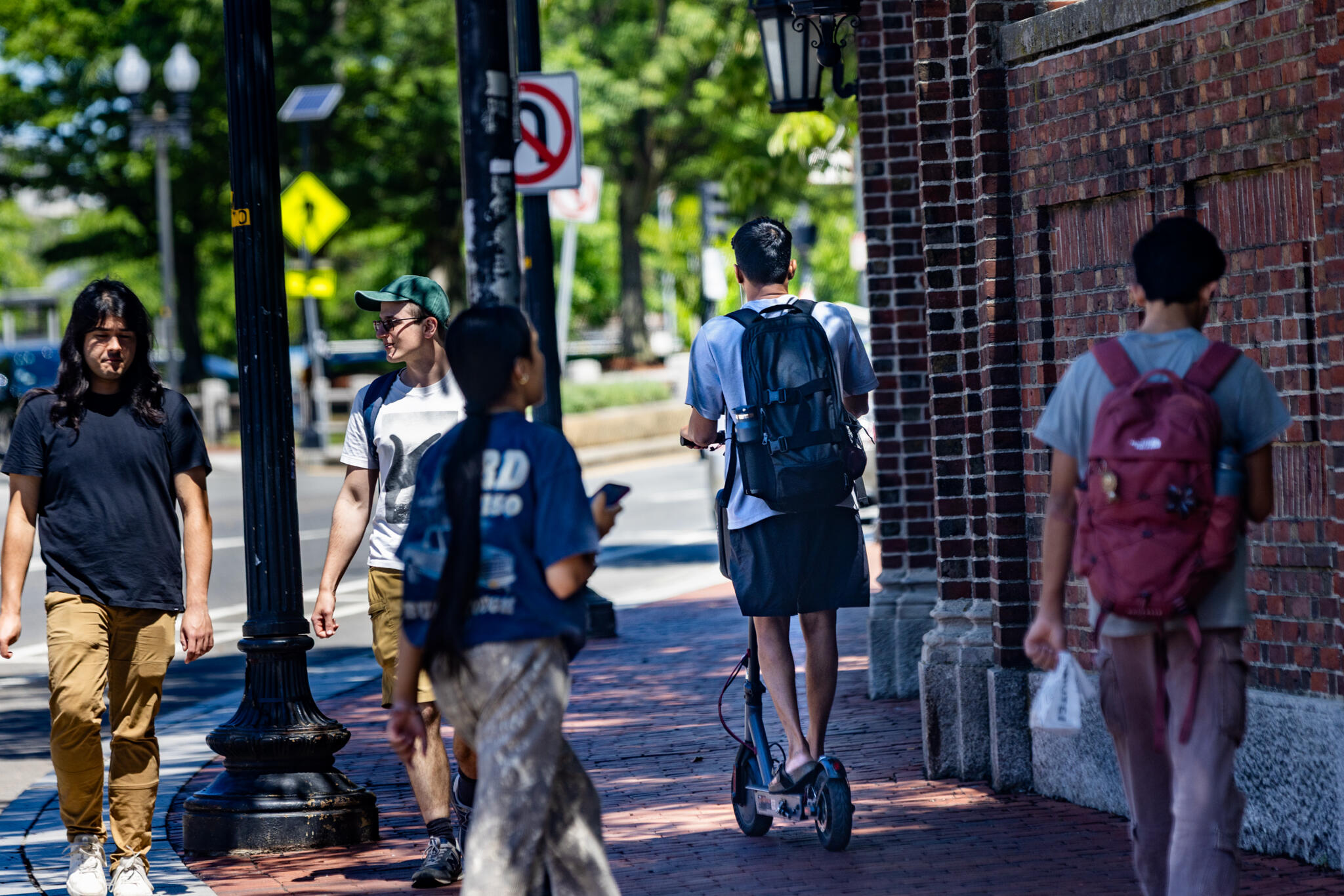

“Twenty is plenty”: E-bikes could be a game changer for urban #mobility, cause millions who drive to try #cycling for short trips … including the elderly and those with physical impairments. But for this, we must make e-bikes safe. Cycling advocates should be part of drafting these regulation, as we see in NYC. https://www.nytimes.com/2026/08/04/nyregion/ebike-electric-scooter-regulations-nyc.html
Criminals hate normal, too: As #publicsafety stats come in, it’s clear we’re enjoying a historic decline in crime. Why? That’s “about as clear as a glass of milk.” More cops? Works. More violence interruptors? Works. Programs for teenagers? Works. The answer may be … normal is an antidote for crime. https://stateline.org/2026/08/18/violent-crime-in-us-fell-at-record-pace-in-2025/
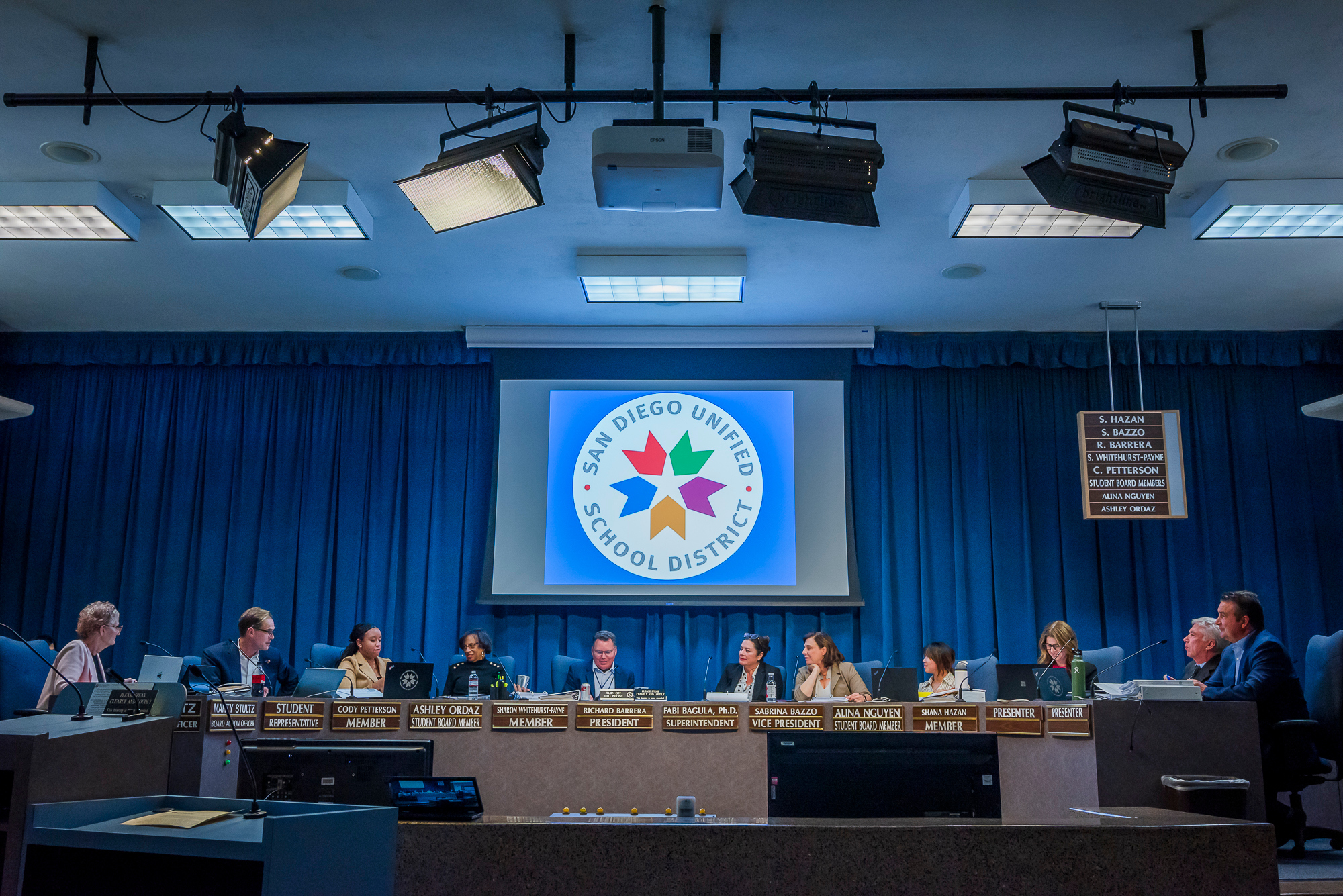
Everyone wants more engaged citizens; they make neighborhoods, cities … and schools … work better. But citizen engagement is like gardening. You have to tend it day-in and day-out to see its benefits. What happens if you don’t? You get a once-hopeful, now failed effort, like the “cluster councils” of the S.D. school district. https://voiceofsandiego.org/2026/05/06/san-diego-unified-created-a-system-to-empower-parents-its-unraveled/ #volunteerism
For many Americans, an introduction to #walkable cities comes with a trip to Europe. But there are cities in the U.S. where walking and transit are all you need. NYC, of course. Also S.F. and Boston. But where else? An article lists some smaller walkable cities: Portland MA, Key West FL and Savannah GA. https://www.washingtonpost.com/travel/2026/04/08/best-walkable-american-cities/
The Beltline is a pedestrian and #cycling trail around downtown Atlanta that set off waves of investment on the city’s east side. Will it have a similar effect on the city’s west and south sides? An early sign may be what happens to a 20-acre site called Murphy Crossing, where old warehouses are imagined as a huge mixed-use development. https://www.ajc.com/business/2026/03/whats-happening-with-murphy-crossing-the-beltline-still-has-big-plans/
Book of the Week: “Age of the City: Why Our Future Will Be Won or Lost Together” asks why we should have faith that our greatest problems (think climate change) can be solved AND will be led by cities and their leaders. Answer: Because cities have always been the places great social solutions are found. And why is that? Because they have two essential elements: collaboration and scale. https://www.atlantaurbanist.com/book/age-of-the-city/
A day on the “Mighty Midway”: It’s hard for people elsewhere to appreciate, but state fairs are beloved in the Midwest. Take the MN State Fair, held just outside St Paul. It’s so big, you need a plan for enjoying it. Here’s a plan: Take a bus there. Bring a little cash. And don’t forget the hand sanitizer. https://www.mprnews.org/story/2026/08/20/minnesota-state-fair-2026-guide-what-to-know-before-you-go
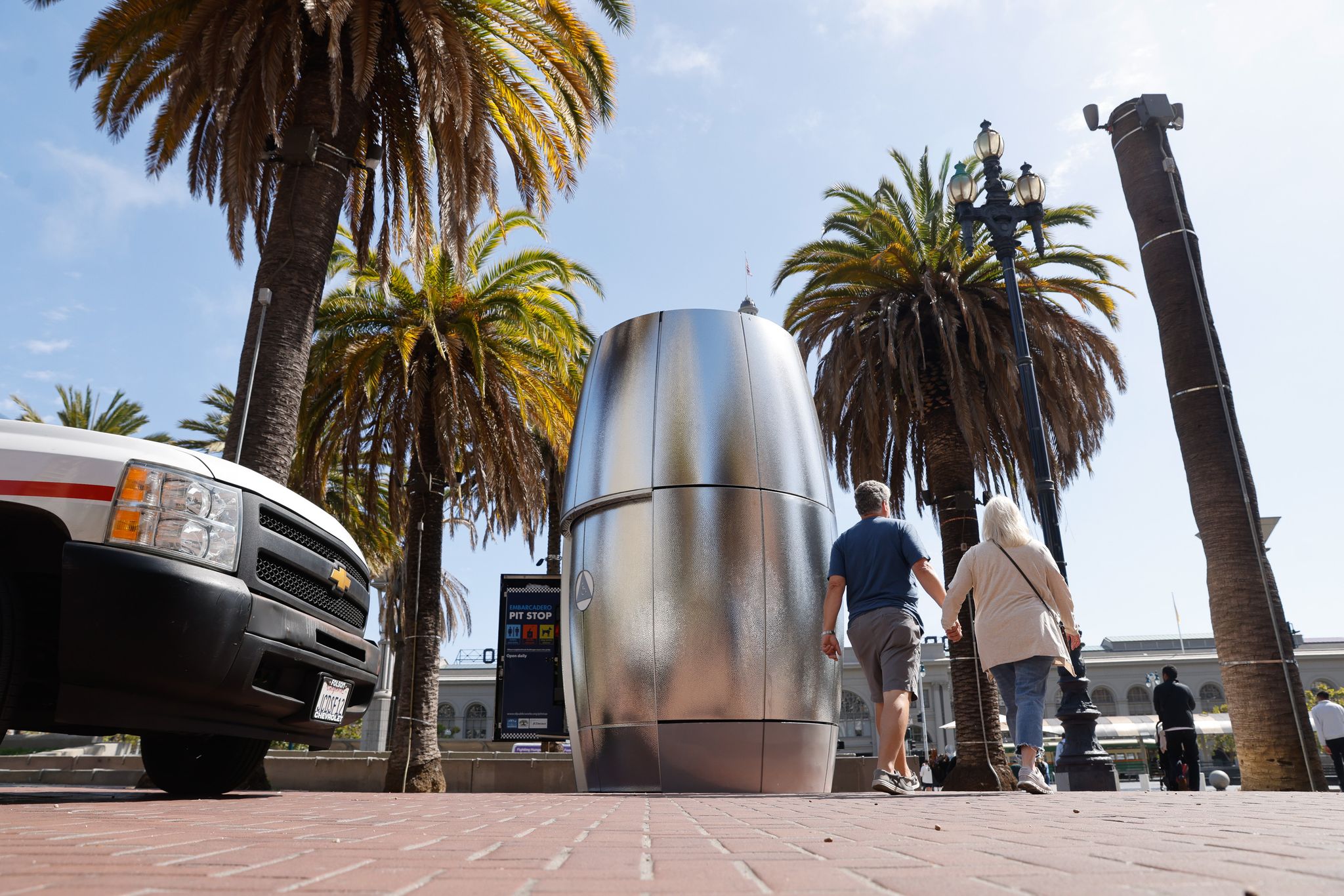
S.F. is trying to solve one of our most embarrassing urban problems, the absence of public toilets. Result: one disappointment after another. Latest is “the Blade Runner of public toilets,” a silver object that’s 13 feet tall and run by computer. Even more than those before it, Blade Runner is prone to breakdowns. https://www.sfchronicle.com/sf/article/toilet-bathroom-san-francisco-22380080.php
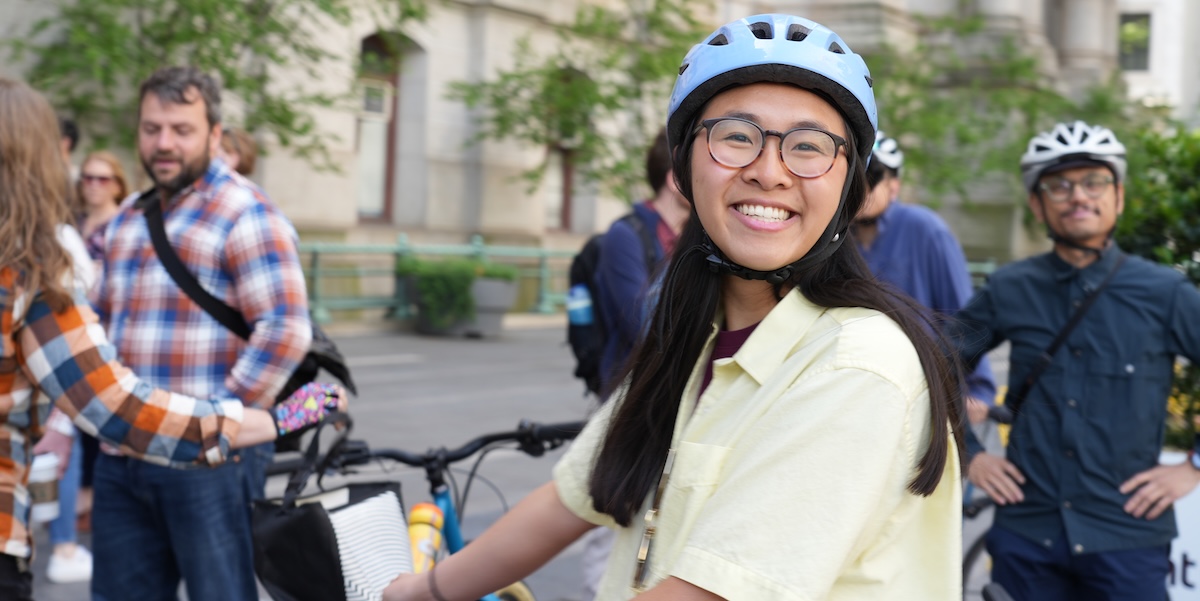
Cities would be better if more people biked than drove to work. So why don’t they? It doesn’t feel safe. This is why we need protected bike lanes … so more will be encouraged to do something that helps us all. There’s another way to encourage hesitant riders: a “bike train” like the one in Philly. https://thephiladelphiacitizen.org/philly-bike-train/

When a freshman urban legislator was assigned to a state senate agriculture committee, he thought it was “a hazing ritual.” “Looking back,” he writes, “I couldn’t have been more mistaken.” He found many connections between farms and cities. If we’re to have less polarized state politics, THIS is how we’ll get it. https://www.ajc.com/opinion/2026/08/opinion-georgia-agriculture-connected-me-to-my-roots-fellow-state-senators/
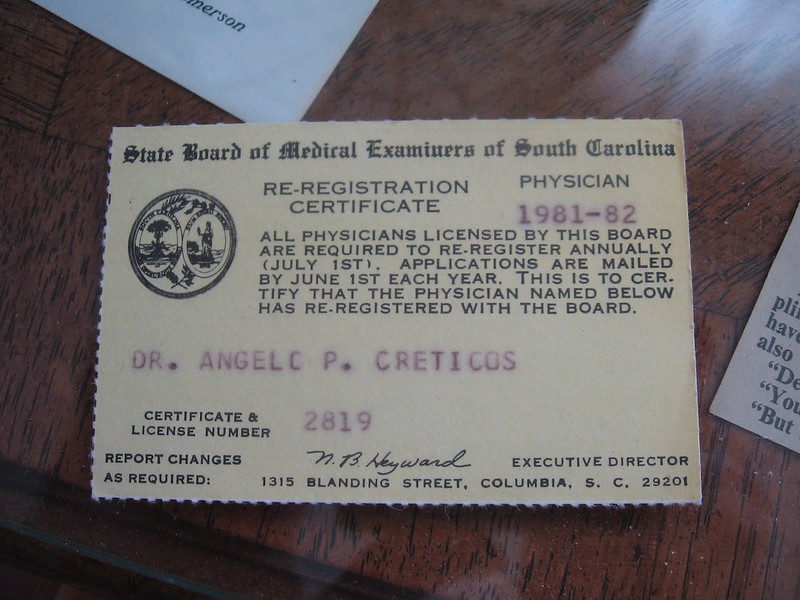
Why do states license doctors, lawyers, accountants and scores of other professionals? It's a story of supply and demand, rising expertise, concern for health and safety, a war against quackery ... and something called "asymmetric knowledge." http://www.fromthegovt.com/professional-licenses/ #stategov

Why canopies don’t kiss: We need density and mixed uses in cities. It’s how we’ll get livelier neighborhoods and more low-car families. But do these things work against impressive tree canopies? Specifically, does increasing density mean we can’t have big trees that shade an entire street? https://www.minnpost.com/cityscape/2026/08/a-kissing-canopy-is-getting-harder-to-find-on-twin-cities-streets-trees/


Is your neighborhood getting better or worse … or a bit of both? And how can you know? A research center creates a methodology for measuring neighborhood change across six categories (demographics, housing, education, etc.), suggests ways of collecting the data and tells you how to make sense of it all. https://urbanresearch.iac.gatech.edu/sites/default/files/2026-08/Measurement_Framework.pdf
Oakland CA installed speed cameras at 18 intersections. Collectively, they’ve issued 200,000 citations and 120,000 warnings since March. Result: Speeding is way down. But incredibility, nearly 100 individual motorists have amassed 50 or more citations in those six months. It’s time to yank some licenses. https://www.sfchronicle.com/eastbay/article/oakland-speed-camera-data-22393766.php #publicsafety
You probably think of solar power as panels on roofs. But solar power is now cheaper to build and generate than any other form of energy … and growing cheaper by the month. Big businesses have noticed. This explains three planned solar farms that will spread across 7,600 acres of depressed GA farmland. https://www.ajc.com/business/2026/08/thousands-more-acres-of-new-solar-projects-are-heading-to-south-georgia/
Rules for Reformers: Why you must talk about “what” before talking about “how.” http://otiswhite.com/what-before-how/ #civiclead Third of eight lesson
Extremists hate normal: We will look back on Covid as an experiment in the effects of large-scale disruption on society. We know about the rise in crime, gov’t deficits and inflation. But Covid also fueled fringe local groups that, as communities return to normal, are thankfully fading. https://www.governing.com/politics/schoolhouse-politics-and-the-u-s-senate #BOEs
Mpls won acclaim in 2018 for ending single-family zoning and allowing builders to put duplexes or triplexes anywhere in the city. Result: Almost none were built. Now Mayor Frey wants to allow fourplexes as a way to spur more multifamily #housing. Gee, wouldn’t it be nice if just passing a low could accomplish such things? https://www.minnpost.com/metro/2026/08/frey-revives-freyplexes-in-quest-for-more-affordable-housing-in-minneapolis/

Is it “useful, safe, comfortable, and interesting”? Mais, non! Sometimes Americans are too hard on ourselves. Sometimes we’re not hard enough because we accept the status quo. In those cases, we need an outsider’s perspective. Say, a young woman from France telling us what it’s like to walk in S.D. https://voiceofsandiego.org/2026/08/14/in-san-diego-you-cant-really-trust-sidewalks/ #walkable
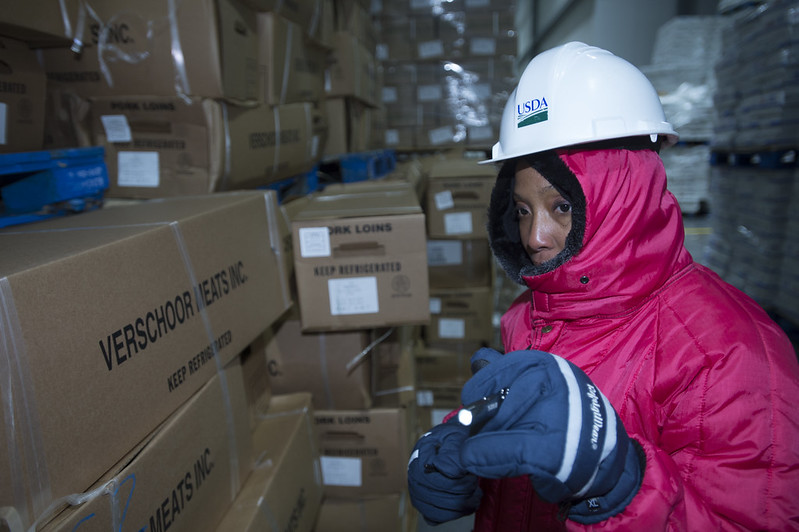
It took decades of struggle to enact food and drug regulation in America. What do we have to show for it? The human lifespan doubled in the past century, and some of the credit should go to gov’t for ensuring food is safe to eat and drugs are safe to take. http://www.fromthegovt.com/food-and-drug-safety/
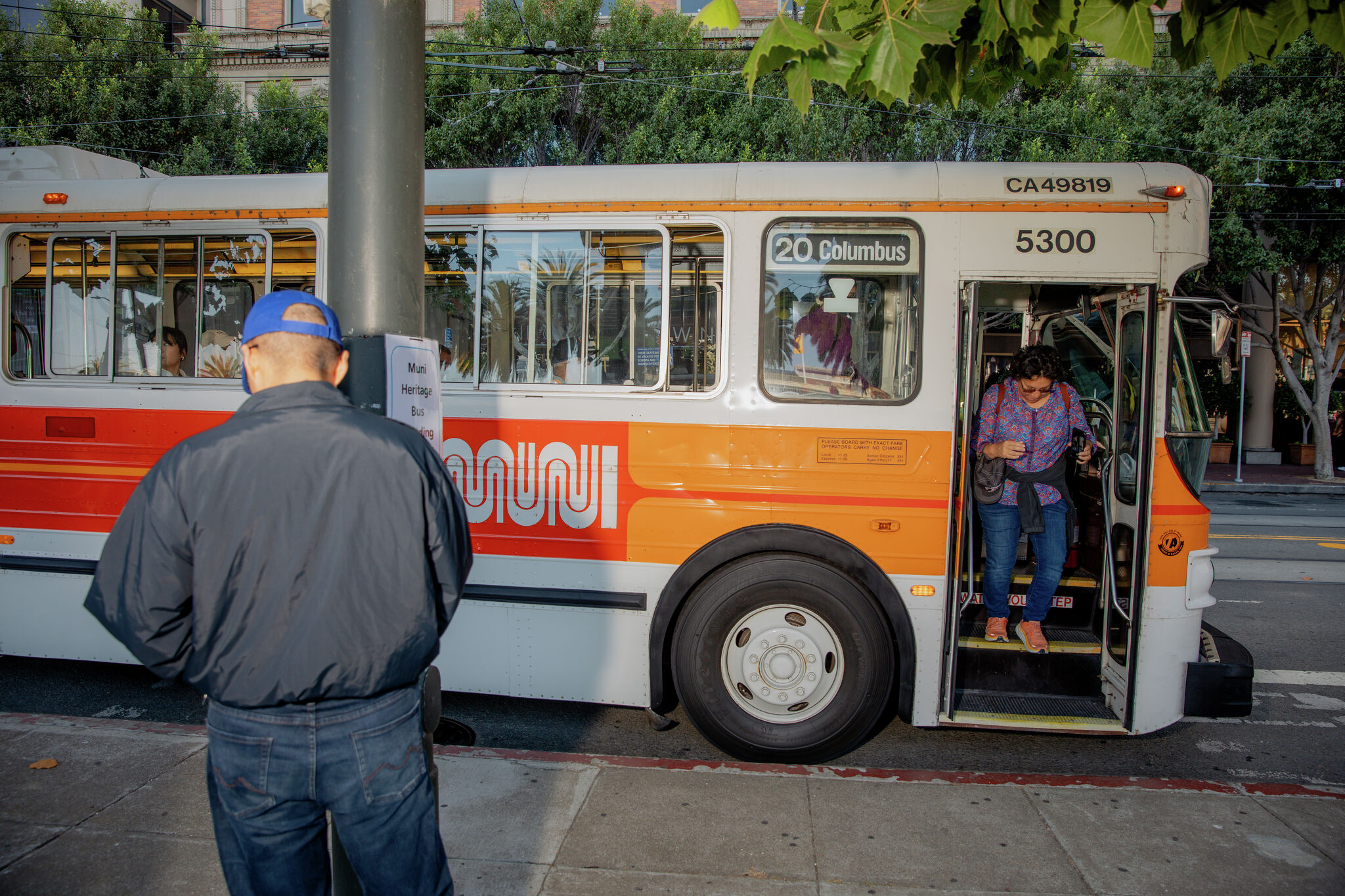
Cities are funny places. Things that were once ridiculed can, in time, become beloved. Example: the logo for S.F.’s workaday transit system, Muni. Introduced in 1974, the logo was called “the worm” for its pop-art look. Now, it’s so identified with Muni and the city, you can buy “worm” beanies and soccer jerseys. https://www.sfchronicle.com/totalsf/article/walter-landor-muni-logo-san-francisco-22393101.php