J. Nathan Matias 🦣
mastodon 4.5.18Social & computer scientist who works alongside communities on science for a safer, fairer, more understanding Internet.
Founder, Citizens and Technology Lab · Prof at Cornell · Guatemalan-American · Co-founder of @transparenttech
Enjoys taking photos & listening to books/poetry on very long bike rides.
Sometimes words just aren't enough to describe the grace of living in a world of such beauty.
My teenage self would have been thrilled to know it would be possible to have days like today:
- Discussing the role of scientific evidence in civil liberties cases with Gautam Hans
- Catching up on planetary gear repair with @elplatt@greatjustice.net
- Testing the commuter bicycle I recently refurbished / set up
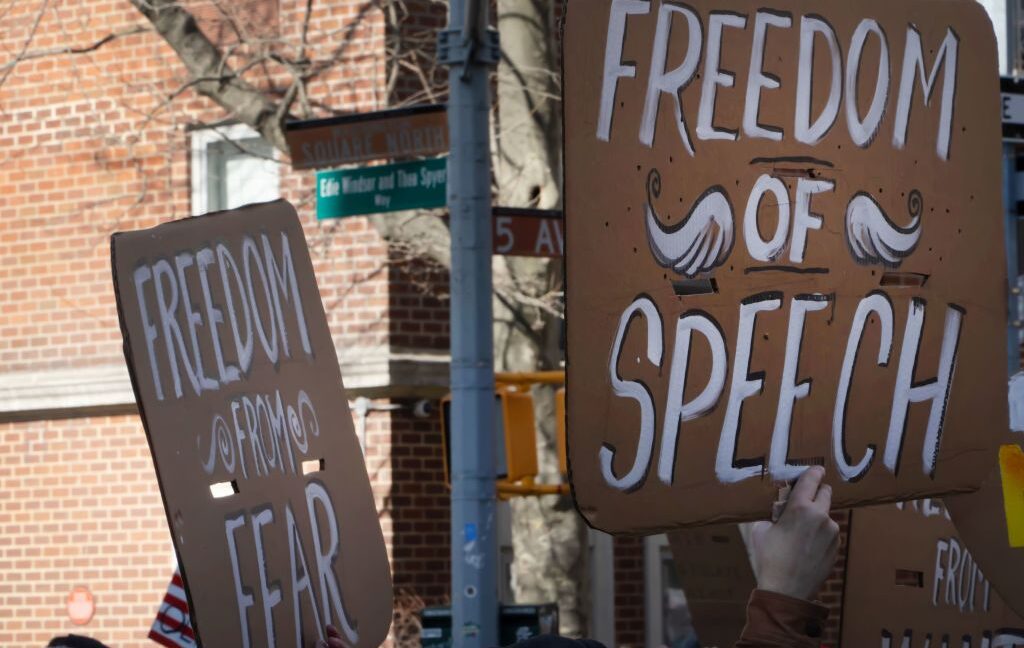
Clarifying article by human rights expert Mathias Risse: "Protocol I to the Geneva Conventions prohibits "acts or threats of violence whose primary purpose is to terrorize civilians.""
"To name an act... is to make a moral claim on the conscience of the world"
RE: https://mstdn.social/@amydiehl/117000442649447242
Looking for something witty or insightful to add, but all I have is a weary sigh and a commitment to keep working as long as it takes
RE: https://mstdn.social/@globalvoices/116984510417639646
States are actively weaponizing their borders to track and silence activists.
In the past, state repression was largely contained within a country’s own frontiers. Today, autocrats are cooperating across borders, using digital surveillance, shared intelligence, and coordinated expulsions to reach dissenters even after they flee into exile.
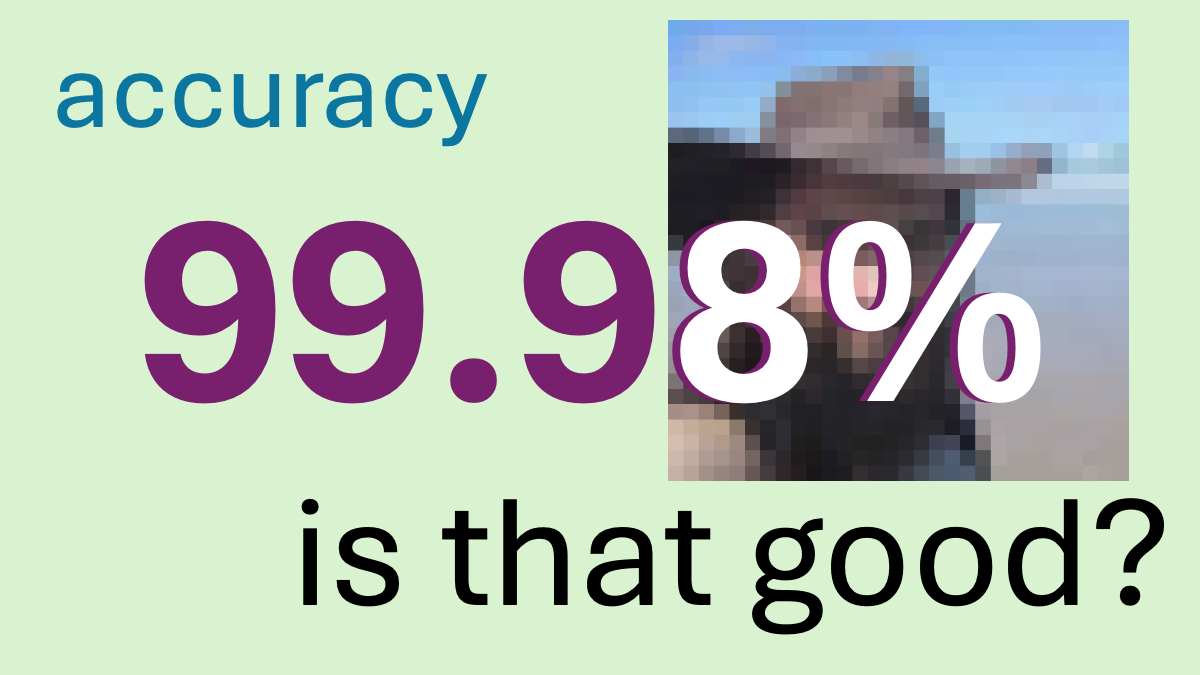
How can AI systems have high accuracy rates and still get things wrong *all the time* ?
Alan Dix uses arithmetic to explain how a 99.98% accurate shoplifting detection system could wrongly ban 3 customers from the grocery store for every alleged thief it detects.
https://alandix.com/blog/2026/05/04/facial-recognition-what-does-accuracy-mean/
"to repair is not to fix something but
many things at once: devices, systems, and infrastructures, but also people, relations,
communities, even entire social orders"
Beautiful opening paragraph to an article about moral orders of technology repair in Kampala Uganda by Mwesigwa & Jackson
@inquiline TheMarkup promised not to track its readers with third party trackers:
And here is how it tracked impact instead:
https://themarkup.org/levelup/2022/12/01/how-the-markup-tracks-impact-and-how-your-newsroom-can-too
RE: https://social.coop/@SociocracyForAll/117004239680232919
"Sociocracy is a governance system, just like democracy or corporate governance methods. It’s best suited for organizations that want to self-govern based on the values of equality."
Attacks on trust & safety workers just doing their jobs are particularly concerning since Marco Rubio threatened his department “stands ready and willing to expand” the list of targeted researchers, Boasberg said. That’s why Boasberg paused the policy’s enforcement
I dare Christian leaders to follow the example of Jesus and consider spending at least equivalent time with people who have been harmed by AI as they spend with the people making these technologies.
https://www.washingtonpost.com/technology/2026/04/11/anthropic-christians-claude-morals/
"Why live in a sinking city? Why own a home in a climate-impacted region? (What region isn’t at this point?) I work in environmental and scientific spaces. I am a person who values data, fact, information. I know the reality of what environmental pollution does to the sustainability of places... I also know that having all this knowledge and information doesn’t equip you to face a departure from home."
Extraordinary article in Southern Culture by Shannon Dosemagen, who is a visiting research collaborator at CAT Lab.
Today CAT Lab tested "confidence" ratings for results we share with community partners based on how much we think our findings generalize. Many thanks to @sarahgilbert@hci.social
& @pavunath.bsky.social
for this innovation!
🟢 High Confidence
🟡 Moderate Confidence
🔴 Descriptive - not necessarily representative
Revisiting Francis Bacon's argument about empiricism that the true end of knowledge is power- and that power is evidence of knowledge.
When AI researchers set aside understanding & explainability for things that "just work," they are living in Bacon's world whether they know it or not.
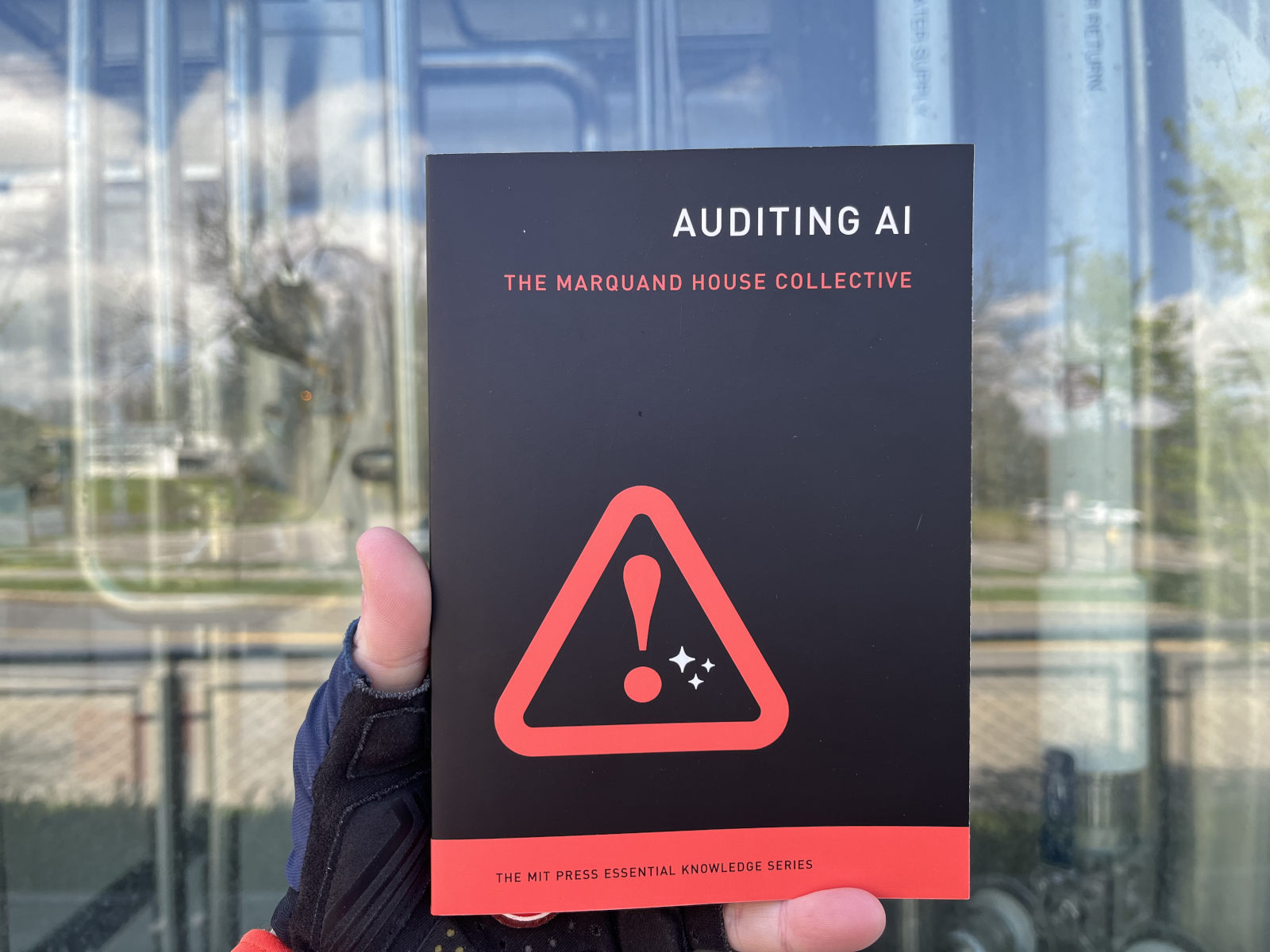
To help leaders know how to think about AI evaluation, the chapters in the book use stories to explain the core questions any leader needs to know:
- What is AI Auditing?
- What kind of work is involved in an AI evaluation?
- How can leaders make sense of audit results?
- What actions does an evaluation make possible?
Hauntingly beautiful and insightful essay about a fundamental question for knowledge institutions:
Is knowledge an endeavor of stackable, verifiable abstractions?
Or is it a creative conversation, set of relationships and human capacities?
I think we're increasingly going to be forced to choose.
https://davidbessis.substack.com/p/the-fall-of-the-theorem-economy
His dissertation presented:
-
in-depth fieldwork with the vendor ecosystem for trust and safety
-
analysis of the way that some companies use national security framings to sell disinformation services
-
and a powerful analysis of the effect of bounty hunting copyright bots on expression online